

Indonesia's Ambitious Free Meal Program Faces Food Safety Scandals and Management Woes
Translated from Vietnamese, summarized and contextualized by DistantNews.
At a glance
News
Official statement
Context piece
- Indonesia's "Free Nutrition Meals" program, a key promise of President Prabowo Subianto, faces significant challenges and controversy.
- Launched in January 2025, the program aims to combat child malnutrition by providing free meals to millions, but has been marred by food poisoning incidents and questions about nutritional quality.
- The program's massive scale and rapid expansion have created logistical hurdles and exposed weaknesses in its management, raising concerns about its effectiveness and potential for corruption.
Indonesia's ambitious "Free Nutrition Meals" (MBG) program, a cornerstone of President Prabowo Subianto's administration, is facing intense scrutiny and controversy just months after its January 2025 launch. The program, intended to fulfill a major campaign promise and combat widespread child malnutrition, has been plagued by issues of food safety and nutritional quality, casting a shadow over its significant budget.
The MBG program aims to provide free meals to approximately 83 million people, including students, young children, and pregnant or breastfeeding mothers. Its objective is to improve the health and development of the younger generation, contributing to the administration's vision of a "Golden Indonesia 2045." The government has allocated substantial resources, with the 2025 budget alone reaching $10.3 billion, projected to increase to $20 billion in 2026. This represents a significant portion of the national budget.
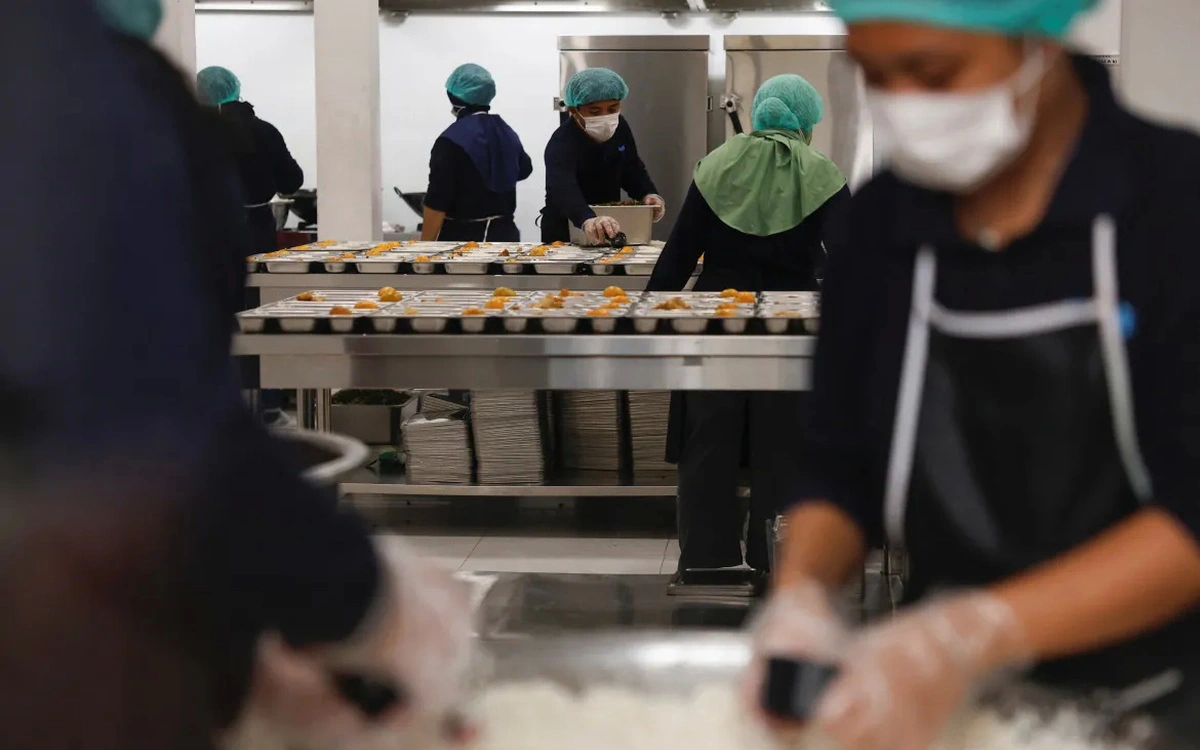
However, the sheer scale of the program presents immense logistical challenges. Establishing tens of thousands of kitchens and a nationwide food supply network to ensure the quality of millions of daily meals is a monumental task. The rapid expansion has already led to numerous food poisoning incidents, with reports indicating over 11,000 cases and more than 600 hospitalizations linked to the program by mid-2025.
Beyond safety concerns, the nutritional value of the meals has also come under fire. Some experts argue that many menus rely heavily on processed foods, undermining the program's core goal of improving children's health. These issues raise serious questions about the program's effectiveness and the efficient use of billions of dollars. Anti-corruption organizations and analysts are pointing to management issues and potential corruption within the program's vast network, with reports of thousands of "ghost kitchens" operating without proper oversight.
Theo Hãng tin Reuters, trước Quốc hội Indonesia năm 2025, chính ông Dadan thừa nhận có ít nhất 11.000 trường hợp ngộ độc thực phẩm liên quan đến chương trình, trong đó hơn 600 người phải nhập viện điều trị.
DistantNews Editorial
Originally published by Tuổi Trẻ in Vietnamese. Translated, summarized, and contextualized by our editorial team with added local perspective. Read our editorial standards.
More Stories
From Our Blog

What Gets Lost (and Found) When News Is Translated

The Critical Role of Diaspora Media in Global News

What Travellers Should Know About Countries with Restricted Press

A Digital Nomad's Guide to Following Local News

How the Same Story Looks Different in Different Countries
