


Indonesia to Reform, Not Close, Waste Disposal Sites
Translated from Indonesian, summarized and contextualized by DistantNews.
At a glance
News
Named sources
New plan
- Indonesia's Minister of Environment and Forestry, Jumhur Hidayat, stated that no final disposal sites (TPA) will be closed nationwide.
- The focus is on stopping "open dumping" practices, which involve indiscriminate waste collection and disposal.
- Waste sent to TPAs will be pre-sorted, with only residual waste permitted for disposal.
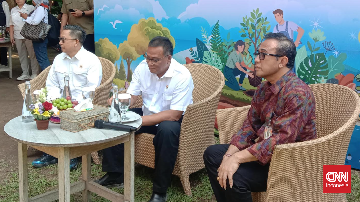
Indonesia will not close any final disposal sites (TPA) across the country, according to Minister of Environment and Forestry Jumhur Hidayat. Instead, the government's focus is on eliminating "open dumping" practices, which involve the unmanaged collection and disposal of waste.
No, the closure of TPAs across Indonesia that are happening is stopping the open dumping activities. Open dumping means collecting, transporting, and dumping haphazardly, like in the old days. That is no longer allowed.
"No, the closure of TPAs across Indonesia that are happening is stopping the open dumping activities," Hidayat explained during an event in Denpasar, Bali. "Open dumping means collecting, transporting, and dumping haphazardly, like in the old days. That is no longer allowed."
The minister clarified that waste arriving at TPAs will be pre-sorted at the source into organic and inorganic materials. Only residual waste, which constitutes about 23-24% of the total, will be permitted for disposal. He emphasized that this is not a closure of the sites but a reform of waste management practices.
From the beginning, there was no word 'closed'. From the beginning, it was only the open dumping like in the old days, haphazardly. There will be no more bad smells, just a little, then it's disposed of and tidied up.
Hidayat addressed concerns, particularly regarding the Suwung TPA in Bali, stating that the issue is a misperception. He explained that the sites will be managed more effectively, potentially using techniques like geomembranes and daily soil cover to mitigate odors and environmental impact. The goal is to transform these sites into more controlled and potentially recreational areas rather than simply closing them.
Actually, it's been like this from the start. It's just a misperception, a misunderstanding. So people think it's closed, but it's not.
DistantNews Editorial
Originally published by CNN Indonesia in Indonesian. Translated, summarized, and contextualized by our editorial team with added local perspective. Read our editorial standards.
More Stories


From Our Blog

What Gets Lost (and Found) When News Is Translated

The Critical Role of Diaspora Media in Global News

What Travellers Should Know About Countries with Restricted Press

A Digital Nomad's Guide to Following Local News

How the Same Story Looks Different in Different Countries
