

Indonesia wants more sway over commodity prices. Here’s how its new exchange could win over markets
Translated from English and summarized by DistantNews. Read the original for the full story.
At a glance
Analysis
Named sources
New plan
- Indonesia plans to launch the Indonesian Commodity Exchange, or Icomex, on Jan. 1 to gain greater influence over prices for nickel products, palm oil and coal.
- Experts say the exchange must establish a credible benchmark and persuade producers and traders to use it.
- Industry groups have reacted cautiously, citing concerns over data integrity, governance and the preference of some members for direct sales.
Indonesia’s planned commodity exchange will succeed only if producers and traders trust it enough to use it, experts say. The exchange, known as Icomex, is scheduled to launch on Jan. 1.
President Prabowo Subianto announced the plan during his 2027 budget speech to parliament on Aug. 14. He told lawmakers that Indonesia produces some of the world’s most important commodities, but prices for those exports are often set overseas. Lawmakers responded with a loud rejection when he asked whether the country should continue in that position.
For decades, Indonesia has become one of the largest producers of some of the world’s most essential commodities.
The proposed marketplace aims to give Indonesia more influence over prices for nickel products, palm oil and coal. Indonesia has the world’s largest nickel reserves and is the largest exporter of thermal coal and palm oil.
The response from industry has been mixed. The Indonesian Nickel Miners Association welcomed the plan while stressing the need for reliable data and clear governance. The Indonesian Palm Oil Association said most of its members currently prefer negotiating directly with buyers rather than listing on an exchange. The Indonesian Coal Miners Association said it was still watching how the plan would be implemented.
Yet all too often, the prices of our wealth, extracted from our land and through the sweat of our people, are determined overseas, in another country’s commodity exchange.
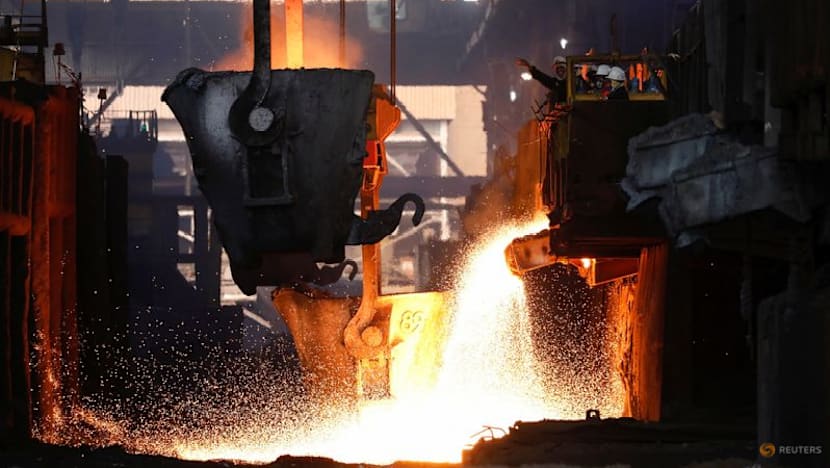
The exchange is being proposed as nickel prices face pressure. The average price fell from US$21,474 per metric tonne in 2023 to US$15,349 in 2025. The government cut its 2025 production target from 379 million tonnes to about 250 million tonnes this year, seeking temporary scarcity. Prices rose to a two-year high of US$19,350 per tonne in April before easing to about US$17,000 in August.
Jakarta also wants the exchange to help curb unlawful trading practices that it says reduce state revenue. These include transfer pricing, in which goods are sold cheaply to an overseas sister company, and under-invoicing, where companies declare lower transaction values to reduce taxes and customs fees.
I ask the people’s representatives, do we want to continue in this situation?
About this summary
Originally published by CNA in English. Translated, summarized, and contextualized automatically by DistantNews, with a note on how the source frames the story. Not individually reviewed before publishing. How this works.
More Stories


From Our Blog

What Gets Lost (and Found) When News Is Translated

The Critical Role of Diaspora Media in Global News

What Travellers Should Know About Countries with Restricted Press

A Digital Nomad's Guide to Following Local News

How the Same Story Looks Different in Different Countries
