


Indonesian Air Force Bolsters Firefighting Operations in West Kalimantan with Weather Modification Aircraft
Translated from Indonesian, summarized and contextualized by DistantNews.
At a glance
News
Sources not specified
Ongoing story
- The Indonesian Air Force deployed a CASA A-2117 aircraft to bolster weather modification operations in West Kalimantan.
- This deployment aims to combat the increasing risk of forest and land fires as the dry season peaks.
- West Kalimantan is a priority province for fire management, with significant land area already burned this year.
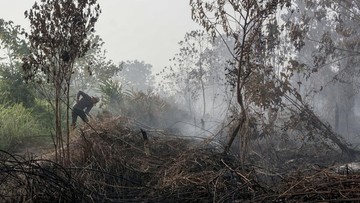
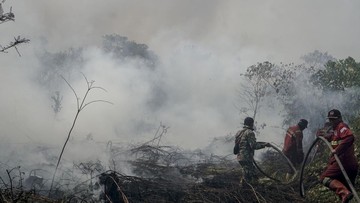
The Indonesian Air Force has deployed a CASA A-2117 aircraft from Squadron 4 to strengthen weather modification operations in West Kalimantan. This move comes as the risk of forest and land fires (karhutla) in the region escalates with the peak of the dry season.
The aircraft was brought in from Abdulrachman Saleh Airbase in Malang, East Java, and will support air operations from West Kalimantan. Commander of Supadio Airbase, Marshal TNI Sidik Setiyono, stated that the deployment of the CASA aircraft is a strategic step to enhance air support for controlling potential fires. "The deployment of this asset is a strategic step by the TNI AU to strengthen air operation support in controlling potential forest and land fires in West Kalimantan," Sidik said.
West Kalimantan is one of the provinces receiving special attention in national fire management efforts. The National Disaster Management Agency (BNPB) has identified it, along with Riau, South Sumatra, Jambi, Central Kalimantan, and South Kalimantan, as six priority provinces for handling forest fires in 2026. As of August 9, 2026, approximately 48,889 hectares have burned across these priority provinces, with West Kalimantan recording the largest area at about 28,680 hectares.
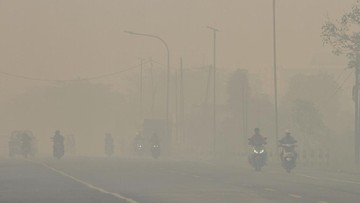
Authorities are increasing vigilance as fire risks are expected to remain high through August and September 2026. Dry weather conditions facilitate the ignition and spread of fires, particularly in peatland areas. The Meteorology, Climatology, and Geophysics Agency (BMKG) has also noted an increase in hot spots in several vulnerable regions. The El Niño phenomenon is exacerbating the dry season, with very strong El Niño conditions observed in the Nino 3.4 region.
Weather modification operations, including seeding clouds with rain-making materials, are a key instrument to prevent fires from spreading. These operations are conducted not only when fires have already ignited but also to create environmental conditions more conducive to fire control. The success of these operations depends on the availability of suitable clouds and precise atmospheric analysis to ensure effective seeding at the right time and location.
DistantNews Editorial
Originally published by Republika in Indonesian. Translated, summarized, and contextualized by our editorial team with added local perspective. Read our editorial standards.
More Stories
From Our Blog

What Gets Lost (and Found) When News Is Translated

The Critical Role of Diaspora Media in Global News

What Travellers Should Know About Countries with Restricted Press

A Digital Nomad's Guide to Following Local News

How the Same Story Looks Different in Different Countries
