


Indonesian Islamic Congress Secures Candidate Nominations in Locked, Guarded Boxes
Translated from Indonesian and summarized by DistantNews. Read the original for the full story.
At a glance
News
Sources not specified
New plan
- The 35th Nahdlatul Ulama Congress committee is securing candidate nominations for the Ahlul Halli wal Aqdi (Ahwa) council in locked glass boxes.
- The Ahwa council, composed of nine senior clerics, will deliberate and select the supreme leader of PBNU.
- Security measures include CCTV surveillance and 24-hour guarding by pesantren security personnel to ensure transparency and prevent tampering.
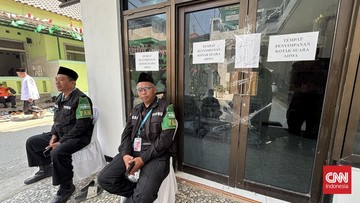
Security is paramount for the nomination boxes of the Ahlul Halli wal Aqdi (Ahwa) council at the 35th Nahdlatul Ulama (NU) Congress. These glass-encased boxes, holding proposed names for the nine senior clerics who will select the PBNU's supreme leader, are kept in a guarded room at the Bahrul Ulum Tambakberas Islamic boarding school in Jombang.
The committee has implemented stringent measures, including CCTV monitoring and round-the-clock guarding by 15 members of the Pondok Pesantren Bahrul Ulum security unit. This ensures the integrity of the nomination process, which has seen proposals submitted by regional NU branches since the start of participant registration.
Mohammad Nuh, Rais Syuriah PBNU and Secretary of the Steering Committee, explained that the boxes are designed without keys to prevent any suspicion of tampering. Accessing the contents requires breaking the boxes entirely. The transparent nature of the room, located in front of the residence of KH Abdul Rozaq Sholeh, allows public visibility, further reinforcing transparency and security.
The Ahwa council holds significant authority in choosing the Rais Aam, the highest position within PBNU. The meticulous security surrounding the nomination process underscores the importance of this selection, aiming to maintain public trust and ensure a fair deliberation among the chosen religious leaders.
About this summary
Originally published by CNN Indonesia in Indonesian. Translated, summarized, and contextualized automatically by DistantNews, with a note on how the source frames the story. Not individually reviewed before publishing. How this works.
More Stories


From Our Blog

What Gets Lost (and Found) When News Is Translated

The Critical Role of Diaspora Media in Global News

What Travellers Should Know About Countries with Restricted Press

A Digital Nomad's Guide to Following Local News

How the Same Story Looks Different in Different Countries
