


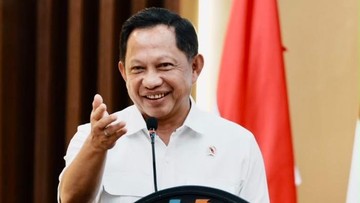
Indonesian minister urges use of statistics to tackle housing backlog
Translated from Indonesian, summarized and contextualized by DistantNews.
At a glance
News
Sources not specified
New plan
- Indonesia's Interior Minister urges local governments to use statistics from the Central Statistics Agency (BPS) to address the housing backlog.
- The housing backlog, defined as the gap between housing needs and availability, includes both lack of ownership and inadequate living conditions.
- The Minister noted a positive trend in reducing the backlog, attributing it to ongoing housing programs and increased regional budget contributions.
Indonesian Interior Minister Muhammad Tito Karnavian is pushing for greater use of housing statistics from the Central Statistics Agency (BPS) to tackle the nation's housing deficit. He emphasized that this data is crucial for developing effective policies and allocating budgets to reduce the housing backlog.
The housing backlog, a significant issue in Indonesia, encompasses two main problems: the number of families without their own homes and the number of families living in inadequate housing. The BPS statistics provide vital insights into the current housing conditions, enabling authorities to monitor progress and implement targeted solutions.
I am honestly pleased because there are quite good figures, which are quantitatively measured. The backlog of people who do not have homes has decreased compared to before.
Minister Karnavian expressed satisfaction with recent figures showing an improvement in the backlog situation. He highlighted that both the number of people without homes and those in substandard housing have decreased, indicating the success of current housing programs. The President, he noted, pays close attention to housing issues affecting low-income communities, with the Interior Ministry supporting the Housing Ministry's "three million houses" program. This support includes facilitating tax exemptions on land and building acquisition for low-income residents and expanding the definition of eligible beneficiaries.
Furthermore, the Minister pointed to an increase in regional budget allocations for housing, crediting the Housing Minister's active engagement with regional heads. He also endorsed the Housing Ministry's efforts to involve the private sector in building an ecosystem for housing development, recognizing the significant role the private sector can play.
We hope this can support this housing program. And we saw earlier from the regional budget, the contribution has also increased in the housing sector.
DistantNews Editorial
Originally published by CNN Indonesia in Indonesian. Translated, summarized, and contextualized by our editorial team with added local perspective. Read our editorial standards.
More Stories


From Our Blog

What Gets Lost (and Found) When News Is Translated

The Critical Role of Diaspora Media in Global News

What Travellers Should Know About Countries with Restricted Press

A Digital Nomad's Guide to Following Local News

How the Same Story Looks Different in Different Countries
