


Indonesian Politician Questions President's Protocol in Sending MPR Speaker to Iran
Translated from Indonesian, summarized and contextualized by DistantNews.
At a glance
News
Named sources
Context piece
- A politician from Indonesia's PDI Perjuangan party criticized the use of the term "assigned" when President Prabowo Subianto reportedly sent the Speaker of the People's Consultative Assembly (MPR) to Iran.
- The politician argued that the relationship between the President and MPR leadership is consultative, not based on assignment, as they are both high state institutions.
- He stated he had not yet received official information about the President assigning the MPR Speaker to attend an event in Iran.
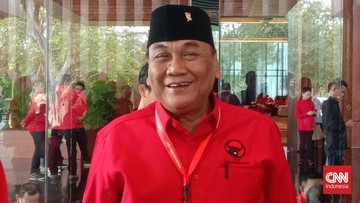
Bambang Wuryanto, also known as Bambang Pacul, a deputy speaker of Indonesia's People's Consultative Assembly (MPR) and a politician from the PDI Perjuangan party, has voiced criticism regarding the reported dispatch of MPR Speaker Ahmad Muzani to Iran by President Prabowo Subianto.
Wuryanto questioned the terminology used, stating that the relationship between the President and the MPR leadership is consultative, not one of assignment, given that both are high state institutions. "I haven't been informed yet. But, if Mr. President assigns the Speaker of the MPR, I think the mechanism is not like that," Wuryanto told reporters in Jakarta.
I haven't been informed yet. But, if Mr. President assigns the Speaker of the MPR, I think the mechanism is not like that.
He elaborated that the interactions between the MPR and the President are based on consultation because they operate at the same level as high state institutions. "Yes, because the mechanism of the relationship between the MPR and the President is that they are both high state institutions," he explained.
Wuryanto also clarified that it is important to distinguish between an individual's capacity as a party cadre and their role as a leader of a state institution. He indicated that he had not yet received official confirmation of President Subianto assigning the MPR Speaker to attend an event in Iran.
Yes, because the mechanism of the relationship between the MPR and the President is that they are both high state institutions.
DistantNews Editorial
Originally published by Republika in Indonesian. Translated, summarized, and contextualized by our editorial team with added local perspective. Read our editorial standards.
More Stories


From Our Blog

What Gets Lost (and Found) When News Is Translated

The Critical Role of Diaspora Media in Global News

What Travellers Should Know About Countries with Restricted Press

A Digital Nomad's Guide to Following Local News

How the Same Story Looks Different in Different Countries
