


Indonesian Watchdog: Flawed Meal Program Design Fuels Corruption, Demands Overhaul
Translated from Indonesian, summarized and contextualized by DistantNews.
At a glance
News
Named sources
Context piece
- An Indonesian transparency group, MTI, criticizes the design of the government's Free Nutritious Meal program (MBG) for enabling corruption.
- MTI points to loopholes in the program's technical guidelines that allow excessive discretion and conflicts of interest, leading to inflated costs and unfair selection of service providers.
- The group argues that arresting individuals is insufficient and calls for a redesign of the policy architecture to prevent future corruption scandals.
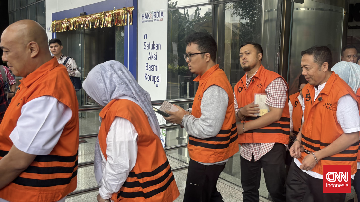
The Free Nutritious Meal (MBG) program in Indonesia is plagued by systemic corruption, according to the Masyarakat Transparansi Indonesia (MTI). While the recent arrest of former National Nutrition Agency (BGN) head Dadan Hindayana and two deputies by the Attorney General's Office is a necessary step, MTI argues it does not address the root cause: a flawed policy design.
Arresting three people will not cure a program that is sick in its design.
"Arresting three people will not cure a program that is sick in its design," stated MTI Executive Director Ahmad Jilul Q Farid. He warned that without changing the policy's architecture, new officials will face the same temptations, leading to recurring scandals. MTI highlighted how the investigation revealed corruption throughout the program's management chain, from the selection of specific foundations as Nutrition Fulfillment Service Units (SPPG) to inflated costs for items like electric motorcycles and televisions, and inflated expenses for kitchen construction.
MTI asserts that the MBG corruption is not an anomaly but a near-certain consequence of a policy design that permits excessive discretion and conflicts of interest. The group identified at least four fundamental loopholes. Firstly, technical regulations grant excessive discretion. While rules limit foundations to a maximum of 10 SPPGs per province or five if spread across provinces, an exception clause allows "foundations of agencies and organizations" unlimited SPPGs. Jilul noted the lack of clear criteria for these exceptions, objective parameters for assessing needs, or transparent testing procedures.
As long as the policy architecture is not changed, new officials inheriting the same system will face the exact same temptation. We are just waiting for the next installment of the same scandal.
"This kind of wording gives policymakers too much room to subjectively decide who gets to control the kitchens," Jilul said. Secondly, there are no individual ownership limits. Restrictions only apply to foundations as legal entities, not the individuals behind them, enabling one party to control dozens of kitchens. MTI insists that the policy's structure, not just individual misconduct, is to blame for the ongoing corruption.
This kind of wording gives policymakers too much room to subjectively decide who gets to control the kitchens.
DistantNews Editorial
Originally published by Republika in Indonesian. Translated, summarized, and contextualized by our editorial team with added local perspective. Read our editorial standards.
More Stories


From Our Blog

What Gets Lost (and Found) When News Is Translated

The Critical Role of Diaspora Media in Global News

What Travellers Should Know About Countries with Restricted Press

A Digital Nomad's Guide to Following Local News

How the Same Story Looks Different in Different Countries
