


INEC yet to receive budgeted funds for 2027 general elections – Official
Summarized and contextualized by DistantNews.
At a glance
News
Named sources
Context piece
- Nigeria's Independent National Electoral Commission (INEC) has not yet received funds for the 2027 general elections.
- INEC proposed a budget of ₦873.78 billion, with funds expected by a legal deadline of six months before the election.
- Preparations are ongoing, including plans to procure new election materials and conduct mock presidential elections to test technology.
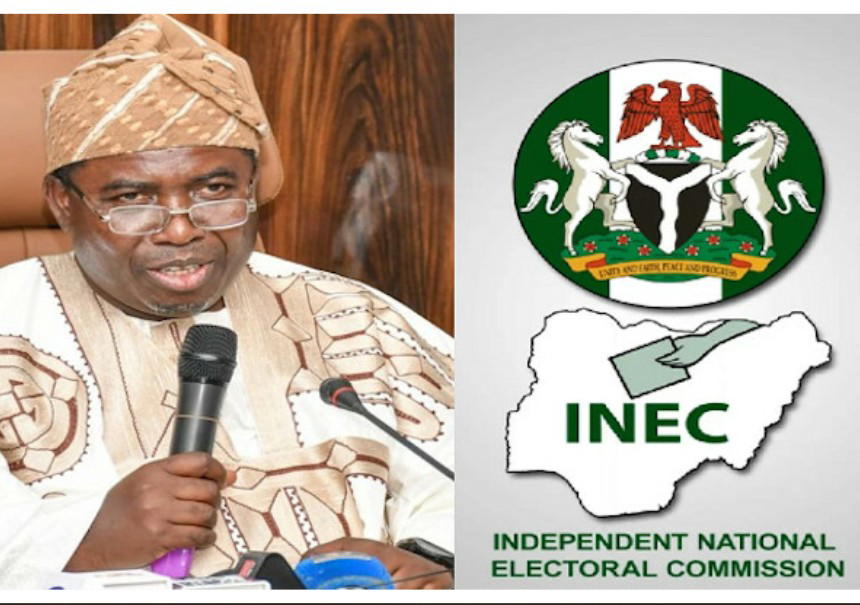
The Independent National Electoral Commission (INEC) of Nigeria has disclosed that it has yet to receive the budgeted funds necessary for conducting the 2027 general elections. Malam Mohammed Haruna, INEC National Commissioner for Voter Education and Publicity, announced this development in Abuja on Thursday.
Haruna was speaking at a forum organized by the Peering Advocacy and Advancement Centre in Africa (PAACA) in partnership with Legis360. The event, a "fireside chat" involving political parties, Civil Society Organisations (CSOs), and INEC officials, focused on the recent Ekiti governorship election and preparations for the 2027 polls.
Our Director of ICT has just returned from China regarding procurement because not all the BVAS devices used during the last general elections were recovered. Orders need to be placed, and these logistics take time.
Despite the delay in fund release, INEC stated that preparations for the 2027 elections are actively underway. The commission had initially proposed a budget of ₦873.78 billion, with significant portions allocated for election operations, technology, and capital expenditures. Haruna clarified that the current delay is within the legal timeframe stipulated by the Electoral Act 2026, which mandates fund release no later than six months before the general election.
INEC is already arranging to procure new election materials, including Bimodal Voter Accreditation System (BVAS) devices and other equipment that were damaged, lost, or not recovered from previous election cycles. The commission also plans to conduct mock presidential elections to test its technological deployment, aiming to prevent a recurrence of the technical glitches that affected the INEC Result Viewing (IReV) portal in the 2023 elections. Haruna addressed concerns about the high cost of elections, noting that Nigeria's election costs are relatively low per voter compared to other nations, despite the reliance on imported materials and fluctuating exchange rates.
This ₦800 billion plus sounds humongous, but when you calculate the average cost per voter, it is about six dollars, which is reasonable for a country such as Nigeria.
DistantNews Editorial
Originally published by Premium Times. Summarized and contextualized by our editorial team with added local perspective. Read our editorial standards.
More Stories

From Our Blog

How the Same Story Looks Different in Different Countries

What Gets Lost (and Found) When News Is Translated

The Critical Role of Diaspora Media in Global News

What Travellers Should Know About Countries with Restricted Press

A Digital Nomad's Guide to Following Local News
