

/nginx/o/2026/08/14/17847680t1hb046.jpg)
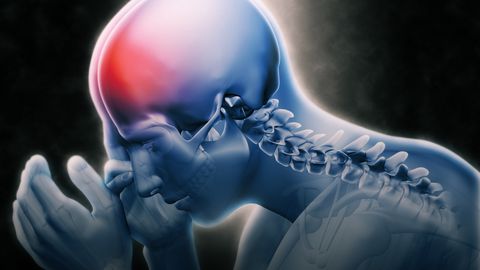
Injectable scaffold helps regenerate nerve tissue after stroke in mice
Translated from Estonian, summarized and contextualized by DistantNews.
At a glance
News
Sources not specified
Context piece
- Scientists have developed an injectable scaffold that helps regenerate nerve tissue in mice after a stroke.
- The porous material attracts the body's own cells, stimulating the growth of immune cells and blood vessels.
- Eight weeks after treatment, the mice showed significant improvements in motor function tests.
Researchers have developed a novel injectable scaffold that shows promise in regenerating nerve tissue in mice following a stroke. Unlike previous approaches that focused on replacing damaged brain tissue, this new method aims to create a conducive environment for the body's natural repair mechanisms.
The Duke University scientists injected a porous material into the damaged brain areas of mice. This scaffold acted as a biological framework, attracting immune cells and stimulating the growth of new blood vessels within the stroke cavity. This process initiated a surprising chain of events, leading to the regeneration of nerve fibers.
Eight weeks after the treatment, the mice demonstrated remarkable recovery in motor function tests. This significant improvement suggests that the biological scaffolding approach could be a viable strategy for restoring brain function after stroke-induced damage.
The research opens up new possibilities for treating stroke patients, potentially offering a way to repair the brain rather than just managing the long-term consequences of tissue loss. Further studies will be needed to determine if this method can be safely and effectively translated to human patients.
DistantNews Editorial
Originally published by Postimees in Estonian. Translated, summarized, and contextualized by our editorial team with added local perspective. Read our editorial standards.
More Stories
/nginx/o/2026/08/13/17845677t1h4f1c.jpg)

/nginx/o/2026/08/14/17846316t1he30b.jpg)
From Our Blog

What Gets Lost (and Found) When News Is Translated

The Critical Role of Diaspora Media in Global News

What Travellers Should Know About Countries with Restricted Press

A Digital Nomad's Guide to Following Local News

How the Same Story Looks Different in Different Countries
