

/nginx/o/2026/08/14/17846316t1he30b.jpg)
Science Minute: What Happens When We Say 'Stars Are Falling'?
Translated from Estonian, summarized and contextualized by DistantNews.
At a glance
Explainer
Sources not specified
Context piece
- August nights feature meteor showers, often associated with wishes and romance, but scientifically unrelated to stars falling.
- Marek Strandberg explains the origin of these streaks of light in the sky during the "Selge pilt" program.
- The discussion covers Earth's annual journey through cosmic "space debris" and the fragility of our planet's safety from comets.
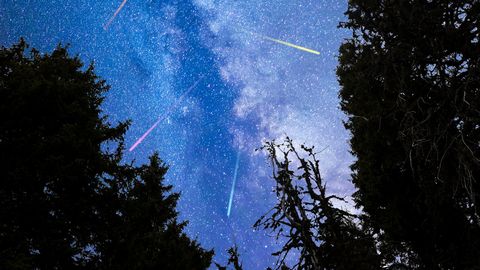
The August nights are known for meteor showers, celestial events often romanticized with wishes and associations of falling stars. However, these phenomena have little to do with actual stars.
In the program "Selge pilt" (Clear Picture), Marek Strandberg delves into the scientific reality behind these bright streaks illuminating the night sky. He explains that these are not stars plummeting to Earth but rather the result of Earth's passage through cosmic "space debris" on its annual orbit around the sun.
Strandberg discusses the composition of this debris and the mechanics of how it creates the visible meteor trails. The program also touches upon the precariousness of our planet's safety, highlighting how fortunate it is that a specific comet has so far passed Earth at a safe distance. This underscores the dynamic and potentially hazardous nature of our solar system's environment.
DistantNews Editorial
Originally published by Postimees in Estonian. Translated, summarized, and contextualized by our editorial team with added local perspective. Read our editorial standards.
More Stories
/nginx/o/2026/08/12/17841969t1h039d.jpg)
/nginx/o/2026/06/29/17748624t1h1339.jpg)

From Our Blog

What Gets Lost (and Found) When News Is Translated

The Critical Role of Diaspora Media in Global News

What Travellers Should Know About Countries with Restricted Press

A Digital Nomad's Guide to Following Local News

How the Same Story Looks Different in Different Countries
