


Innovative Molecule May Reduce Cattle Bacteria Linked to Child Illness
Translated from Spanish, summarized and contextualized by DistantNews.
At a glance
News
Sources not specified
Context piece
- Researchers developed an innovative molecule to reduce Escherichia coli in cattle, lowering contamination risks for food and water.
- This advancement aims to prevent hemolytic uremic syndrome, a severe illness primarily affecting children, with about 500 cases annually in Argentina.
- The molecule targets key proteins of the bacteria, showing promise in neutralizing its virulence and reducing fecal excretion in livestock.
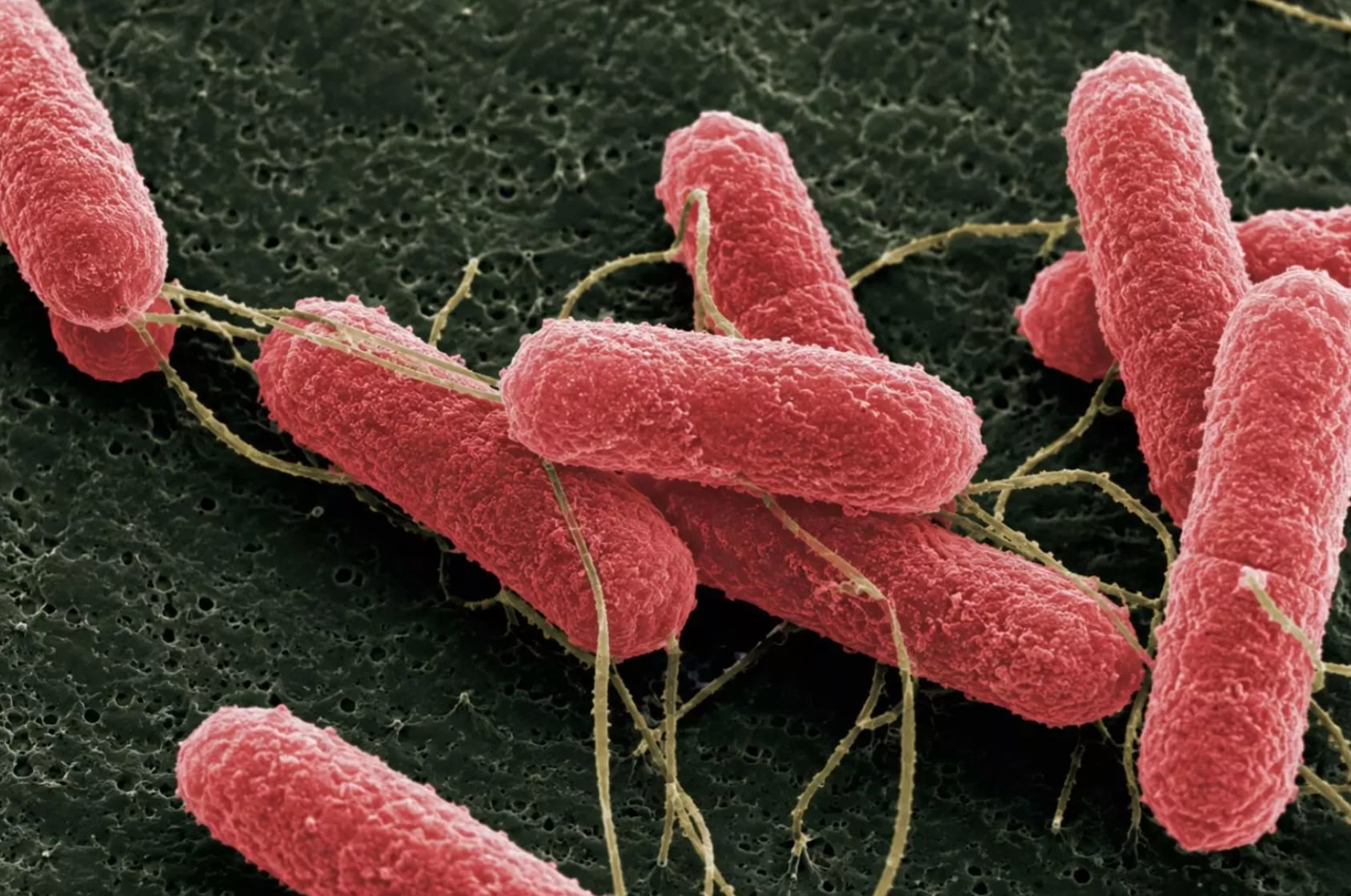
Researchers in Argentina have developed a novel molecule that could significantly reduce the presence of harmful Escherichia coli bacteria in cattle. This breakthrough aims to lower the risk of food and water contamination and prevent cases of hemolytic uremic syndrome (SUH), a serious illness that disproportionately affects children.
The main objective was to generate antibodies that block the virulence mechanism of this bacterium to prevent it from colonizing the cow's intestine and stop cattle from contaminating the environment and food.
SUH is the leading cause of acute kidney failure in children in Argentina, with around 500 cases reported each year. The primary culprit is enterohemorrhagic E. coli (EHEC), particularly the O157:H7 strain, which commonly resides in cattle. While the animals typically do not show symptoms, they intermittently excrete the bacteria through their feces, contaminating pastures and water sources.
The decade-long research effort focused on identifying and blocking the bacteria's virulence mechanisms. Scientists identified two key proteins, EspB and Intimina, involved in the type III secretion system of EHEC. "The main objective was to generate antibodies that block the virulence mechanism of this bacterium to prevent it from colonizing the cow's intestine and stop cattle from contaminating the environment and food," explained Mariano Larzábal, a researcher at Iabimo.
The initial experiments, both in vitro and in animals, showed that antibodies directed against these proteins were capable of neutralizing one of the bacteria's virulence mechanisms and significantly reducing its fecal excretion.
The team created an artificial molecule, named "Chimera," by fusing these two proteins. Preliminary trials in vitro and in animals demonstrated that antibodies targeting Chimera could neutralize the bacteria's virulence and significantly reduce its fecal excretion. "The initial experiments, both in vitro and in animals, showed that antibodies directed against these proteins were capable of neutralizing one of the bacteria's virulence mechanisms and significantly reducing its fecal excretion," the researchers stated.
We called it Chimera because it is the combination of two different proteins in a single molecule that, as such, does not exist in nature.
DistantNews Editorial
Originally published by La Nación in Spanish. Translated, summarized, and contextualized by our editorial team with added local perspective. Read our editorial standards.
More Stories



From Our Blog

What Gets Lost (and Found) When News Is Translated

The Critical Role of Diaspora Media in Global News

What Travellers Should Know About Countries with Restricted Press

A Digital Nomad's Guide to Following Local News

How the Same Story Looks Different in Different Countries
