

Inside Da Sap Cave, Peacetime Soldiers Search for the Remains of Fallen Comrades
Translated from Vietnamese and summarized by DistantNews. Read the original for the full story.
At a glance
In-depth
Named sources
Outcome reported
- Vietnamese military personnel recovered the remains of nine war dead from Da Sap Cave in Da Nang after more than 50 years.
- The search followed efforts to verify witness accounts, survey the site and clear unexploded ordnance.
- Soldiers worked in narrow passages, carefully collecting bones and personal artifacts that could help identify the dead and reconnect them with their families.
For more than half a century, the remains of nine Vietnamese soldiers lay inside Da Sap Cave, hidden beyond steep rock faces and difficult mountain terrain. In July, soldiers entered the cramped cave to bring them back for burial.
Reaching the site required more than an hour of walking through forest and along a hazardous mountainside. The cave sits near a large lake in Lam Tay village, in Ha Nha commune, Da Nang. There is no flat path to the entrance, so the search team had to cling to rocks and cross rough ground before beginning its work.
For veterans who fought in the area, Da Sap is not simply a cave in the mountains. It is where comrades disappeared during the war. Their memories remained alive for more than 50 years, helping guide the effort to locate them.
Each layer of soil had to be removed carefully. No one was allowed to rush.
In June 2026, the Da Nang Military Command held a meeting to screen and verify information about soldiers believed to be buried in the cave. Fragments of testimony from witnesses gradually formed what the account describes as a map of memory. Officials used it to plan surveys, bomb clearance and the recovery operation.
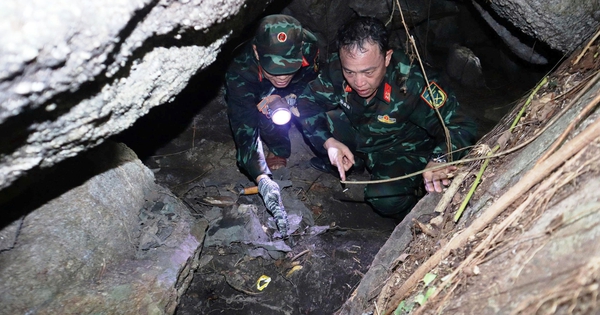
The cave presented unusual physical challenges. In some places, soldiers had to crawl on their stomachs, bend sharply and squeeze between vertical rock walls, relying on headlamps as they moved deeper inside. They used small tools to remove soil layer by layer, fearing that a heavy strike could damage an artifact or disturb the few remaining clues. Metal fragments, pieces of cloth, uniform buttons and personal belongings were collected and marked carefully. Each item could help identify a soldier and offer a missing family a link to someone who had never returned.
A hard swing of the pick could damage an artifact. A careless movement could disturb the few traces that remained.
About this summary
Originally published by Thanh Niên in Vietnamese. Translated, summarized, and contextualized automatically by DistantNews, with a note on how the source frames the story. Not individually reviewed before publishing. How this works.
More Stories

From Our Blog

What Gets Lost (and Found) When News Is Translated

The Critical Role of Diaspora Media in Global News

What Travellers Should Know About Countries with Restricted Press

A Digital Nomad's Guide to Following Local News

How the Same Story Looks Different in Different Countries
