


Interest Rates Emerge as Key Variable for Seoul Housing Market in Second Half
Translated from Korean, summarized and contextualized by DistantNews.
At a glance
Analysis
Sources not specified
Context piece
- Interest rates are the biggest variable for the Seoul metropolitan area housing market in the second half of the year.
- A rise in the proportion of loans with interest rates above 4.5% could significantly curb buyer demand.
- The expansion of the '5th National Railway Network Plan' and the strengthening of the Jeonse (long-term lease) market in the Seoul metropolitan area are also key factors to watch.
Interest rates are poised to be the most significant factor influencing the Seoul metropolitan area's housing market in the latter half of the year. With both the U.S. Federal Reserve and the Bank of Korea signaling hawkish stances, the critical question is at what level rising rates will deter potential buyers.
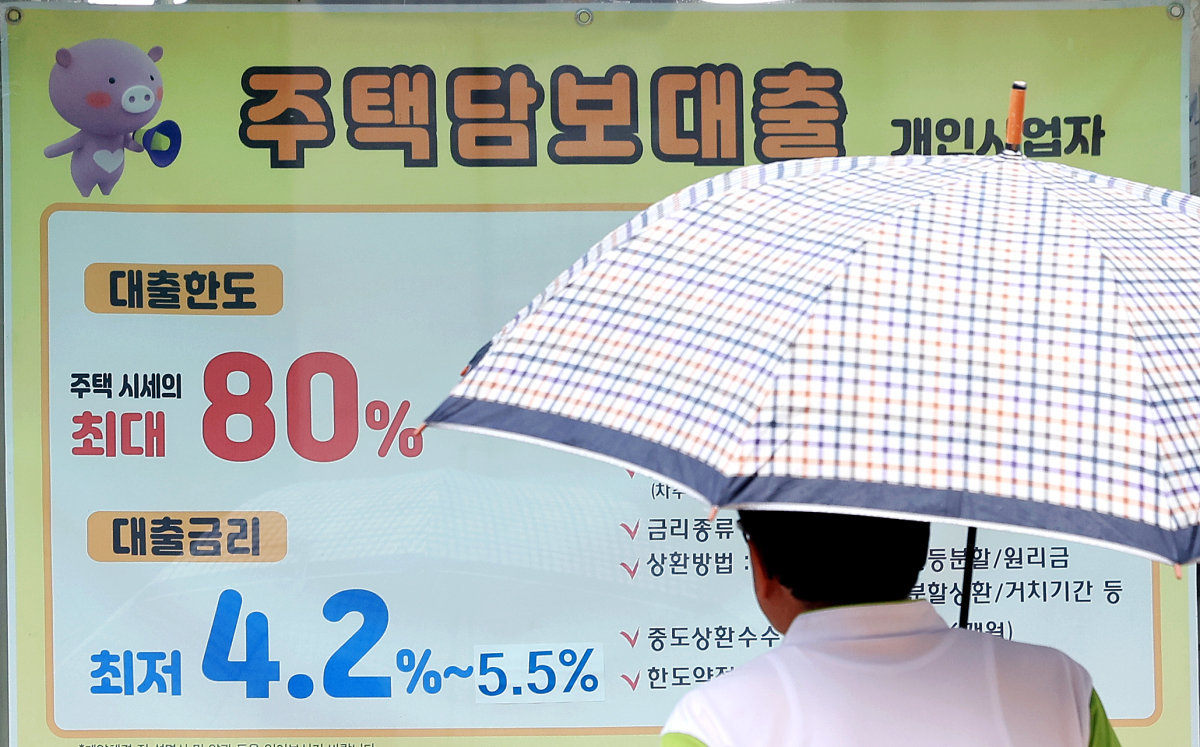
Analyzing the impact of interest rates requires looking at both the distribution of loan rates and the subsequent trend in transaction volumes. While the average loan interest rate has remained relatively stable, the proportion of households taking out loans at rates between 4.0% and 4.5% has steadily increased. This suggests that buyers in the Seoul metropolitan area have adapted to rates in the low 4% range, as evidenced by a rise in apartment sales transactions from January to May.
The key concern for the second half is the potential increase in the proportion of loans with rates between 4.5% and 5.0%. Past patterns indicate that when the share of loans in the 'late 4% range' exceeds 20%, buyer sentiment begins to cool, and when it approaches 30%, the market tends to freeze. Therefore, fluctuations in loan rates will be a crucial variable for the Seoul metropolitan real estate market.
Another important aspect to monitor is the Jeonse market, particularly the rising trend in long-term lease prices in the Seoul metropolitan area. The proportion of monthly rent agreements has surpassed that of Jeonse, a trend that could push more 무주택자 (those without a home) towards the 매매 (purchase) market. Several areas, including Hanam in Gyeonggi Province and Dobong-gu in Seoul, have seen Jeonse price increases significantly above the metropolitan average.
Finally, the '5th National Railway Network Plan,' expected to be finalized later this year, will also play a role. Investments in railway infrastructure, especially in previously underserved areas, could directly impact property values. While the government emphasizes regional development, the competition for inclusion in this plan is expected to be fierce, potentially leading to concentrated investment in areas where new lines are confirmed, such as extensions of the SRT and KTX lines.
DistantNews Editorial
Originally published by Dong-A Ilbo in Korean. Translated, summarized, and contextualized by our editorial team with added local perspective. Read our editorial standards.
More Stories


From Our Blog

What Gets Lost (and Found) When News Is Translated

The Critical Role of Diaspora Media in Global News

What Travellers Should Know About Countries with Restricted Press

A Digital Nomad's Guide to Following Local News

How the Same Story Looks Different in Different Countries
