


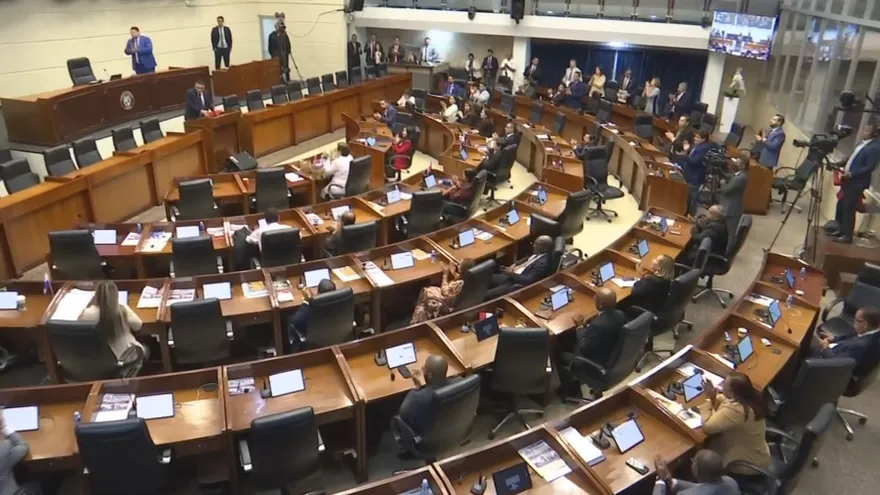
Internal Assembly rules debate remains stalled in second reading
Translated from Spanish, summarized and contextualized by DistantNews.
At a glance
News
Sources not specified
Context piece
- Lawmakers in Panama are stalled in the second debate of reforms to the National Assembly's internal regulations.
- After four weeks, sessions are slow, focusing on procedural matters rather than decisive voting on over 160 proposed amendments.
- Key points of contention include deputy exonerations, secret voting, postal franking, and regulating parliamentary attendance, with a focus on ensuring deputies are not paid if they don't attend.
Panama's National Assembly is mired in a slow-moving second debate on reforms to its internal regulations, with progress stalled after four weeks of sessions. Lawmakers are dedicating most of their time to procedural issues and presenting new proposals, rather than reaching the crucial phase of voting on the more than 160 amendments submitted.
Recent sessions have been brief, with one lasting only an hour, failing to address the substantial number of proposed changes. This legislative paralysis is holding up other pending bills on the parliament's agenda. The delay is particularly notable given the public interest in several of the debated topics.
Significant disagreements persist over issues such as deputy exonerations, secret voting, postal privileges, and the regulation of parliamentary attendance. Jorge González, a deputy and head of the Vamos party, emphasized the importance of discussing attendance rules, stating that a deputy who does not attend work should not receive full pay. He acknowledged that some deputies deem this unconstitutional but stressed the need to find a solution that satisfies public demands for accountability.
The discussion of internal regulations has been very important for repeated reasons, such as the deputy's agreement: if they don't go, they don't get paid. Deputies have stated that it is unconstitutional, but we must find the appropriate way for citizens to feel satisfied, because it is not fair that a person does not show up and collects the full salary.
DistantNews Editorial
Originally published by TVN Panamá in Spanish. Translated, summarized, and contextualized by our editorial team with added local perspective. Read our editorial standards.
More Stories


From Our Blog

What Gets Lost (and Found) When News Is Translated

The Critical Role of Diaspora Media in Global News

What Travellers Should Know About Countries with Restricted Press

A Digital Nomad's Guide to Following Local News

How the Same Story Looks Different in Different Countries
