

IOC's neutrality recommendations could open door for Russia, Finnish officials say
Translated from Finnish, summarized and contextualized by DistantNews.
At a glance
News
Sources not specified
Context piece
- The International Olympic Committee (IOC) executive board discussed changes to its rules regarding neutrality and governance.
- Finnish sports official Antti Pihlakoski interprets these changes as a move to centralize power within the IOC and potentially allow Russian and Belarusian athletes back into the Olympics.
- The Finnish Olympic Committee maintains its stance that Russia should not be readmitted until the war in Ukraine ceases.
The International Olympic Committee's (IOC) executive board met to discuss potential changes to its rules concerning the participation of Russian and Belarusian athletes, but a decisive resolution was not reached. Following the meeting, the IOC released a statement outlining recommendations for amending its statutes, focusing on strengthening the principle of neutrality and modernizing the governance of the Olympic program. These proposed changes are set to be decided upon by the IOC's general assembly later this month.
The IOC is retaining more power for itself to decide which sports are on the Olympic program and trying to break away from such 'political guidance' regarding any country. So wars and others would not matter much, even if it is not directly mentioned in the statement.
Antti Pihlakoski, a Finnish sports figure and member of the World Athletics (WA) council, interprets the IOC's statement as an attempt to consolidate decision-making power within the committee. He suggests that the IOC is seeking to distance itself from political influence, which could pave the way for the return of Russian and Belarusian athletes to international competition. Pihlakoski believes that under the proposed changes, international sports federations would have less authority to exclude athletes or countries, with the IOC gaining more control over participation decisions.
In the future, sports federations would no longer have as much power to decide who or which countries can participate in the Olympics. Instead, the IOC would get more power to decide on participation. Sports federations would retain power to decide on the technical rules of their own sport. That's how I interpret it.
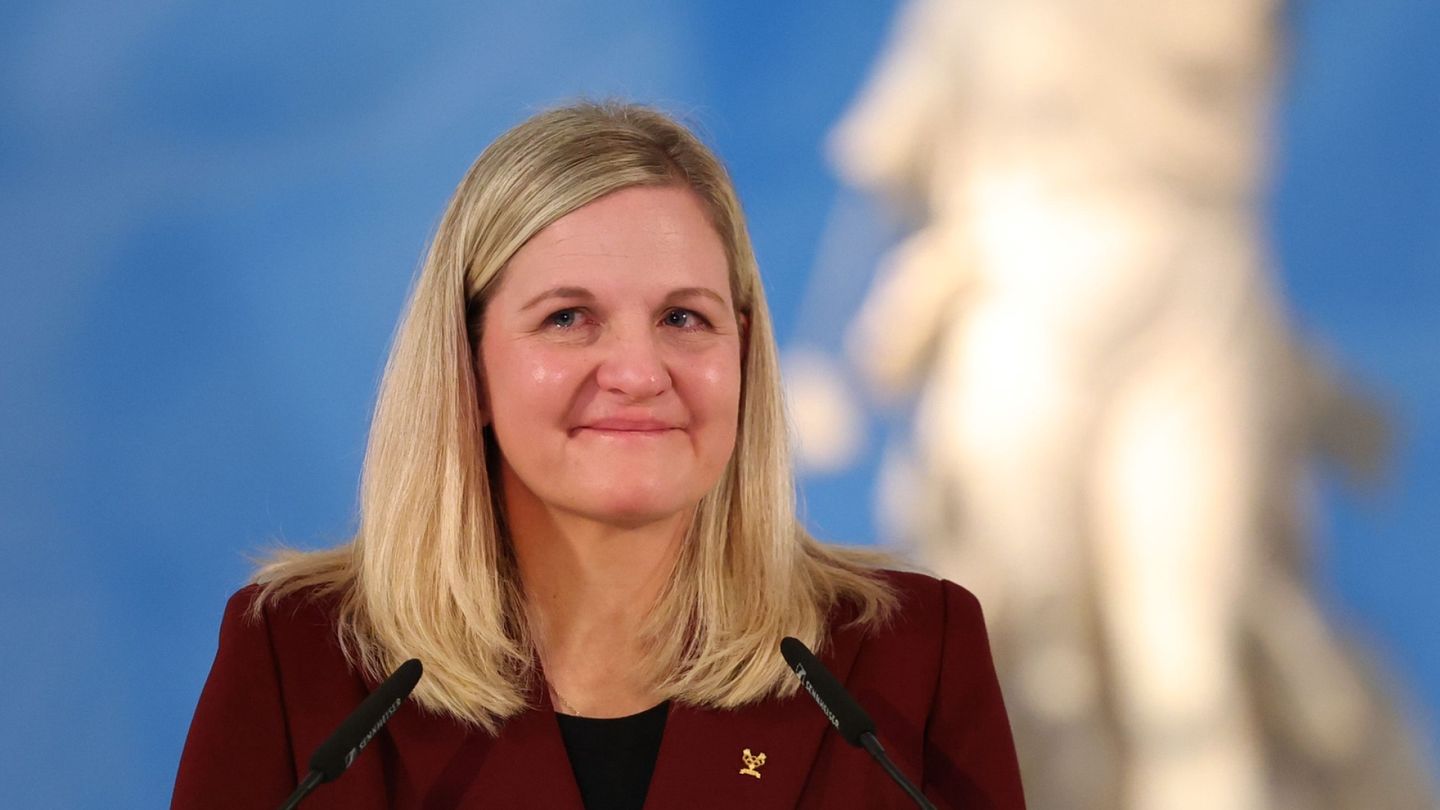
Petteri Kilpinen, president of the Finnish Olympic Committee, shares Pihlakoski's skepticism. He views the IOC's emphasis on neutrality and detachment from politics, themes championed by IOC President Kirsty Coventry, as a potential precursor to readmitting Russia. Kilpinen noted that the statement does not address the continuation of bans but rather seems to facilitate a return. The Finnish Olympic Committee, along with other Nordic countries, maintains its position that Russian athletes should not be allowed to compete as long as the war in Ukraine continues, emphasizing that any change would require a cessation of hostilities and the establishment of lasting peace.
Yes, this raises doubts about whether the intention is to make it easier to invite Russia back. The statement does not address the continuation of the ban at all, but rather the opposite.
DistantNews Editorial
Originally published by Helsingin Sanomat in Finnish. Translated, summarized, and contextualized by our editorial team with added local perspective. Read our editorial standards.
More Stories
From Our Blog

What Gets Lost (and Found) When News Is Translated

The Critical Role of Diaspora Media in Global News

What Travellers Should Know About Countries with Restricted Press

A Digital Nomad's Guide to Following Local News

How the Same Story Looks Different in Different Countries
