

Iohannis Pushes for Compromise on Public Sector Wages Amidst Political Crisis
Translated from Romanian, summarized and contextualized by DistantNews.
At a glance
News
Named sources
Ongoing story
- Romanian President Klaus Iohannis convened leaders of major political parties to negotiate the unitary wage law, crucial for accessing EU recovery funds.
- The law's adoption faces challenges due to parliamentary vacation, party interests, and union opposition to certain provisions.
- Political scientists note the unprecedented combination of political pressure, government crisis, and tight deadlines for this reform.
President Klaus Iohannis has summoned leaders from Romania's PSD, PNL, USR, and UDMR parties in a renewed effort to pass the unitary wage law. The nation has only weeks to adopt and enact the reform, a mandatory condition for securing 770 million euros from the National Recovery and Resilience Plan.
Negotiations are unfolding amid a complex political climate. Parliament is on vacation, parties are prioritizing their own interests, and unions continue to contest parts of the draft law. Political scientist George Jiglău from Babeș-Bolyai University in Cluj describes the current mix of political pressure, government crisis, and limited time as unprecedented in post-communist Romania.
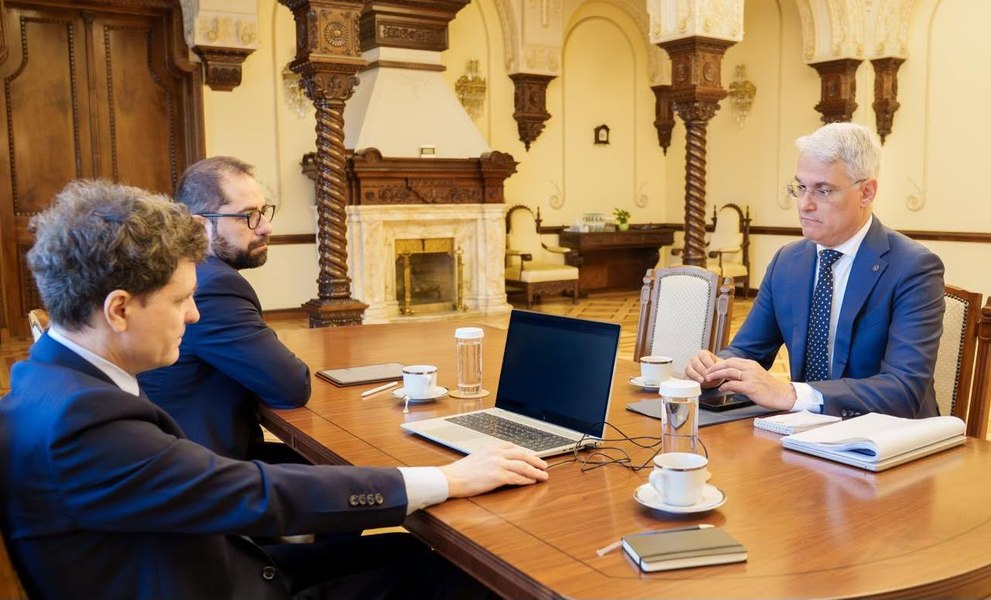
This meeting at Cotroceni Palace follows a warning from interim Labor Minister Dragoș Pîslaru that Romania is in the final stage for political agreement on the reform. Pîslaru indicated that the draft has been modified over the past three weeks, particularly concerning sensitive areas like health and education. The current version aims to increase salaries for about two-thirds of public sector employees without reducing incomes.
However, the project has not resolved inter-party disagreements. The UDMR seeks clarification on funding sources for salary increases, while the PSD states it will not support the current form if healthcare and education workers' incomes are not protected. Iohannis is pushing for an extraordinary parliamentary session, but the recess further constrains the timeline for enacting a law with significant budgetary and political implications.
Jiglău highlighted the difficult situation: "It's a very complicated situation because, on one hand, there is this prevailing conflictual state, and on the other, things need to be resolved. And, to make it even more complicated, they must be resolved via Parliament, not via Government. It's an interesting dynamic. I don't know if we have ever had, post-December, such a combination of very high time pressure, government crisis, conflictual atmosphere both between parties and between parties and the president. And then there's the parliamentary vacation, with important normative acts depending on a lot of money that need to be resolved."
Despite public disputes, Jiglău observes that the four parties maintain a functional dialogue. Each party is strategically positioning itself to avoid appearing to concede on its promises or interests.
I don't know if we have ever had, post-December, such a combination of very high time pressure, government crisis, conflictual atmosphere both between parties and between parties and the president. And then there's the parliamentary vacation, with important normative acts depending on a lot of money that need to be resolved.
DistantNews Editorial
Originally published by Adevărul in Romanian. Translated, summarized, and contextualized by our editorial team with added local perspective. Read our editorial standards.
More Stories
From Our Blog

What Gets Lost (and Found) When News Is Translated

The Critical Role of Diaspora Media in Global News

What Travellers Should Know About Countries with Restricted Press

A Digital Nomad's Guide to Following Local News

How the Same Story Looks Different in Different Countries
