



Iran attacks Israel with missiles, escalating regional tensions
Translated from German, summarized and contextualized by DistantNews.
At a glance
News
Sources not specified
Ongoing story
- Iran launched multiple missile volleys at Israel for the first time in two months, following an Israeli strike on Hezbollah in Lebanon.
- The escalation raises fears of a renewed open conflict and jeopardizes potential US-Iran negotiations.
- The attacks occurred after a fragile ceasefire agreement between Israel and Lebanon, brokered by the US, was rejected by Hezbollah.
Iran has once again targeted Israel with missile strikes, marking the first such attack in two months. This escalation follows an Israeli operation against the Hezbollah militia in Lebanon. The renewed hostilities fuel concerns of an open conflict between Iran and Israel and simultaneously endanger ongoing negotiations between Iran and the United States.
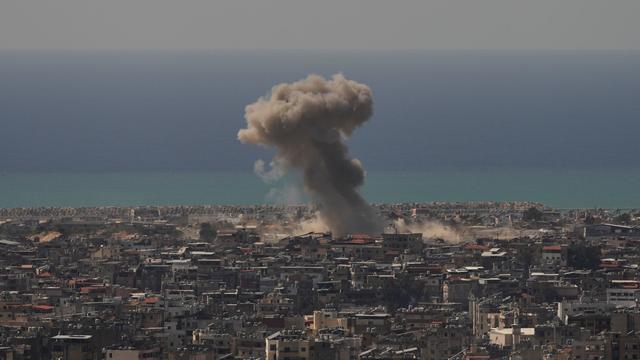
The Iranian missile volleys, launched late Sunday, were a direct response to Israeli strikes earlier that day on Hezbollah strongholds in the suburbs of Beirut. Israel had described these targets as "terrorist headquarters." Prior to this, Hezbollah had launched rockets from Lebanon into northern Israel. Just days before, Israel and Lebanon had agreed to a renewed attempt at implementing a ceasefire, brokered by the US, but Hezbollah rejected the terms. Hezbollah, a key Iranian ally, is a primary target for Israel, which conducts ground operations and airstrikes against the militia.
Iranian officials had previously warned that further Israeli attacks on the greater Beirut area would be considered a new step in regional escalation. Israeli media reported approximately ten waves of Iranian missiles, all of which the Israeli army claims to have intercepted. Initial reports mentioned one injury in Israel. An Israeli military spokesperson stated that Iran had made a "grave mistake" with these new attacks.
For US President Donald Trump, these developments represent a dual setback. They complicate his efforts to mediate a ceasefire in Lebanon and foster Israeli-Lebanese rapprochement. Tehran is also demanding an end to the fighting in Lebanon as part of its negotiations with Washington. While Trump initially remained notably reserved, he had previously exerted significant pressure on Tehran. Reports suggest Trump intended to call Israeli Prime Minister Benjamin Netanyahu, urging him to refrain from retaliatory strikes against Tehran.
Iran has made a "grave mistake" with these new missile attacks.
DistantNews Editorial
Originally published by Die Zeit in German. Translated, summarized, and contextualized by our editorial team with added local perspective. Read our editorial standards.
More Stories


From Our Blog

What Gets Lost (and Found) When News Is Translated

How the Same Story Looks Different in Different Countries

The Critical Role of Diaspora Media in Global News

What Travellers Should Know About Countries with Restricted Press

A Digital Nomad's Guide to Following Local News
