



Iran closes Strait of Hormuz amid Lebanon fighting; US talks to begin Sunday
Translated from English, summarized and contextualized by DistantNews.
At a glance
News
Named sources
Ongoing story
- Iran announced it closed the Strait of Hormuz due to Israeli attacks in Lebanon, while negotiators headed to Switzerland for talks with the U.S. on an interim agreement.
- The U.S. disputed Iran's claim about the strait, stating traffic continues to flow and U.S. forces are monitoring the situation.
- The interim deal aims to stop fighting on all fronts, with negotiators having 60 days to reach a nuclear agreement, but the deal's overall success is jeopardized if fighting doesn't cease.
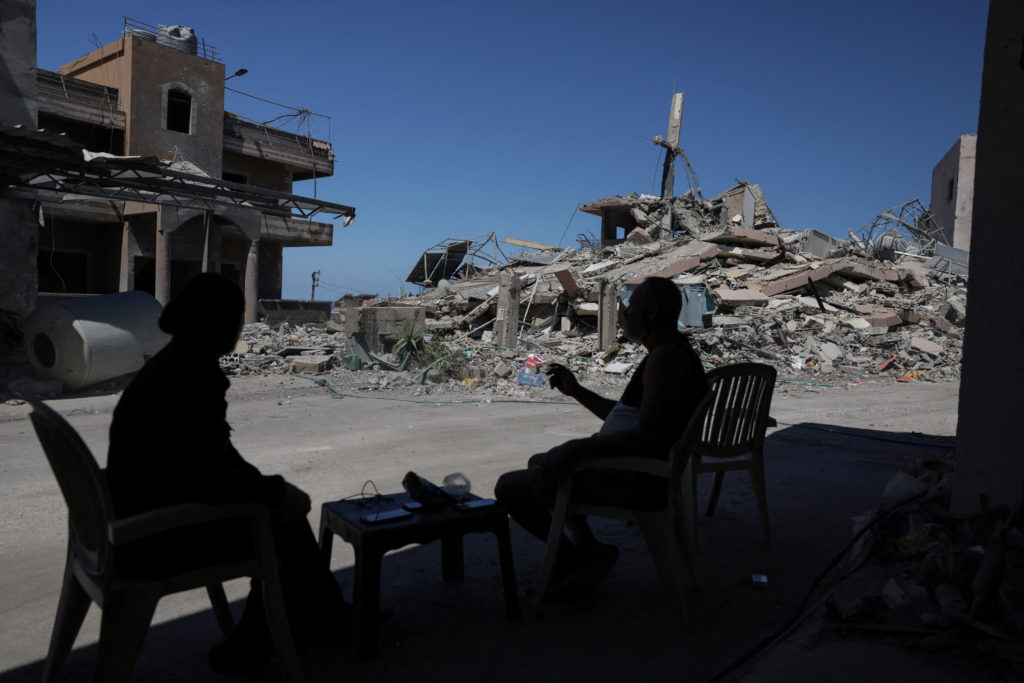
Iran announced Saturday it had closed the Strait of Hormuz, citing Israel's attacks in Lebanon as the reason. The move came as Iranian negotiators were en route to Switzerland for talks with the United States regarding an interim agreement. However, Iran warned that little progress would be made if the fighting did not stop.
Pakistan, a key mediator, confirmed that technical-level talks would commence Sunday, with Qatari mediators also participating. Iran's joint military command stated the strait's closure was a response to the U.S. "clear breach of its commitments" by failing to end the war, emphasizing that the interim deal is intended to halt conflict on all fronts.
Iran does not control the Strait of Hormuz. Traffic continues to flow, and U.S. forces are monitoring the situation to ensure this remains the case.
The U.S. Central Command spokesperson, Capt. Tim Hawkins, disputed Iran's announcement, asserting that Iran does not control the Strait of Hormuz and that traffic remains unimpeded. U.S. forces are actively monitoring the situation to ensure continued flow, with 55 merchant ships successfully transiting on Saturday, carrying over 17 million barrels of oil.
Negotiations for a final agreement are contingent on key commitments being met, according to Iranian Foreign Ministry spokesperson Esmail Baghaei. He warned that failure to uphold these commitments would jeopardize the entire memorandum of understanding. U.S. Vice President JD Vance confirmed that top negotiators were in Switzerland to work on technical details for anticipated negotiations concerning Iran's nuclear program. The interim deal provides a 60-day window for reaching a nuclear agreement, with the possibility of extension.
the memorandum of understanding as a whole will be jeopardized.
DistantNews Editorial
Originally published by PBS NewsHour in English. Translated, summarized, and contextualized by our editorial team with added local perspective. Read our editorial standards.
More Stories


From Our Blog

How the Same Story Looks Different in Different Countries

What Gets Lost (and Found) When News Is Translated

The Critical Role of Diaspora Media in Global News

What Travellers Should Know About Countries with Restricted Press

A Digital Nomad's Guide to Following Local News
