

Iran conflict: Errors and lessons from a war marked by diplomatic deadlock and strategic failures
Translated from Romanian, summarized and contextualized by DistantNews.
At a glance
News
Sources not specified
Ongoing story
- Four months after coordinated U.S. and Israeli airstrikes, Iran's initial military objectives remain unmet, and a 14-point memorandum of understanding has failed to stabilize the region.
- Analysts suggest the Trump administration is seeking an exit strategy from the complex conflict, which has roots in U.S.-Tehran tensions since 1979 and regional rivalry with Israel.
- Strategic planning by the U.S. underestimated Iran's internal stability and resilience, leading to prolonged conflict rather than a swift resolution.
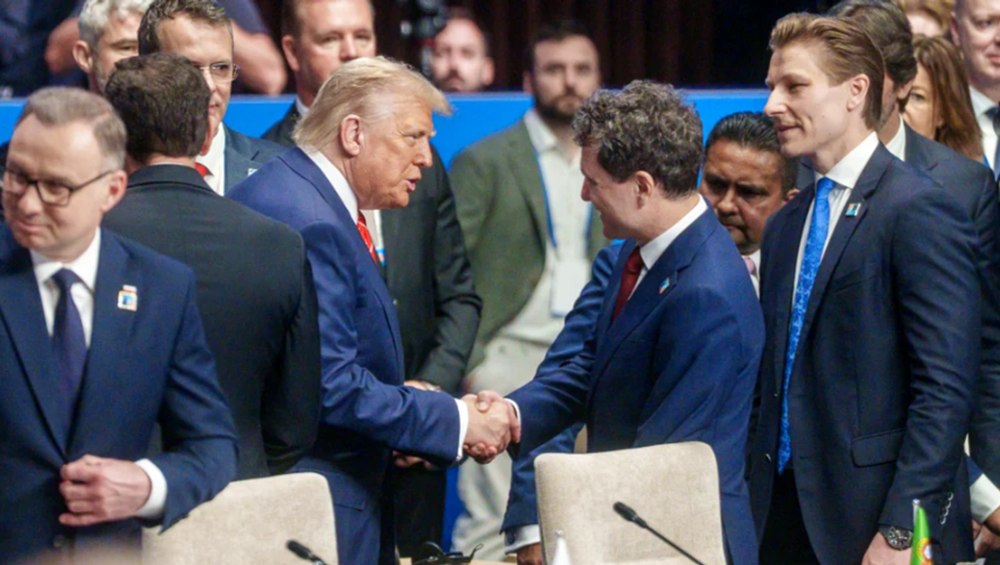
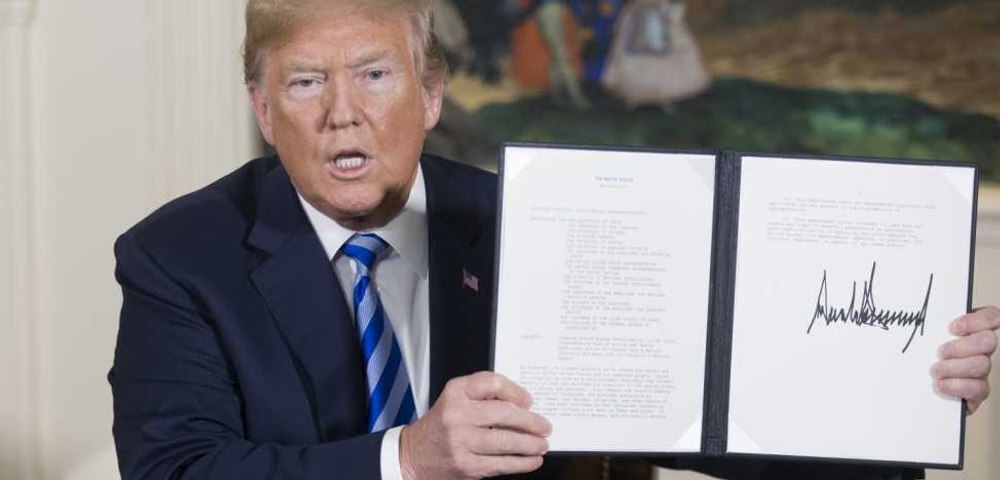
Four months into a military campaign launched by a U.S.-Israeli coalition against Iran, the conflict's initial objectives appear largely unfulfilled. A 14-point memorandum of understanding, signed between Washington and Tehran, has so far failed to bring stability to the region, according to reports.
The current hostilities, which began on February 28, 2026, follow a complex geopolitical history. Tensions between Washington and Tehran date back to the 1979 hostage crisis, while a regional rivalry with Israel intensified after the 1979 Islamic Revolution. This conflict has evolved into a "proxy war" involving allied groups like Hamas, Hezbollah, and the Houthis, culminating in the October 2023 Hamas attacks and subsequent direct Israeli strikes on Iranian territory in October 2024 and June 2025.
Analysts suggest the administration of President Donald Trump may be searching for an exit strategy from an increasingly intricate conflict. The Islamic Revolutionary Guard Corps (IRGC) appears poised to leverage this perceived vulnerability to secure maximum concessions during negotiations. Strategic planning by the U.S. has been criticized for underestimating the resilience of the Iranian regime, with initial expectations of a popular revolt or rapid capitulation proving inaccurate.
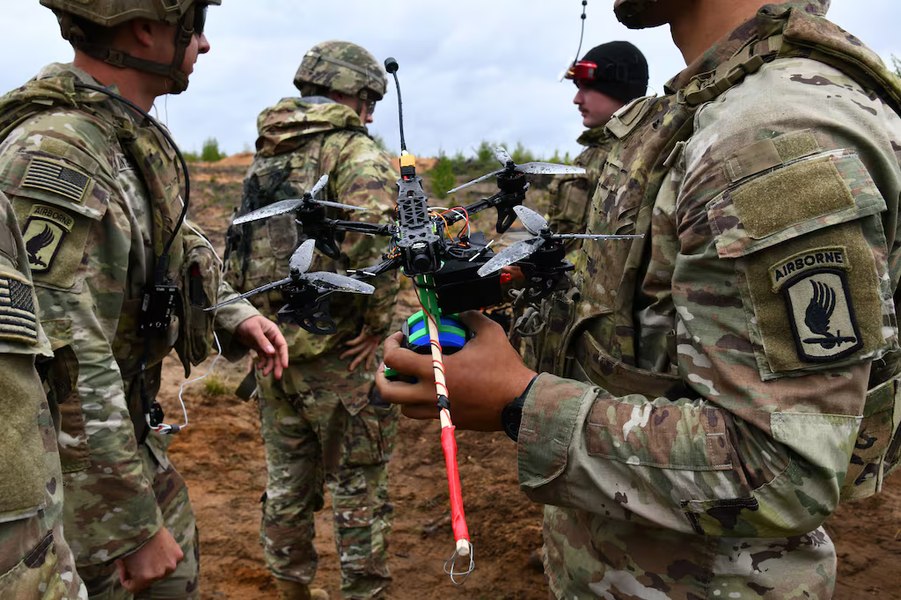
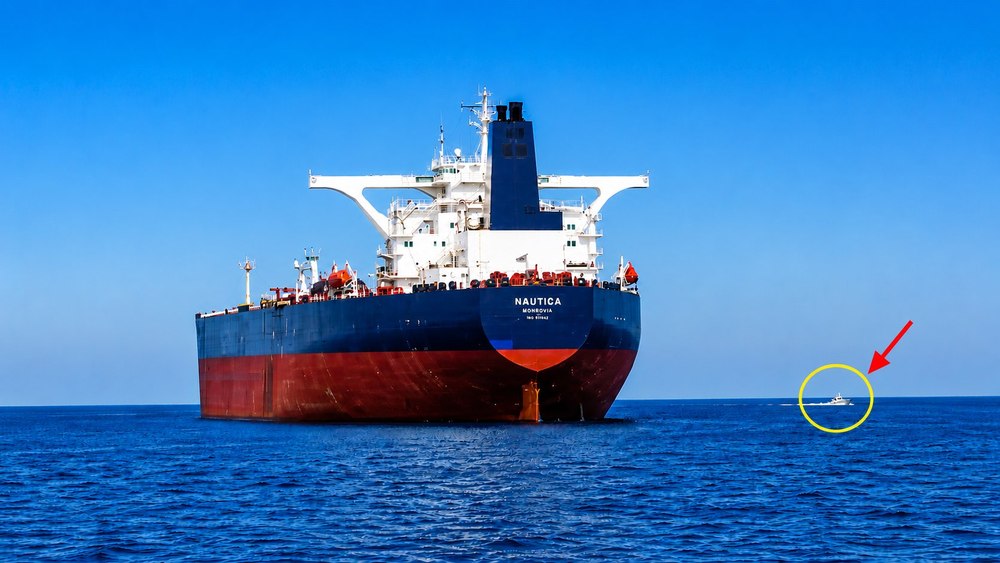
Despite initial claims by U.S. Secretary of Defense Pete Hegseth of a swift victory and neutralization of Iran's navy, Iran has responded with asymmetric missile and drone attacks. The country has also partially blocked the Strait of Hormuz, a critical maritime artery through which approximately 20% of global oil transit occurs, highlighting the ongoing strategic challenges and economic impact of the conflict.
DistantNews Editorial
Originally published by Adevărul in Romanian. Translated, summarized, and contextualized by our editorial team with added local perspective. Read our editorial standards.
More Stories

From Our Blog

What Gets Lost (and Found) When News Is Translated

The Critical Role of Diaspora Media in Global News

What Travellers Should Know About Countries with Restricted Press

A Digital Nomad's Guide to Following Local News

How the Same Story Looks Different in Different Countries
