


Iran Conflict Flares: Three Scenarios for the Strait of Hormuz
Translated from German, summarized and contextualized by DistantNews.
At a glance
Analysis
Named sources
Ongoing story
- The US military has conducted airstrikes on approximately 170 targets along Iran's coast near the Strait of Hormuz in response to Iranian attacks on ships.
- The Strait of Hormuz is experiencing near-total cessation of shipping traffic due to the ongoing hostilities.
- Both the US and Iran appear to want to avoid a full-scale war, with the US seeking lower oil prices before elections and Iran needing economic relief from sanctions.
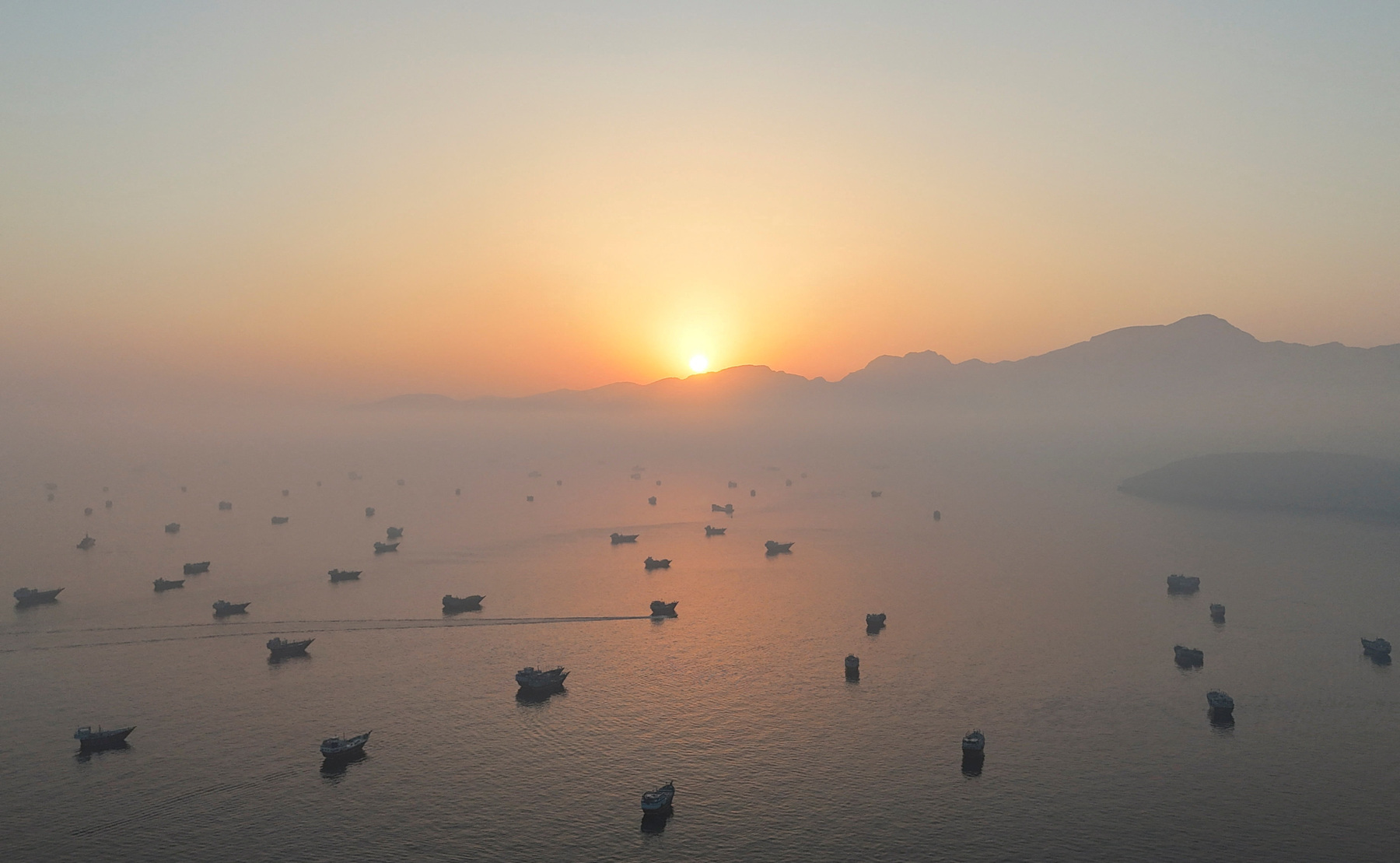
Tensions have flared dramatically in the Strait of Hormuz, with U.S. forces launching airstrikes against roughly 170 targets along Iran's coast since Tuesday evening. President Donald Trump stated the strikes were a direct response to Iran's attacks on vessels in the vital waterway. Shipping traffic through the Strait of Hormuz has consequently ground to a near standstill.
If you strike, you get hit.
Iran retaliated against the U.S. strikes by firing rockets and drones at U.S. bases in Qatar, Bahrain, and Kuwait. Mohammad Bagher Ghalibaf, the speaker of Iran's parliament and a negotiator in talks with the U.S., asserted on X that the only way to reopen the Strait of Hormuz is through adherence to Iranian rules. Iran argues that a preliminary agreement with the U.S. on June 17 grants it sovereignty over the strategically important strait. However, the U.S. and Arab states insist that Iran must allow unrestricted passage through the Strait of Hormuz, at least during the ongoing negotiations scheduled to last until August.
Several scenarios could unfold. One possibility is the continuation of the conflict. Both sides claim readiness to resume hostilities, which were temporarily halted in April. However, neither the U.S. nor Iran truly desires a full-blown war. Trump needs falling gasoline and consumer prices in the U.S. ahead of the November congressional elections, and progress in the Iran conflict to present as a success. Without the Strait of Hormuz reopening soon, oil company reserves could dwindle, driving up oil prices even without active warfare.
The only way to reopen the Strait of Hormuz is through adherence to Iranian rules.
Iran, meanwhile, desperately needs an economic respite. Its economy has been further crippled by the conflict. The June agreement with the U.S. offered a potential lifeline, including an end to U.S. sanctions on Iranian oil exports and a multi-billion dollar reconstruction program. Trump's reimposition of oil sanctions has jeopardized these prospects. A new war would likely extinguish any hope of economic recovery for Iran, potentially costing it control over the Strait of Hormuz or even leading to the downfall of the regime in Tehran. Another approach, termed "mowing the lawn," involves repeated U.S. strikes on Iranian positions that are subsequently rebuilt, a tactic already reportedly in use.
The grass always grows back.
DistantNews Editorial
Originally published by Die Presse in German. Translated, summarized, and contextualized by our editorial team with added local perspective. Read our editorial standards.
More Stories

From Our Blog

What Gets Lost (and Found) When News Is Translated

The Critical Role of Diaspora Media in Global News

What Travellers Should Know About Countries with Restricted Press

A Digital Nomad's Guide to Following Local News

How the Same Story Looks Different in Different Countries
