


Iran Considers Banning US, Israeli Ships from Strait of Hormuz
Translated from Greek, summarized and contextualized by DistantNews.
At a glance
News
Named sources
Context piece
- An Iranian parliamentary committee is considering a bill to ban U.S. and Israeli ships from the Strait of Hormuz.
- The proposal aims to impose fines on cargo passing through the strait, with potential fees for ships from "enemy" states.
- Iran is also demanding the U.S. revoke actions it claims violate previous commitments, including sanctions and port blockades.
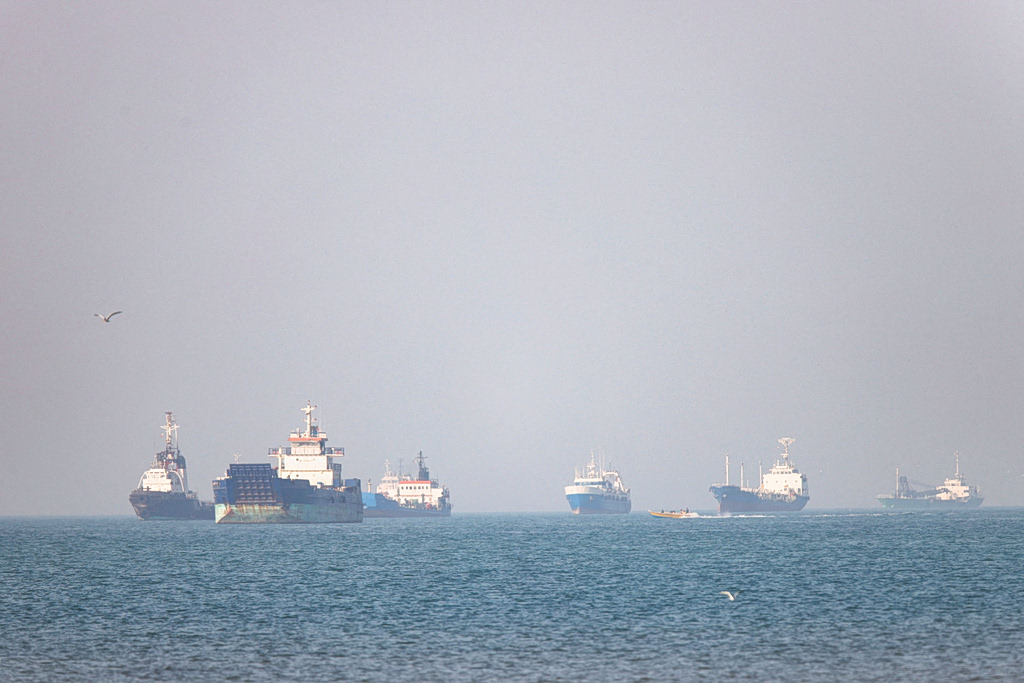
An Iranian parliamentary committee is reviewing a draft bill that could prohibit ships from the United States, Israel, and other perceived "enemy" states from transiting the Strait of Hormuz. The proposed legislation, reported by the semi-official Fars news agency, also includes provisions for imposing fines on cargo passing through the vital waterway.
It involves suspicion of attempted explosive detonation and dangerous interference with air traffic.
According to a lawmaker cited by Fars, the bill is currently under expert review, with parliament seeking recommendations before finalizing the plan. This development comes as Iran's Deputy Foreign Minister, Kazem Gharibabadi, stated that Tehran demands the U.S. reverse actions that Iran contends violate prior agreements. These demands include ending the naval blockade of Iranian ports, addressing renewed sanctions, particularly in the energy sector, and resuming negotiations on frozen assets.
We are not defending privileges, but we want to have the same conditions to compete. This is the point.
Gharibabadi also indicated that Iran is not obligated to adhere to a previous 60-day commitment regarding safe passage, describing it as mere guidelines rather than a final operational plan. He suggested that a new agreement between Iran and Oman offers a different framework reflecting current security conditions. This new arrangement, he stressed, aligns with Iran's strategy of "effective sovereignty" over the Strait, though Tehran does not intend to systematically close the route during peacetime.
For all the idiots who talk about industry...
Maritime industry associations have expressed reservations about the potential implementation of such measures, citing concerns about U.S. sanctions and restrictions on insurance and payment systems. Reports suggest Iran aims to impose transit fees of 5% to 7% on cargo value, while Oman is reportedly discussing fees around 3%. The U.S., however, advocates for the complete absence of such charges.
Love is infinite. Love is everything. Love is the greatest force and energy. In love, you simply are and it doesn't matter who, whose, to whom. We just love!
DistantNews Editorial
Originally published by Ta Nea in Greek. Translated, summarized, and contextualized by our editorial team with added local perspective. Read our editorial standards.
More Stories


From Our Blog

What Gets Lost (and Found) When News Is Translated

The Critical Role of Diaspora Media in Global News

What Travellers Should Know About Countries with Restricted Press

A Digital Nomad's Guide to Following Local News

How the Same Story Looks Different in Different Countries
