


Iran envoy says friendly nations to get ‘special’ Hormuz fee treatment
Summarized and contextualized by DistantNews.
At a glance
News
Named sources
Ongoing story
- Iran's ambassador to China stated that ships transiting the Strait of Hormuz will be charged new fees, despite Washington's rejection of the idea.
- Friendly nations will receive "special treatment" regarding these fees, according to the ambassador.
- These new arrangements aim to guarantee security, supervision, and address environmental consequences of passage through the vital waterway.
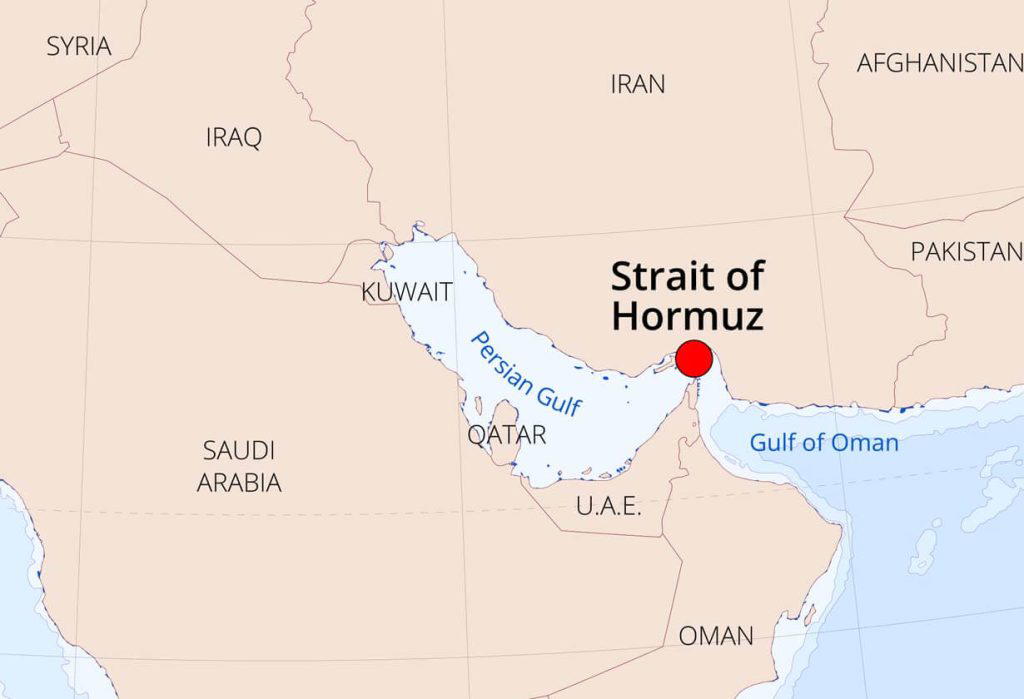
Iran plans to implement new fees for ships transiting the Strait of Hormuz, a move that has been met with rejection from Washington. Iran's ambassador to China, Abdolreza Rahmani Fazli, insisted on Saturday that these charges would be applied, while also assuring that "friendly" nations would receive preferential treatment.
As a country where the Hormuz is part of its territorial waters, we will definitely charge service fees
Speaking at the World Peace Forum in Beijing, Fazli explained that Iran is collaborating with Oman on "new arrangements" for the strait, which is part of Iran's territorial waters. He clarified that these fees would not constitute a "toll" but would cover services such as guaranteeing passage security, supervising vessel traffic, and managing environmental consequences arising from the high volume of ships.
These new arrangements will be concerning guaranteeing the security of passage through the Straits of Hormuz, supervision of the passage of the vessels… and also guaranteeing and dealing with the environmental consequences of the massive number of ships
"We will definitely consider special treatment for the countries that were friendly to us and specially stood by us during the hard times," Fazli added. The Strait of Hormuz is a critical chokepoint, normally carrying one-fifth of the world's crude oil and liquefied natural gas. It was previously closed by Iran during the Middle East war, causing energy prices to surge. Iran lifted the blockade after reaching an initial deal with the U.S. to end the conflict, with negotiations for a permanent settlement still ongoing.
We will definitely consider special treatment for the countries that were friendly to us and specially stood by us during the hard times
DistantNews Editorial
Originally published by Vanguard. Summarized and contextualized by our editorial team with added local perspective. Read our editorial standards.
More Stories


From Our Blog

How the Same Story Looks Different in Different Countries

What Gets Lost (and Found) When News Is Translated

The Critical Role of Diaspora Media in Global News

What Travellers Should Know About Countries with Restricted Press

A Digital Nomad's Guide to Following Local News
