


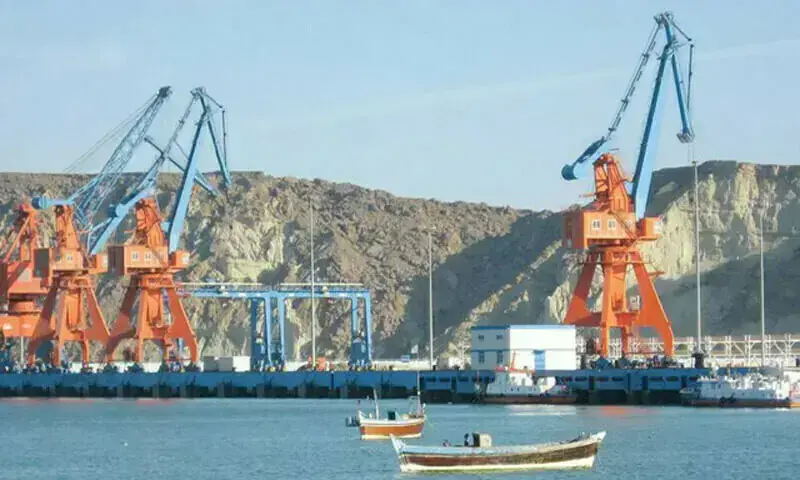
Iran eyes expanded economic cooperation with Pakistan via Karachi, Gwadar ports
Translated from English, summarized and contextualized by DistantNews.
At a glance
News
Official statement
New plan
- Iran seeks to boost economic ties with Pakistan, focusing on Karachi and Gwadar ports.
- Both nations are progressing on a free trade agreement and aim to operationalize joint border markets.
- Pakistan emphasizes creating a stable environment for private sector trade between the two countries.
Iran has expressed a strong interest in expanding its trade and economic cooperation with Pakistan, specifically utilizing the strategic ports of Karachi and Gwadar. This initiative was highlighted during a meeting in Islamabad between a delegation from Tehran and Pakistani business representatives.
Mohammad Atabak, Iran's Minister of Industry, Mine and Trade, led the Iranian delegation. He co-chaired the 10th session of the Pakistan-Iran Joint Trade Committee with Pakistan's Commerce Minister, Jam Kamal Khan. Atabak stated that Iran prioritizes comprehensive cooperation with Pakistan, referring to it as a "brotherly nation." He also noted that negotiations for the Iran-Pakistan free trade agreement are advancing well and expressed confidence in its successful conclusion soon.
Iran places the highest priority on expanding comprehensive cooperation, particularly with the brotherly nation of Pakistan.
In response, Jam Kamal Khan stressed the importance of operationalizing joint border markets to improve livelihoods in both countries. He observed that the private sectors in Pakistan and Iran share mutual trust and are prepared for increased trade. Khan affirmed that it is their government's duty to provide a seamless, structured, and predictable environment for these businesses.
Khan further emphasized the necessity of finalizing roadmaps that will elevate the economic partnership between Pakistan and Iran to new heights. The discussions signal a mutual desire to deepen bilateral economic relations, leveraging geographical proximity and shared interests.
It is our duty to provide them with a seamless, structured and predictable environment.
DistantNews Editorial
Originally published by Dawn in English. Translated, summarized, and contextualized by our editorial team with added local perspective. Read our editorial standards.
More Stories

From Our Blog

What Gets Lost (and Found) When News Is Translated

The Critical Role of Diaspora Media in Global News

What Travellers Should Know About Countries with Restricted Press

A Digital Nomad's Guide to Following Local News

How the Same Story Looks Different in Different Countries
