


Iran FM in Oman Amid Hormuz Tensions Following Shipping Attacks
Translated from English, summarized and contextualized by DistantNews.
At a glance
News
Sources not specified
Ongoing story
- Iran's Foreign Minister visited Oman for talks amid rising tensions over the Strait of Hormuz following attacks on commercial shipping.
- The discussions follow recent strikes by the U.S. on Iranian targets after three commercial vessels were attacked in Omani waters, with Washington blaming Tehran.
- Iran denies responsibility but warns ships not coordinated with it could face risks, as a shift to an Oman-backed shipping corridor angers hardliners.
Iranian Foreign Minister Abbas Araghchi arrived in Oman for crucial talks focused on the Strait of Hormuz, as international efforts intensify to prevent a renewed confrontation between Iran and the United States. The high-stakes discussions come in the wake of recent attacks on three commercial vessels in waters off Oman's coast.
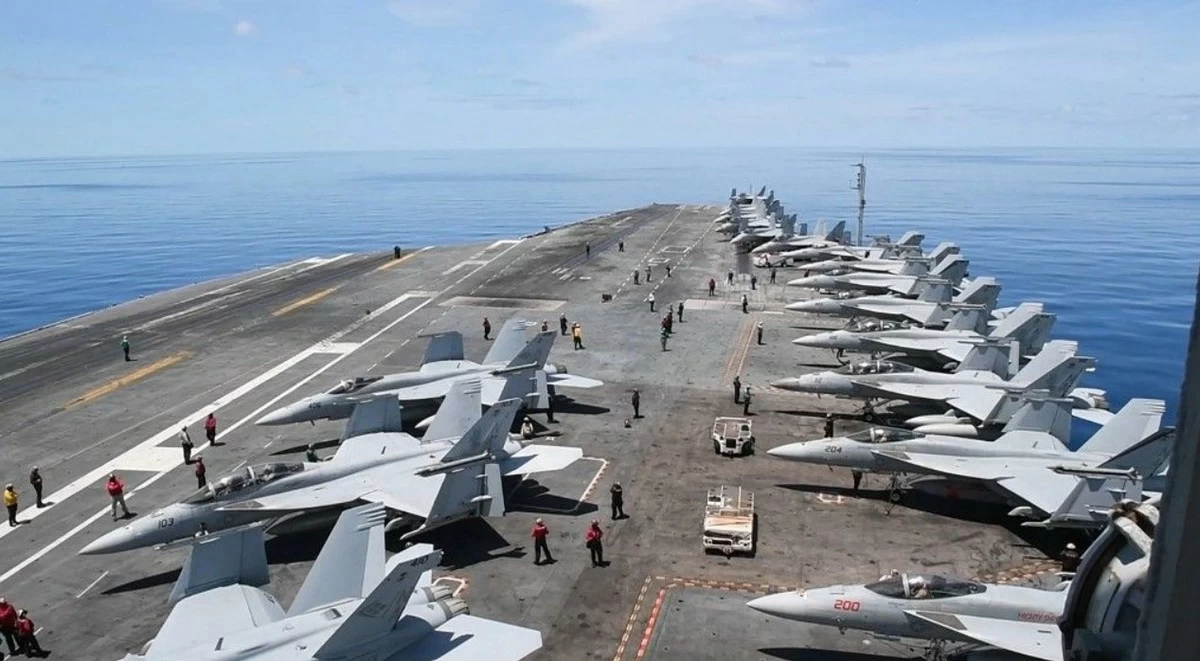
Washington accused Iranian forces of orchestrating the attacks and responded with strikes on Iranian coastal and naval targets. Tehran has denied responsibility for the assaults but issued a warning that vessels not using routes coordinated with Iran could encounter risks. This exchange has heightened concerns over maritime security in one of the world's most vital oil shipping lanes.
Adding to the tension, many commercial ships have recently opted for an Oman-backed southern shipping corridor instead of routes previously designated by Iran. This shift, occurring since a June ceasefire, has reportedly angered Iranian hardliners who perceive it as an erosion of Tehran's control and influence over navigation through the Strait of Hormuz.
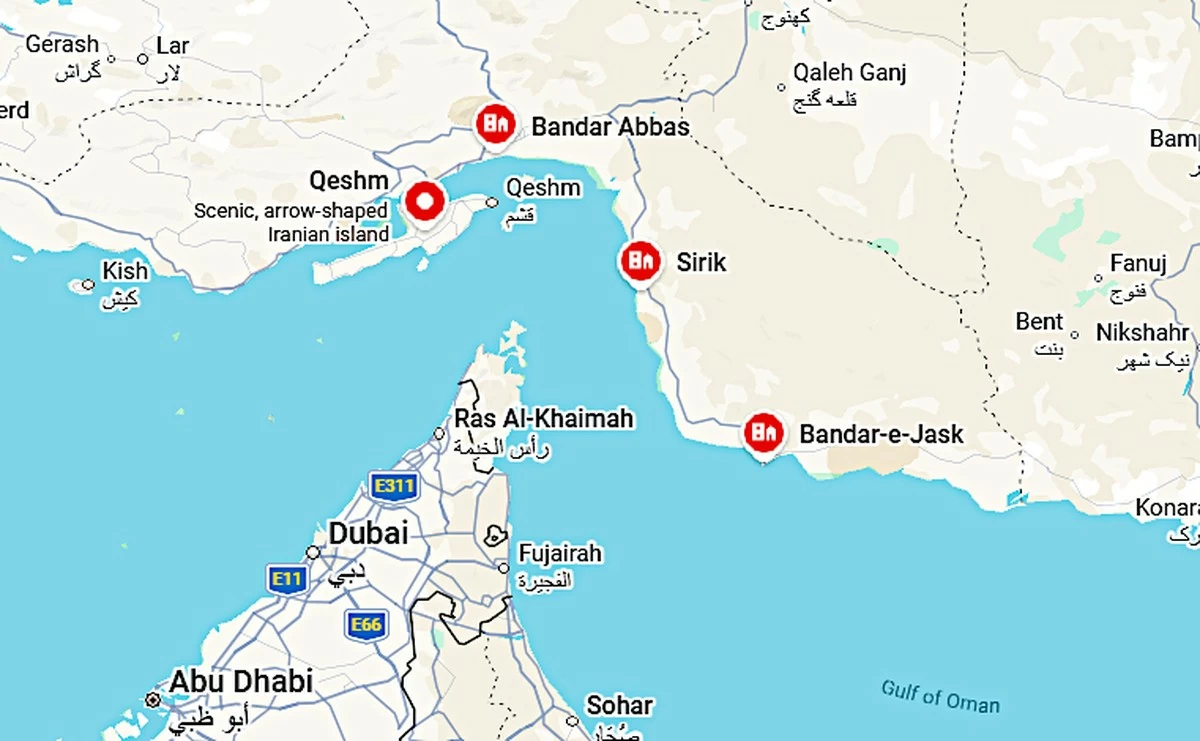
The Strait, a narrow waterway separating Iran from Oman's Musandam Peninsula, remains critical for global oil transport. International transit rights are in place to protect commercial navigation, but the recent incidents and diplomatic maneuvering underscore the fragility of the situation.
DistantNews Editorial
Originally published by Arab Times in English. Translated, summarized, and contextualized by our editorial team with added local perspective. Read our editorial standards.
More Stories

From Our Blog

What Gets Lost (and Found) When News Is Translated

The Critical Role of Diaspora Media in Global News

What Travellers Should Know About Countries with Restricted Press

A Digital Nomad's Guide to Following Local News

How the Same Story Looks Different in Different Countries
