

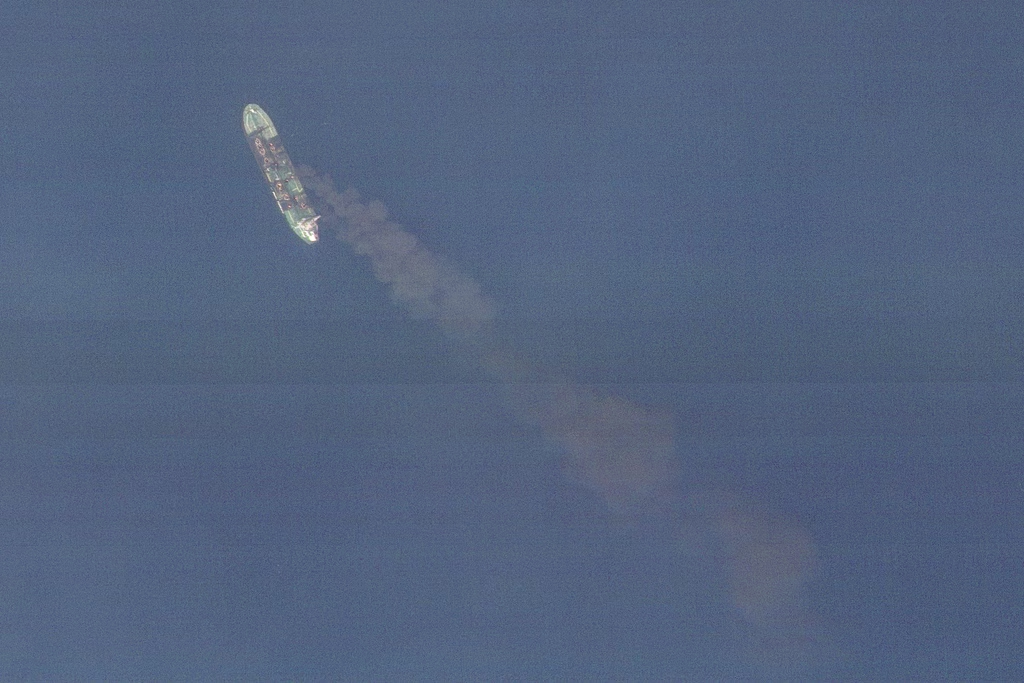

Iran Halts Gulf Attacks, Cites U.S. Bombing Halt as Reciprocity
Translated from Greek, summarized and contextualized by DistantNews.
At a glance
News
Named sources
Ongoing story
- Iran has halted attacks on neighboring Gulf countries, stating it is retaliating against U.S. bombings of Iranian territory.
- The Iranian military spokesperson indicated that Tehran's strategy is based on reciprocity, ceasing operations after the U.S. stopped its attacks.
- U.S. media reports suggest a potential ammunition shortage, while officials express concerns about dwindling Patriot missile defense systems in the Gulf.
Iran has ceased its attacks against neighboring Gulf countries, attributing the decision to the United States halting its bombings of Iranian territory. The Iranian military spokesperson, Mohammad Akraminia, stated on state television that Tehran's strategy is fundamentally based on reciprocity. "Over the past two nights, the Americans stopped their attacks. As our strategy is essentially based on reciprocity, we also stopped our operations," Akraminia announced.
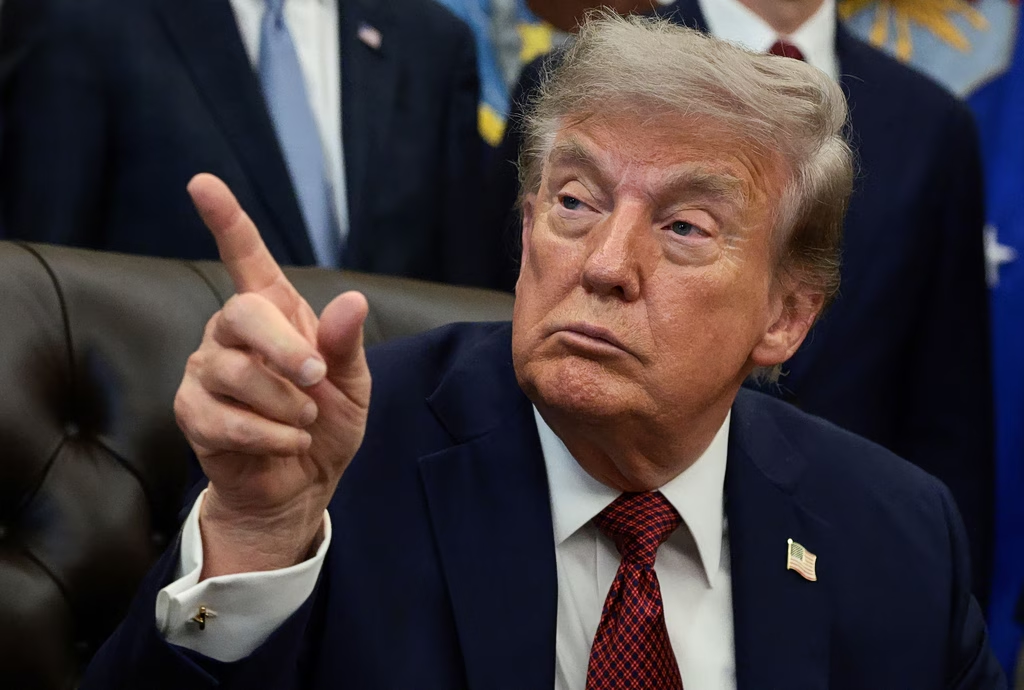
Reports from U.S. media outlets suggest a possible shortage of ammunition following nearly five months of conflict. Despite President Donald Trump's earlier statement not ruling out larger-scale bombings, a de-escalation of hostilities has been observed after two weeks of intense attacks following an April ceasefire. Simultaneously, Trump has assured that dialogue with Tehran has not been interrupted.
Over the past two nights, the Americans stopped their attacks. As our strategy is essentially based on reciprocity, we also stopped our operations.
According to The New York Times, citing two sources familiar with the matter, the U.S. administration is concerned about the depletion of Patriot missile defense systems and other defensive equipment protecting Gulf nations targeted by Iran. The report also indicates fears of further escalation of the conflict. CNN, referencing a U.S. Department of Defense source, similarly reported that military operations against Iran are "on pause" for the same reasons.
Akraminia commented that the United States finds itself in a "difficult and unstable" situation, likely seeking a new strategy, particularly two days before the visit of Israeli Prime Minister Benjamin Netanyahu, a proponent of a "hard line," to Washington. This complex geopolitical landscape suggests a period of strategic reassessment for all parties involved.
difficult and unstable
DistantNews Editorial
Originally published by Ta Nea in Greek. Translated, summarized, and contextualized by our editorial team with added local perspective. Read our editorial standards.
More Stories
From Our Blog

What Gets Lost (and Found) When News Is Translated

The Critical Role of Diaspora Media in Global News

What Travellers Should Know About Countries with Restricted Press

A Digital Nomad's Guide to Following Local News

How the Same Story Looks Different in Different Countries
