

Iran issues demands for reopening of Hormuz
Summarized and contextualized by DistantNews.
At a glance
News
From a news agency
Context piece
- Iran has set preconditions for reopening the Strait of Hormuz, including compensation for war damages.
- The waterway has been under an effective blockade by Iran since late February, with Tehran demanding tolls for passage.
- Security officials outlined demands including an end to aggression against Iran and its allies, lifting sanctions, and releasing frozen assets.
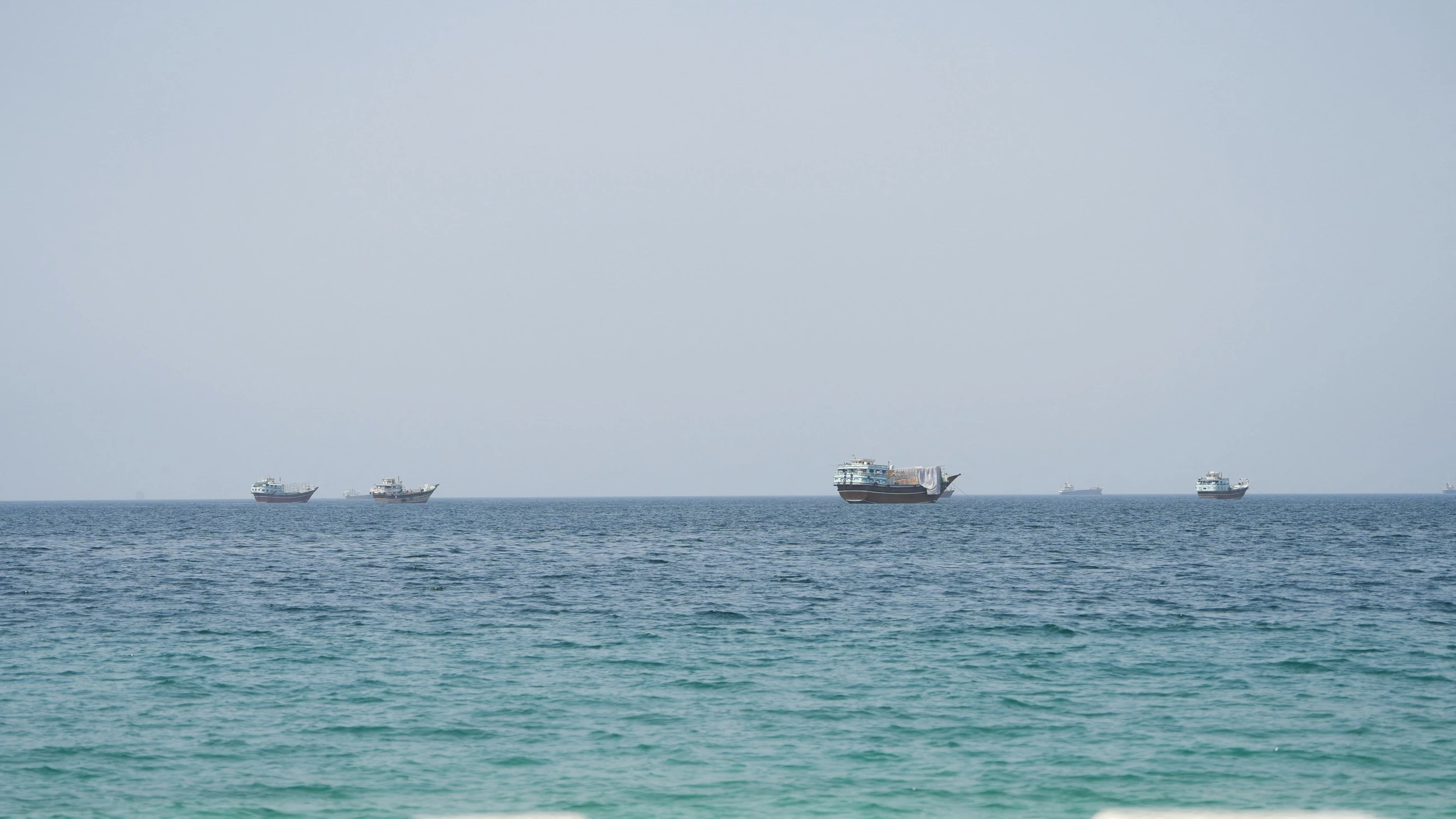
Iran has outlined a series of preconditions for reopening the vital Strait of Hormuz, complicating potential negotiations over the crucial global trade route. Tehran has maintained an effective blockade of the strait since late February, following military actions by the United States and Israel. Iran is demanding tolls for passage and has targeted ships it accuses of attempting to bypass its preferred routes.
is subject to other conditions and compensation for the violation
The continued disruptions in the strait, which was freely navigable before the recent conflict, led to the collapse of an April ceasefire. Mediators have been urging both sides to adhere to a June memorandum. Iranian Foreign Minister Abbas Araghchi indicated that discussions with Oman regarding the strait's transit and management are nearing completion. However, he stressed that reopening Hormuz depends on "other conditions and compensation for the violation" of the June agreement.
is subject to other conditions and compensation for the violation
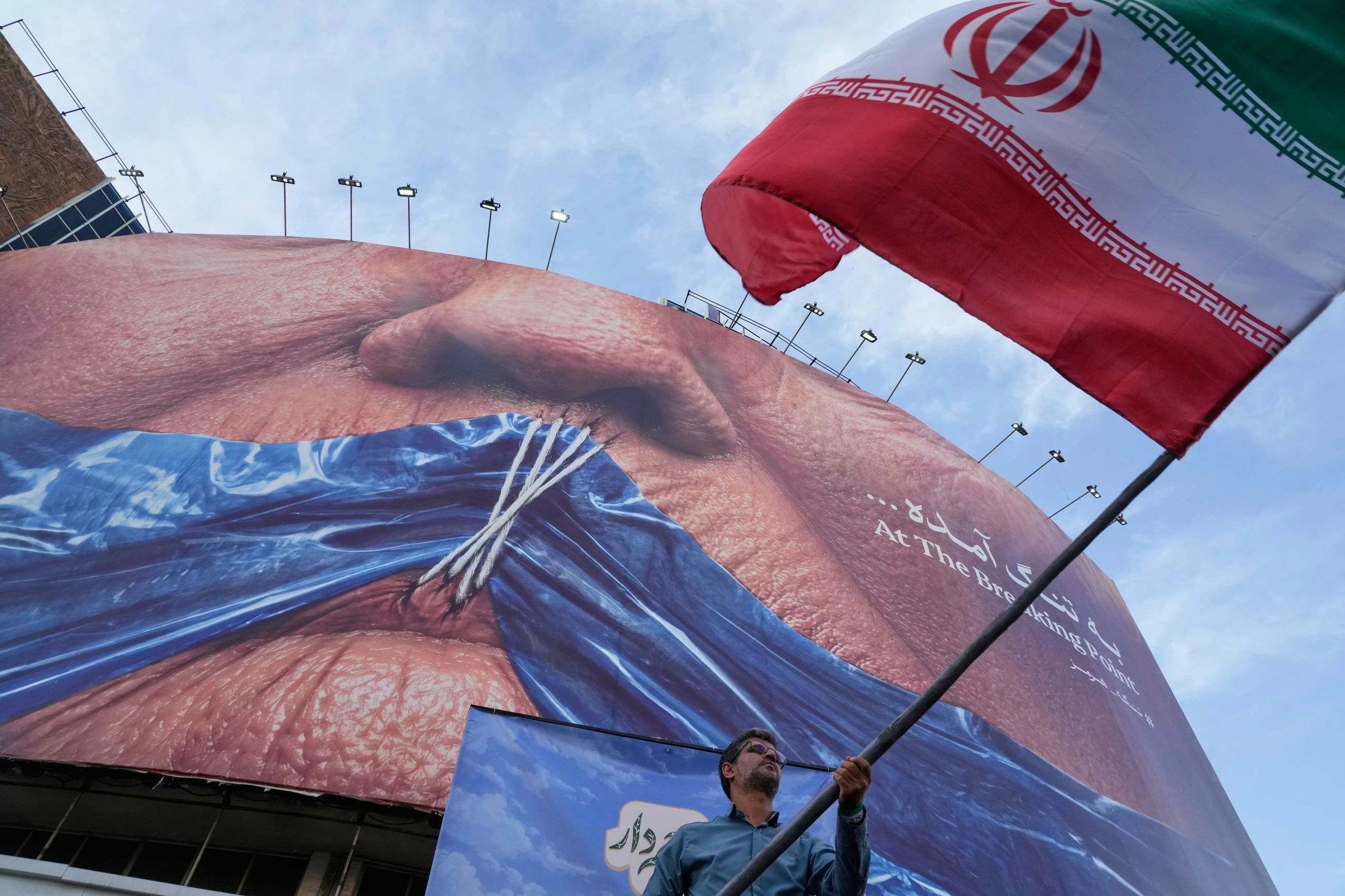
Security chief Mohammad Bagher Zolghadr detailed a list of demands, including an immediate cessation of "war and aggression against Iran and its allies in Lebanon, Palestine, Yemen, and Iraq." Further demands encompass the lifting of a parallel U.S. naval blockade, the termination of sanctions, the release of frozen financial assets, and compensation for wartime damages. Iran's Revolutionary Guards asserted that the reopening of Hormuz is independent of Iran-Oman negotiations, stating the "enemy is forced to accept Iran's conditions."
is subject to other conditions and compensation for the violation
DistantNews Editorial
Originally published by Gulf Today. Summarized and contextualized by our editorial team with added local perspective. Read our editorial standards.
More Stories

From Our Blog

What Gets Lost (and Found) When News Is Translated

The Critical Role of Diaspora Media in Global News

What Travellers Should Know About Countries with Restricted Press

A Digital Nomad's Guide to Following Local News

How the Same Story Looks Different in Different Countries
