

Iran launches fresh attacks on American infrastructure in Gulf after sixth consecutive day of US strikes
Summarized and contextualized by DistantNews.
At a glance
News
Official statement
Ongoing story
- Iran launched new attacks on U.S. facilities in the Gulf following six consecutive nights of U.S. strikes on Iranian military sites, escalating recent hostilities.
- The U.S. military confirmed strikes on Iranian targets, including Qeshm Island and near Bandar Abbas, aiming to degrade Iranian military capabilities.
- The ongoing conflict has disrupted shipping in the Strait of Hormuz, a critical global energy route, and is causing a rise in global energy prices.
Tensions have flared in the Persian Gulf as Iran announced fresh attacks on U.S. facilities, countering a sixth consecutive night of U.S. airstrikes on Iranian military installations. This escalation marks a significant downturn from a recent truce, devolving into daily exchanges of fire.
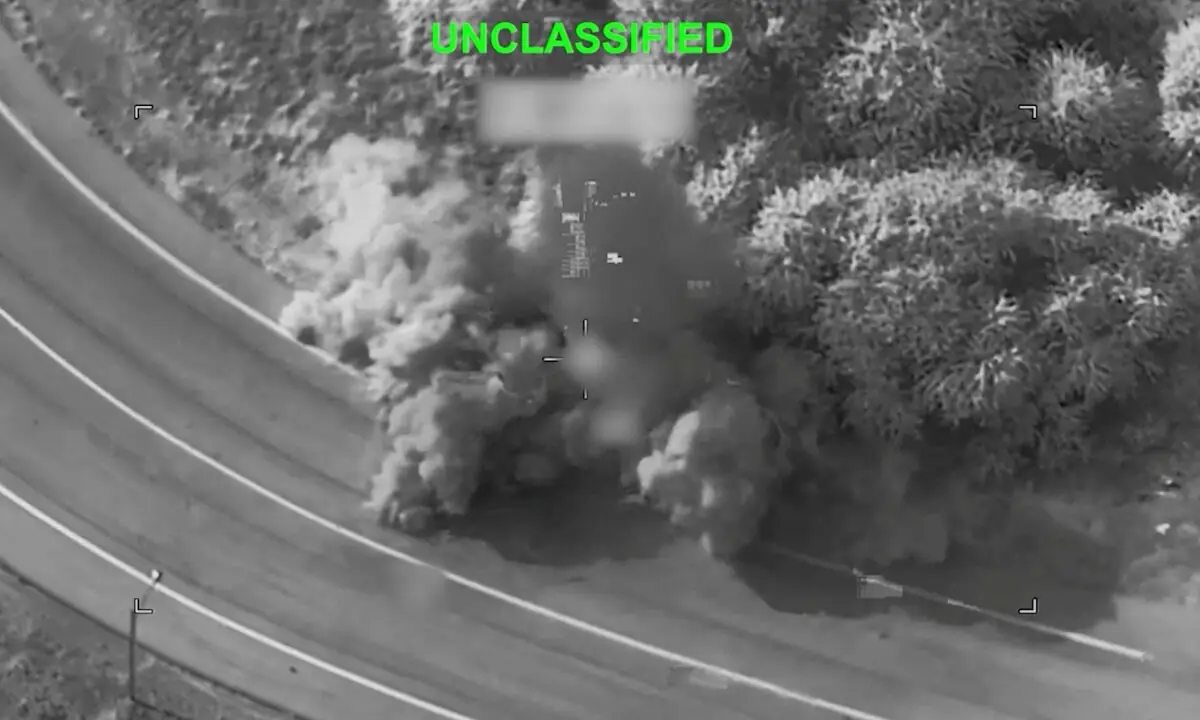
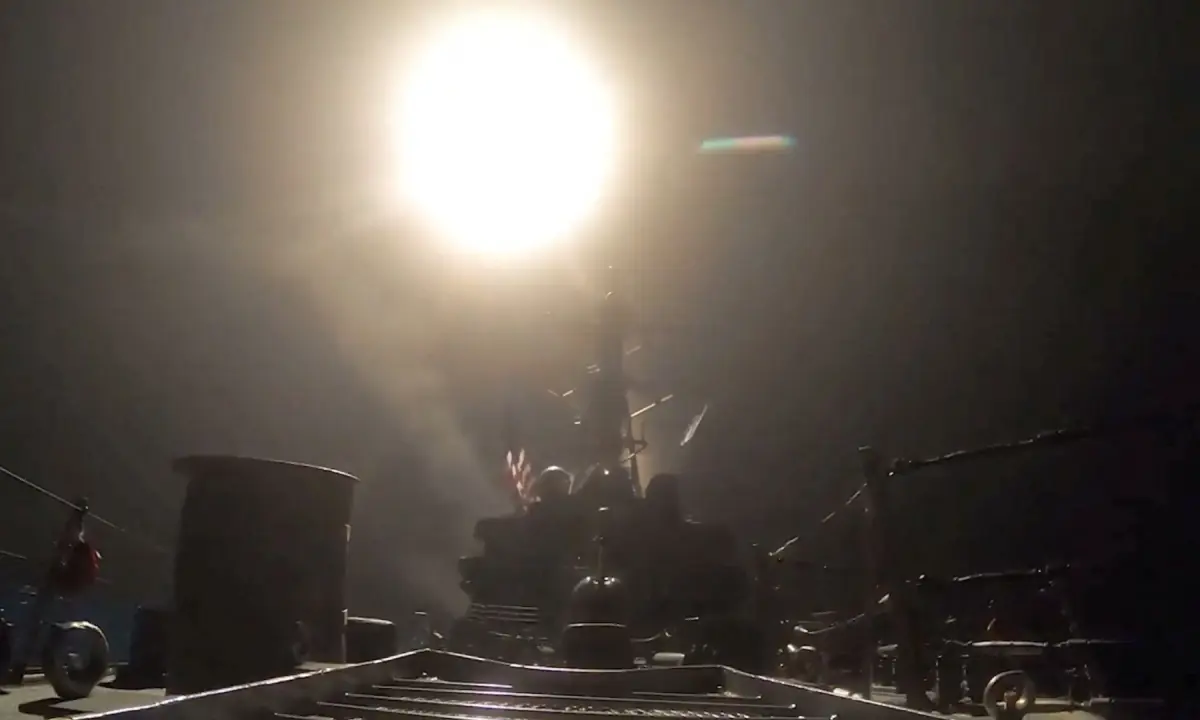
The U.S. military stated its forces conducted strikes on numerous Iranian military targets, including coastal surveillance and air defense sites, as well as military logistics and maritime facilities. These operations, involving fighter jets, drones, and warships, specifically targeted areas like Qeshm Island and near Bandar Abbas, which houses Iran's primary port and key naval and Revolutionary Guards bases.
US forces, including fighter jets, aerial drones, and warships, launched precision munitions that hit dozens of Iranian military targets such as coastal surveillance and air defense sites, military logistics infrastructure, and maritime capabilities.
Iran has responded by firing missiles and drones at U.S. military bases in neighboring countries, including an air base in Jordan. Early Friday, Iran's military claimed to have attacked U.S. facilities in Bahrain and Kuwait. In Qatar's capital, Doha, explosions were heard, and the Interior Ministry reported a child was injured by shrapnel.
US President Donald Trump would not “sit by and allow these active acts of terrorism to take place in the strait without ensuring Iran pays consequences for that”.
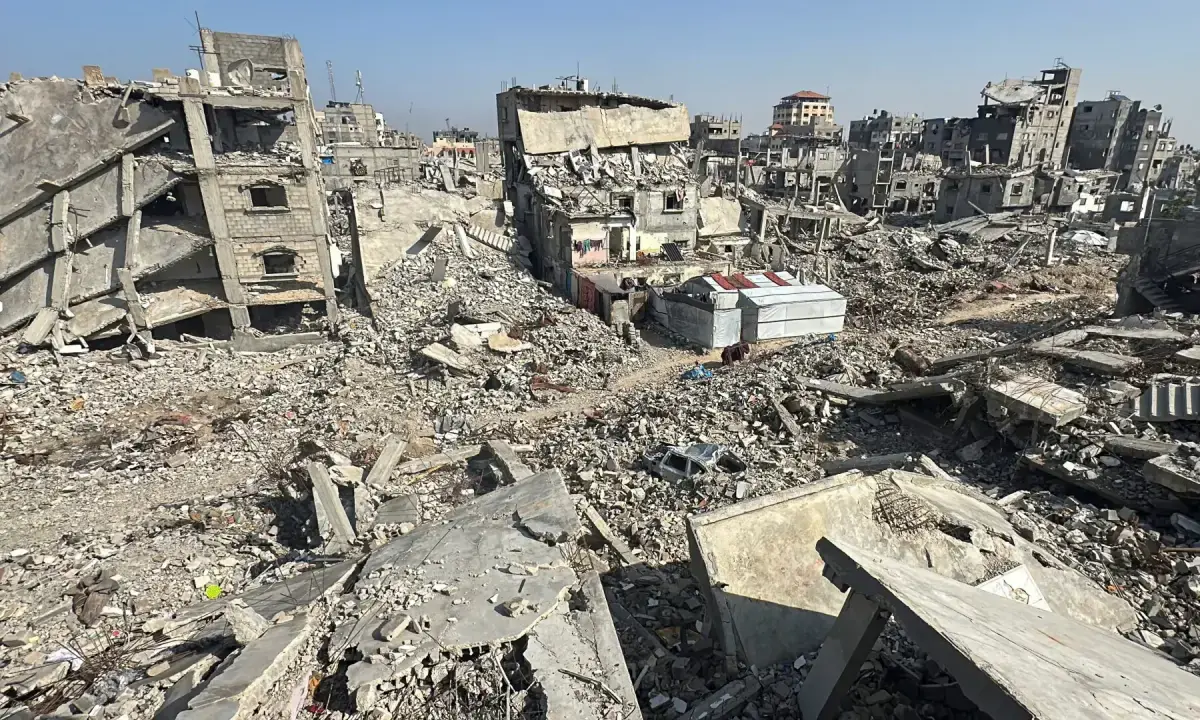
Iranian media reported that U.S. strikes hit several bridges, a train station, and an airport, resulting in seven fatalities in Bandar Khamir. The ongoing conflict has severely impacted maritime traffic through the Strait of Hormuz, the world's most vital shipping lane for oil and gas, leading to a surge in global energy prices. Iran has also signaled potential action against the Bab al-Mandeb strait in the Red Sea if U.S. infrastructure attacks continue.
White House Press Secretary Karoline Leavitt affirmed that President Donald Trump would not tolerate these "acts of terrorism" and would ensure Iran faces consequences, while also stating the president remains open to diplomacy. Iran, however, insists on controlling traffic through the Strait of Hormuz, proposing passage fees after a negotiation period. The U.S. military maintains its airstrikes aim to cripple Iran's ability to control the strait, a claim Iran disputes, asserting it can strike the waterway from anywhere within its territory.
this would not work because Iran could strike the strait from anywhere on its territory.
DistantNews Editorial
Originally published by Dawn. Summarized and contextualized by our editorial team with added local perspective. Read our editorial standards.
More Stories
From Our Blog

What Gets Lost (and Found) When News Is Translated

The Critical Role of Diaspora Media in Global News

What Travellers Should Know About Countries with Restricted Press

A Digital Nomad's Guide to Following Local News

How the Same Story Looks Different in Different Countries
