

Iran Lawmaker: Released US Deal Matches Criticized Draft; Speaker Claims Victory Over US, Israel
Translated from English, summarized and contextualized by DistantNews.
At a glance
News
Sources not specified
Context piece
- An Iranian lawmaker stated the released US-Iran memorandum text is identical to a criticized draft, indicating unresolved concerns.
- Parliament Speaker Mohammad-Bagher Ghalibaf declared Iran's recent conflict with the US and Israel a victory, claiming Tehran thwarted their objectives.
- Ghalibaf described Iran's negotiation strategy as
TEHRAN – An Iranian lawmaker asserted on Wednesday that the officially published text of a US-Iran memorandum is precisely the same as a draft that had drawn criticism, suggesting that the concerns raised by opponents remain unaddressed. Mahmoud Nabavian stated the document was "exactly the same" as the version previously circulated among critics, implying that the warned-about issues persist.
The published document was “exactly the same” as the earlier version circulated among critics, suggesting that the issues they had warned about were still present.
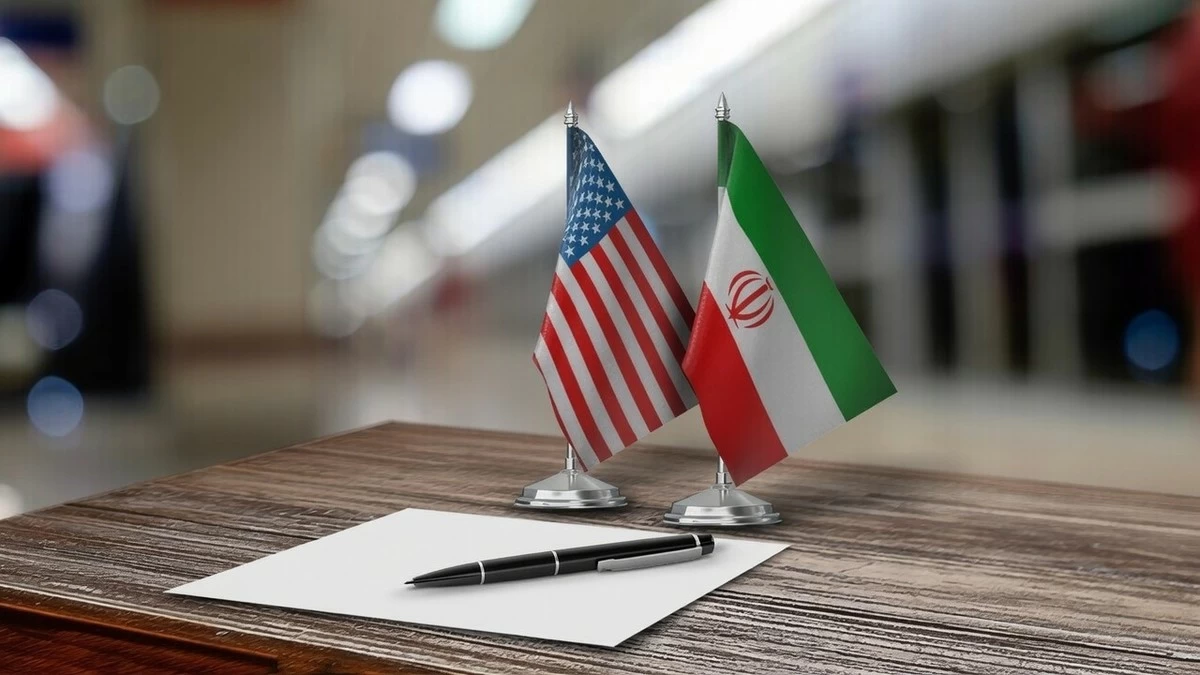
These remarks followed the United States' release of a 14-point memorandum outlining a framework for ending hostilities, reopening the Strait of Hormuz, easing sanctions, and initiating broader negotiations between Washington and Tehran. Simultaneously, Iran's Parliament Speaker and chief negotiator, Mohammad-Bagher Ghalibaf, characterized the recent conflict with the United States and Israel as a triumph for Iran. He claimed Tehran successfully prevented Washington and Jerusalem from achieving their initial objectives.
The recent war was a war between the front of truth and falsehood.
Ghalibaf, speaking on Iranian state television, referred to the conflict as a "war between the front of truth and falsehood." He asserted that Iran "did not allow the United States and Israel to achieve the nine goals they set out from the start of the war," though he did not specify these goals. He further elaborated on Iran's negotiation approach, calling it "diplomacy of power" and suggesting that talks themselves could function as a form of resistance.
We did not allow the United States and Israel to achieve the nine goals they set out from the start of the war.
Reiterating his deep skepticism toward the United States, Ghalibaf identified himself as one of the most distrustful individuals regarding Washington's intentions. He recounted telling US Vice President JD Vance that he possessed "not the slightest trust" in him. These statements underscore internal divisions within Iran regarding the agreement, with proponents framing it as a strategic success while critics continue to scrutinize its terms and potential ramifications for Tehran's nuclear program, regional policies, and future US relations.
When I talk about negotiation and diplomacy, I mean diplomacy of power.
DistantNews Editorial
Originally published by Arab Times in English. Translated, summarized, and contextualized by our editorial team with added local perspective. Read our editorial standards.
More Stories
From Our Blog

What Gets Lost (and Found) When News Is Translated

The Critical Role of Diaspora Media in Global News

What Travellers Should Know About Countries with Restricted Press

A Digital Nomad's Guide to Following Local News

How the Same Story Looks Different in Different Countries
