


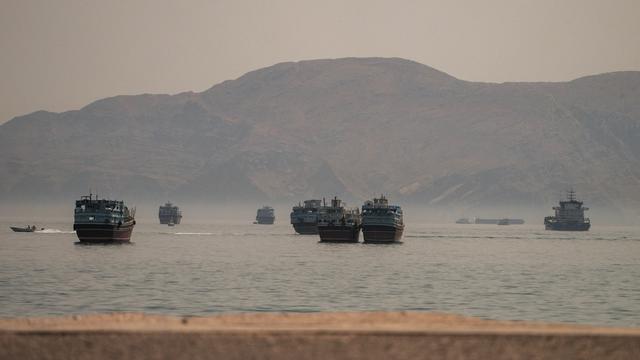
Iran Mandates Ship Registration, Potential Insurance for Strait of Hormuz Passage
Translated from German, summarized and contextualized by DistantNews.
At a glance
News
Named sources
Ongoing story
- Iran has introduced new regulations for ships transiting the Strait of Hormuz, requiring registration and potentially insurance.
- These rules may aim to impose fees on passage, potentially undermining a US-Iran interim agreement.
- Shipping traffic through the strait has recently increased, though still below pre-war levels.
Iran has implemented new regulations for maritime traffic in the Strait of Hormuz, demanding that shipowners register at least 48 hours before transiting the vital waterway. A newly established authority will oversee this process. While registration is a known requirement, recent announcements suggest that mandatory insurance could also be imposed, potentially leading to fees for passage. Observers interpret these moves as Iran's attempt to generate revenue from shipping, which could conflict with the spirit of a preliminary framework agreement between the US and Iran aimed at ending the conflict. This agreement reportedly stipulates free and unimpeded passage through the strait. The Financial Times, citing informed sources, also reported on emerging new insurance conditions in the Strait of Hormuz. Meanwhile, shipping traffic through the Strait of Hormuz has seen a notable increase in recent months. Data from AXSMarine indicates the strongest rise in transits over the past two months. On Thursday, 25 ships reportedly passed through, a significant increase from the over one hundred daily transits before the conflict erupted. However, the extent to which Iran may have laid naval mines in the area remains unclear, with a Guardian report citing an expert who suggested around 80 mines might have been deployed in the strait. The US and Iran reached a framework agreement on Monday after two months of negotiations, which was signed by President Donald Trump and Iranian President Massud Peseschkian on Thursday. The agreement aims to halt further military engagements between the two nations and prevent actions like Hezbollah's attacks on Israel. Despite this, reciprocal attacks occurred, leading to a ceasefire agreement on Friday afternoon. This framework is considered an interim step, with detailed discussions on issues like the nuclear dispute scheduled over a 60-day negotiation period. However, talks planned for Friday were postponed, with Lebanese media, citing Iranian government sources, attributing the delay to recent attacks.
DistantNews Editorial
Originally published by Die Zeit in German. Translated, summarized, and contextualized by our editorial team with added local perspective. Read our editorial standards.
More Stories


From Our Blog

What Gets Lost (and Found) When News Is Translated

How the Same Story Looks Different in Different Countries

The Critical Role of Diaspora Media in Global News

What Travellers Should Know About Countries with Restricted Press

A Digital Nomad's Guide to Following Local News
