


Iran Nears Deal with Oman on Strait of Hormuz Transit Route, Blames U.S. for Closure
Translated from Spanish, summarized and contextualized by DistantNews.
At a glance
News
Named sources
Ongoing story
- Iran's Foreign Ministry stated it is close to an agreement with Oman on a new transit route for ships in the Strait of Hormuz.
- The proposed route is neither northern nor southern, respecting sovereign rights and national interests, according to a ministry spokesperson.
- Tehran blames the U.S. for the strait's closure, citing its unfulfilled commitments and hostile measures.
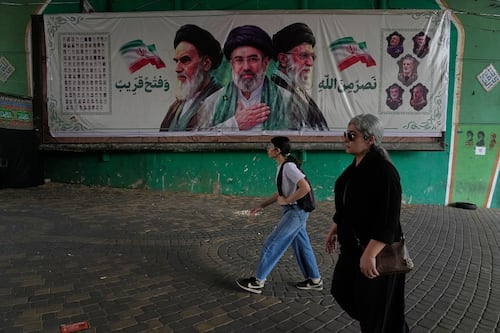
Iran's Foreign Ministry announced Sunday that the country is nearing an agreement with Oman concerning a new transit route for vessels navigating the Strait of Hormuz. The proposed route aims to be mutually acceptable, avoiding extreme northern or southern paths while upholding the sovereign rights and national interests of both nations, stated spokesperson Esmail Baqai in a state television interview.
Details of the agreement were not provided, but Baqai emphasized that this accord is separate from the broader issue of whether the Strait of Hormuz will reopen or remain closed. Iran has maintained de facto control over the strategic waterway, which previously handled approximately 20% of global oil consumption, since the conflict began on February 28.
Earlier reports from the state agency IRNA, citing Foreign Minister Abbas Araqchi, indicated that negotiations with Oman, the other littoral state of the strait, were progressing well and were in their final stages. Oman has not yet issued any official statements regarding these developments.
Tehran attributes the closure of the Strait of Hormuz to the United States, citing America's failure to meet its commitments, its naval blockade of Iran, and various hostile actions taken against the Islamic Republic. A previous agreement between Iran and the U.S. in mid-June, intended to end months of hostilities, reportedly collapsed due to mutual accusations of violations.
This breakdown led to U.S. bombings against Iran and retaliatory attacks by Tehran on several Middle Eastern countries. In the U.S., President Donald Trump stated he would order American forces to refrain from further attacks on Iran and claimed that his Middle Eastern allies had agreed on the framework for ending the war after five months. Trump indicated on social media that the emerging agreement includes the "IMMEDIATE, COMPLETE AND TOTAL OPENING OF THE STRAIT OF HORMOZ, and the end of Iran's nuclear threat," adding that he canceled the attack "SUBJECT TO THE QUICKLY FINALIZED DEAL."
DistantNews Editorial
Originally published by El Universal in Spanish. Translated, summarized, and contextualized by our editorial team with added local perspective. Read our editorial standards.
More Stories


From Our Blog

What Press Freedom Means for the News You Read

What Gets Lost (and Found) When News Is Translated

The Critical Role of Diaspora Media in Global News

What Travellers Should Know About Countries with Restricted Press

A Digital Nomad's Guide to Following Local News
