


Iran, Oman Agree on Strait of Hormuz Shipping Routes; Control Issues Remain
Translated from Korean, summarized and contextualized by DistantNews.
At a glance
News
Named sources
Context piece
- Iran and Oman have reached an agreement on the geographic coordinates for shipping routes in the Strait of Hormuz.
- The deal, pending final joint announcement, could grant Iran significant control over vessels entering the Persian Gulf.
- Key details regarding implementation, surveillance, and potential fees remain to be finalized, with the US maintaining its stance on free passage.
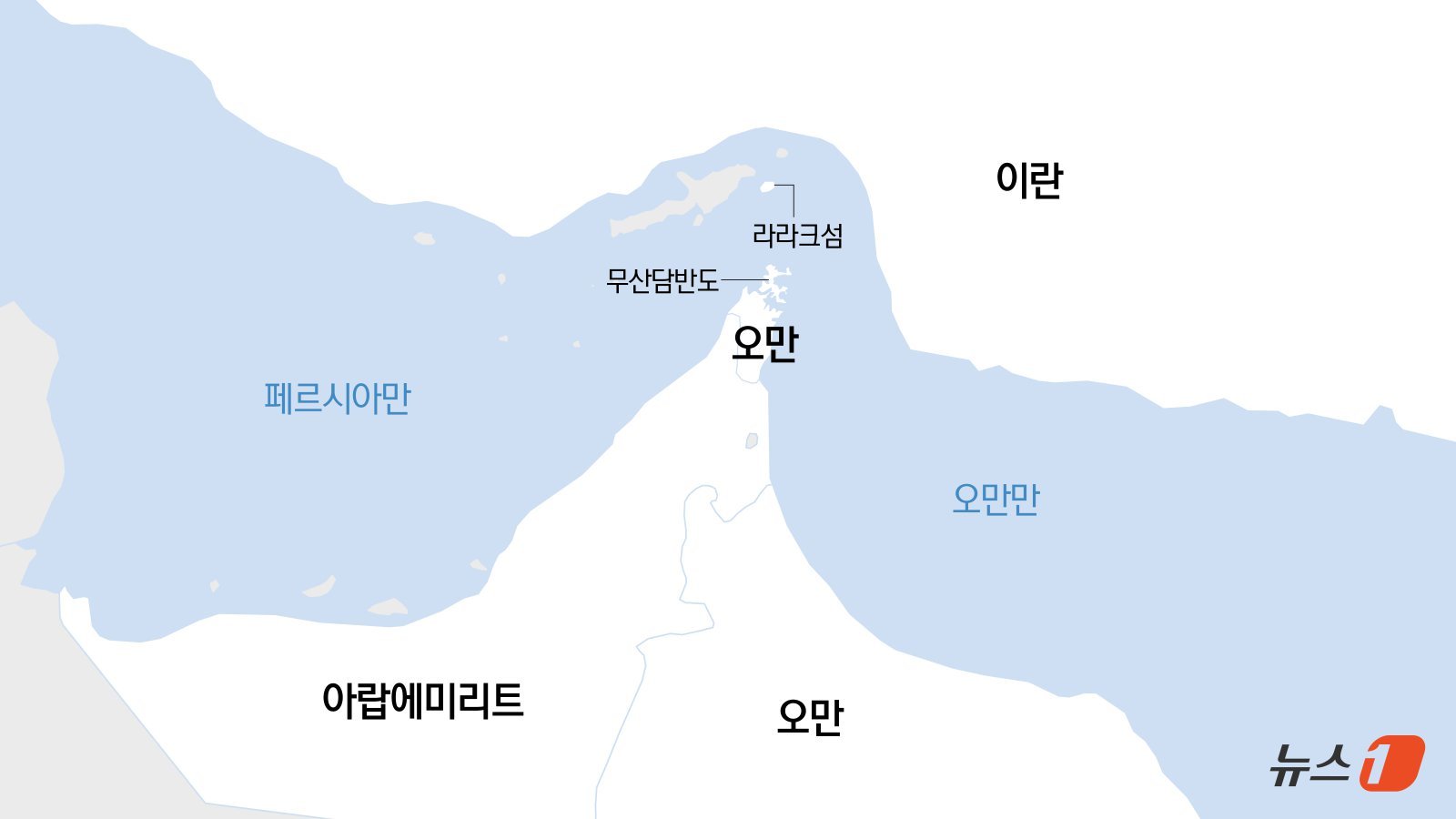
Iran and Oman have reportedly agreed on the geographic coordinates for maritime traffic routes within the Strait of Hormuz, a critical chokepoint for global oil transport. Iran's Foreign Ministry announced on August 5 that both nations have achieved mutual understanding on the parameters and general framework for these operational routes.
An official spokesperson for Iran's Foreign Ministry described the negotiations as "professional and progressive." He indicated that a joint statement detailing the main considerations and core agreements is in the final review stage, provided there is no third-party interference. However, the spokesperson cautioned that this bilateral agreement alone does not guarantee complete security for the entire strait.
If there are no third-party interferences, the final announcement will be made.
This potential deal could grant Iran substantial influence over vessels transiting the Strait of Hormuz into the Persian Gulf. Sources suggest this might represent a significant concession obtained by Iran. The agreement reportedly involves ships heading into the Gulf using Iranian-controlled routes, while those exiting would use Omani routes.
The negotiations between the two countries proceeded in a professional and progressive manner.
Despite the progress, significant details remain unresolved. These include the exact scope of vessels affected, the procedures for surveillance and approval by Iran and Oman, mine clearance, escort services, and whether service fees would be voluntary. The United States insists on unimpeded passage without Iranian approval or fees, while Iran asserts its right as a coastal state to manage security and sovereignty, framing potential charges as payment for services like navigation assistance and security.
Reports indicate that while the agreement is progressing, crucial details still need to be settled. This complexity means that even after a joint statement, the immediate normalization of passage is not guaranteed, as shipping companies and insurers will weigh the final terms and risks.
This bilateral agreement alone cannot guarantee complete security for the entire strategic waterway.
DistantNews Editorial
Originally published by Dong-A Ilbo in Korean. Translated, summarized, and contextualized by our editorial team with added local perspective. Read our editorial standards.
More Stories



From Our Blog

What Gets Lost (and Found) When News Is Translated

The Critical Role of Diaspora Media in Global News

What Travellers Should Know About Countries with Restricted Press

A Digital Nomad's Guide to Following Local News

How the Same Story Looks Different in Different Countries
