


Iran Rejects Oman's Strait of Hormuz Joint Management Plan, Seizes Tankers
Translated from Turkish, summarized and contextualized by DistantNews.
At a glance
News
Sources not specified
Ongoing story
- Iran rejected Oman's proposal for joint management of the Strait of Hormuz, asserting its exclusive control over the waterway's entrance.
- Tehran stated that a 50-50 management model would not serve Iran's interests.
- The Iranian Revolutionary Guard Corps announced it had fired upon and seized three oil tankers for allegedly ignoring warnings.
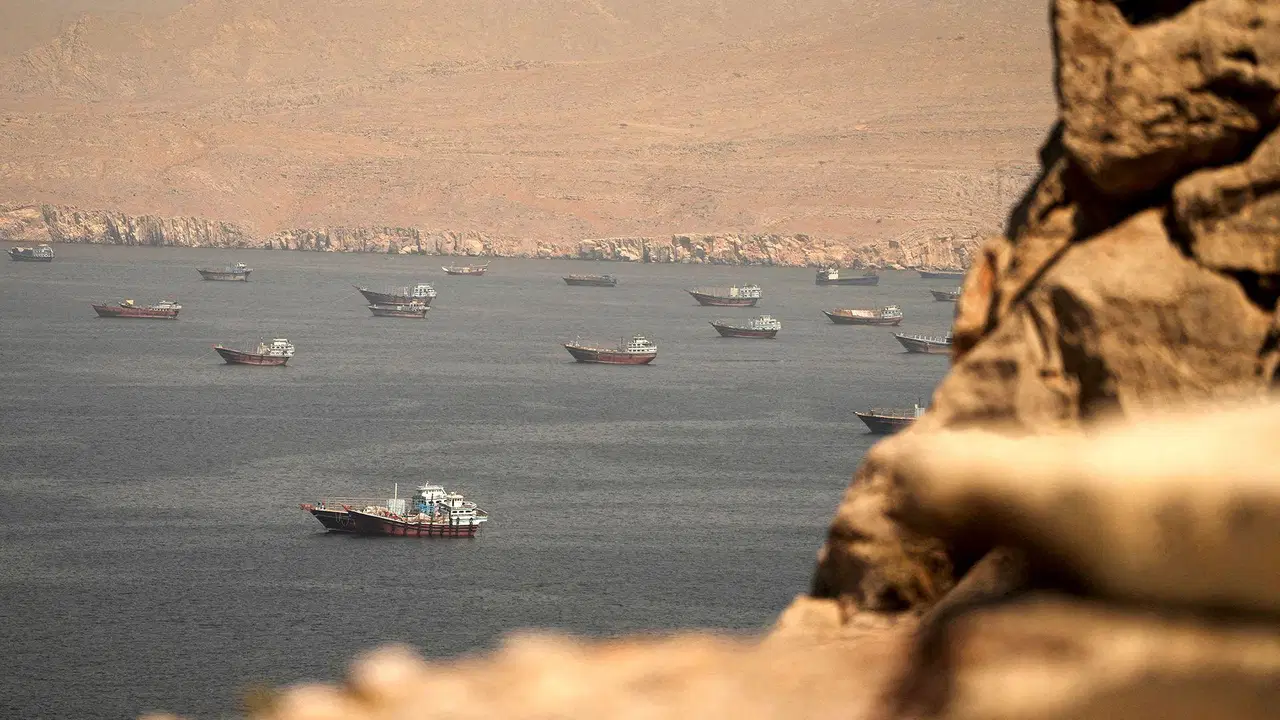
Iran has rejected a proposal by Oman for the joint management of the Strait of Hormuz, a critical chokepoint for global oil transport.
Tehran insists that the entire entrance route of the strait must remain under its sole control. Iranian officials stated that a 50-50 management model would not align with the country's interests, signaling a firm stance on sovereignty over the strategic waterway.
The rejection comes amidst heightened tensions in the region. The Iranian Revolutionary Guard Corps announced it had fired upon and seized three oil tankers. The corps claimed the vessels were targeted for allegedly ignoring warnings, though details about the tankers' origins or destinations were not immediately clear.
The Strait of Hormuz, located between Iran and Oman, is one of the world's most vital shipping lanes. Approximately 30% of the world's seaborne oil trade passes through it, making any disruption a significant concern for global energy markets.
DistantNews Editorial
Originally published by Cumhuriyet in Turkish. Translated, summarized, and contextualized by our editorial team with added local perspective. Read our editorial standards.
More Stories



From Our Blog

What Gets Lost (and Found) When News Is Translated

The Critical Role of Diaspora Media in Global News

What Travellers Should Know About Countries with Restricted Press

A Digital Nomad's Guide to Following Local News

How the Same Story Looks Different in Different Countries
