


Iran renews attacks on Gulf states after another night of US strikes
Summarized and contextualized by DistantNews.
At a glance
News
Named sources
Ongoing story
- Iran launched renewed attacks on U.S. Gulf allies following a seventh consecutive night of U.S. strikes targeting Iranian military sites, escalating conflict after a ceasefire collapsed.
- Both nations targeted shipping traffic, with the U.S. enforcing a naval blockade and Iran claiming to target vessels violating its rules in the Strait of Hormuz.
- Oil prices surged over 4% due to the escalating tensions, impacting U.S. President Trump ahead of November congressional elections.
Iran launched renewed attacks on U.S. Gulf allies Saturday after a seventh straight night of U.S. strikes against Iranian military targets, significantly escalating the conflict just a week after a fragile ceasefire agreement disintegrated.
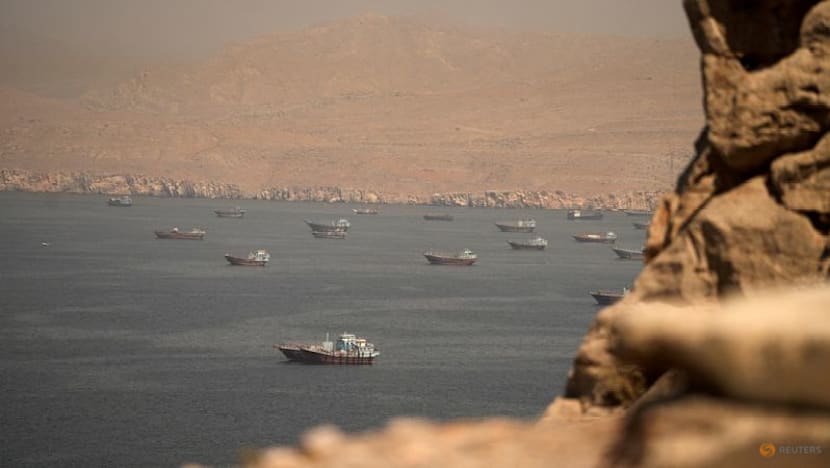
The conflict intensified as both sides targeted shipping traffic. The U.S. stated it was enforcing a naval blockade, while Iran claimed to have targeted vessels that violated its navigation rules in the Strait of Hormuz, a critical waterway for one-fifth of global oil supply.
These escalating tensions sent oil prices climbing more than 4% on Friday, reaching their highest level in over a month. This surge in oil prices adds political pressure on U.S. President Donald Trump as his Republican Party prepares for the November congressional elections.
U.S. forces employed fighter aircraft, aerial drones, and warships in addition to other assets. More than 50,000 American service members are operating across the Middle East and remain vigilant, lethal, and ready.
Washington and Tehran have been testing each other's limits since their ceasefire agreement collapsed last week, raising fears of a return to full-scale war. The U.S. military's Central Command reported concluding its latest strikes on surveillance sites, military logistics infrastructure, underground weapons storage, and maritime capabilities, utilizing fighter aircraft, drones, and warships.
Iranian media reported missile strikes on power facilities and desalination pumps in the southern city of Jask, leading to a cutoff of drinking water in nearby villages. The U.S. military stated its forces redirected four commercial vessels, disabled one, and boarded another to enforce its blockade. Iran's Revolutionary Guards claimed to have stopped four vessels violating shipping rules in the strait using a missile and drone operation. They also reported two oil tankers exploded and caught fire after passing through a mined route south of the strait, a claim the U.S. military labeled false. The seizure of another vessel off Yemen further heightened concerns over security in the Red Sea, another major oil shipping chokepoint.
Until U.S. 'aggression' comes to an end, it will not be possible to export chemical fertilizers or even a 'single drop of oil and gas' from the region.
DistantNews Editorial
Originally published by The Straits Times. Summarized and contextualized by our editorial team with added local perspective. Read our editorial standards.
More Stories


From Our Blog

What Gets Lost (and Found) When News Is Translated

The Critical Role of Diaspora Media in Global News

What Travellers Should Know About Countries with Restricted Press

A Digital Nomad's Guide to Following Local News

How the Same Story Looks Different in Different Countries
