

Iran's 'Cold Water Offensive': Refuses Geneva Signing, Plans Khamenei Funeral on US Independence Day
Translated from Korean, summarized and contextualized by DistantNews.
At a glance
News
Sources not specified
Context piece
- Iran's 'cold water offensive' involves refusing to sign an agreement in Geneva and planning a funeral ceremony for Supreme Leader Khamenei on the US's 250th Independence Day.
- This move signals a potential escalation or strategic maneuver by Iran in its diplomatic or political dealings.
- The specific implications and context of this 'cold water offensive' are not detailed in the provided text.
Iran has reportedly launched what is being described as a 'cold water offensive,' a strategic move that includes rejecting a signing ceremony in Geneva. This action signals a significant diplomatic stance or potential disruption in ongoing negotiations or agreements.
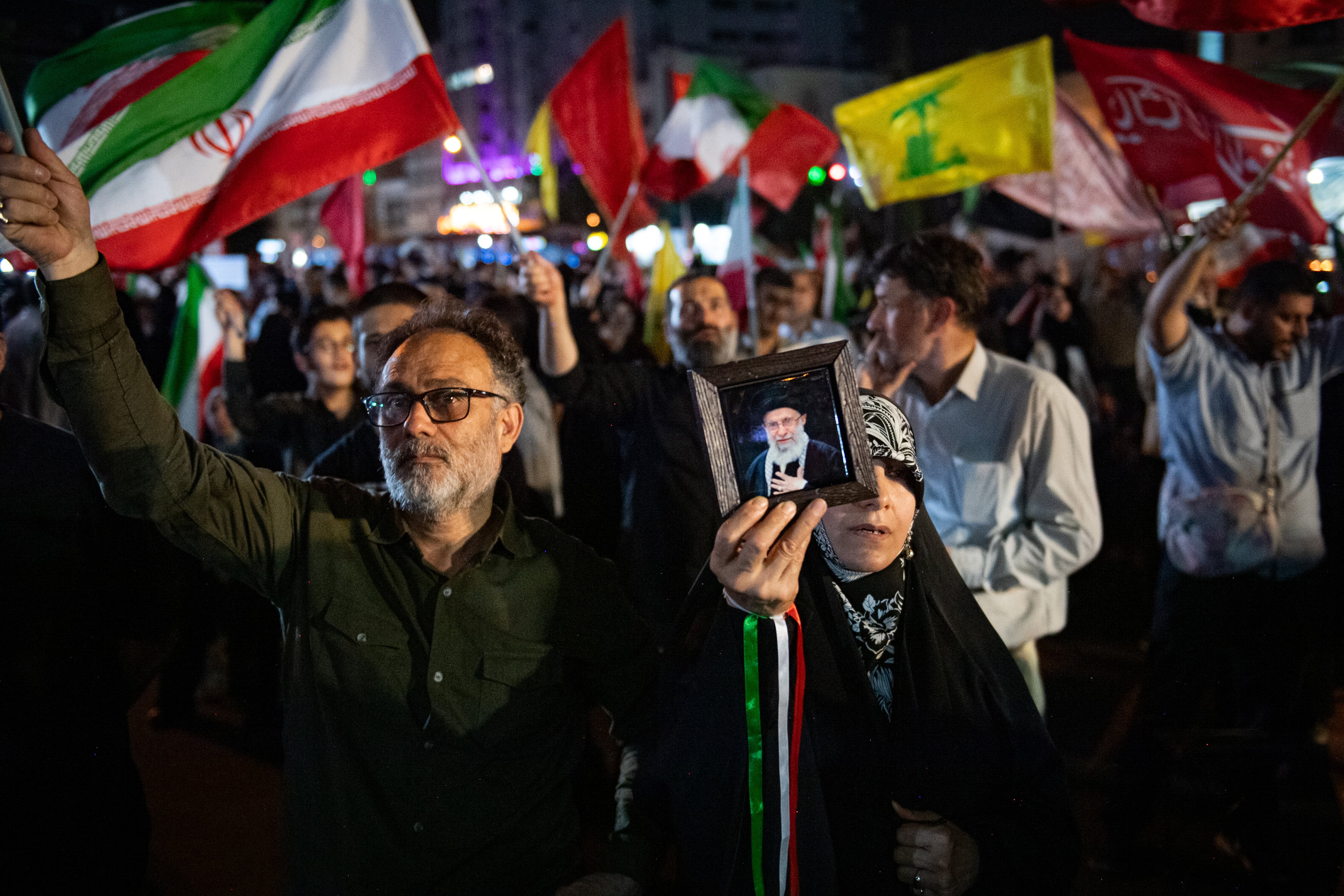
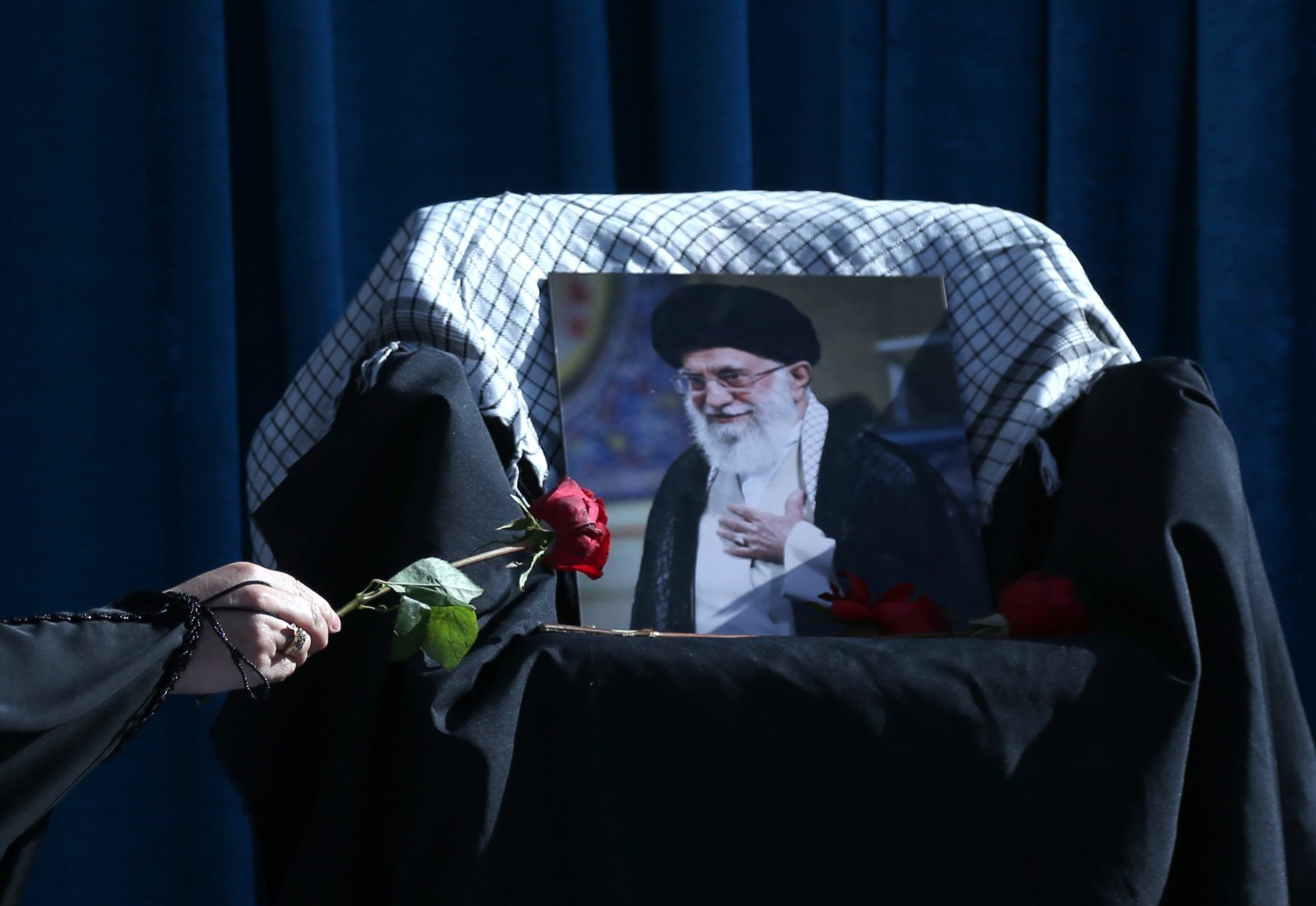
Further compounding this move, Iran's plans include holding a funeral ceremony for Supreme Leader Ali Khamenei on July 4th, the 250th anniversary of American Independence Day. The timing of this event, coinciding with a major U.S. national holiday, suggests a deliberate and potentially provocative gesture.
The term 'cold water offensive' implies an attempt to dampen enthusiasm, halt progress, or create a cooling effect on a particular situation or initiative. The specific context and objectives behind Iran's refusal to sign in Geneva and the timing of the planned ceremony remain subjects of international attention and analysis.
DistantNews Editorial
Originally published by Chosun Ilbo in Korean. Translated, summarized, and contextualized by our editorial team with added local perspective. Read our editorial standards.
More Stories

From Our Blog

What Gets Lost (and Found) When News Is Translated

The Critical Role of Diaspora Media in Global News

What Travellers Should Know About Countries with Restricted Press

A Digital Nomad's Guide to Following Local News

How the Same Story Looks Different in Different Countries
