

Iran Says It Is Negotiating With US Through Oman Over Strait of Hormuz
Summarized and contextualized by DistantNews.
At a glance
News
Named sources
New plan
- Iran is reportedly negotiating with the United States through Oman regarding arrangements for the Strait of Hormuz, according to an Iranian lawmaker.
- The discussions involve a potential plan where Iran would manage the strait and impose a 7% tariff on passing ships, with revenues split between Iran and Oman.
- Iran insists on its sovereignty over the Strait of Hormuz, with ships using Iranian routes for entry and exit, potentially involving Oman in departure routes.
Iran is engaged in indirect negotiations with the United States concerning the strategic Strait of Hormuz, utilizing Oman as an intermediary, an Iranian lawmaker revealed. Ahmad Bakhshayesh Ardestani, a member of Iran's Parliament National Security and Foreign Policy Committee, stated that Tehran opted for this indirect approach, negotiating "in Oman’s name," because Washington was hesitant to assume direct responsibility for the discussions.
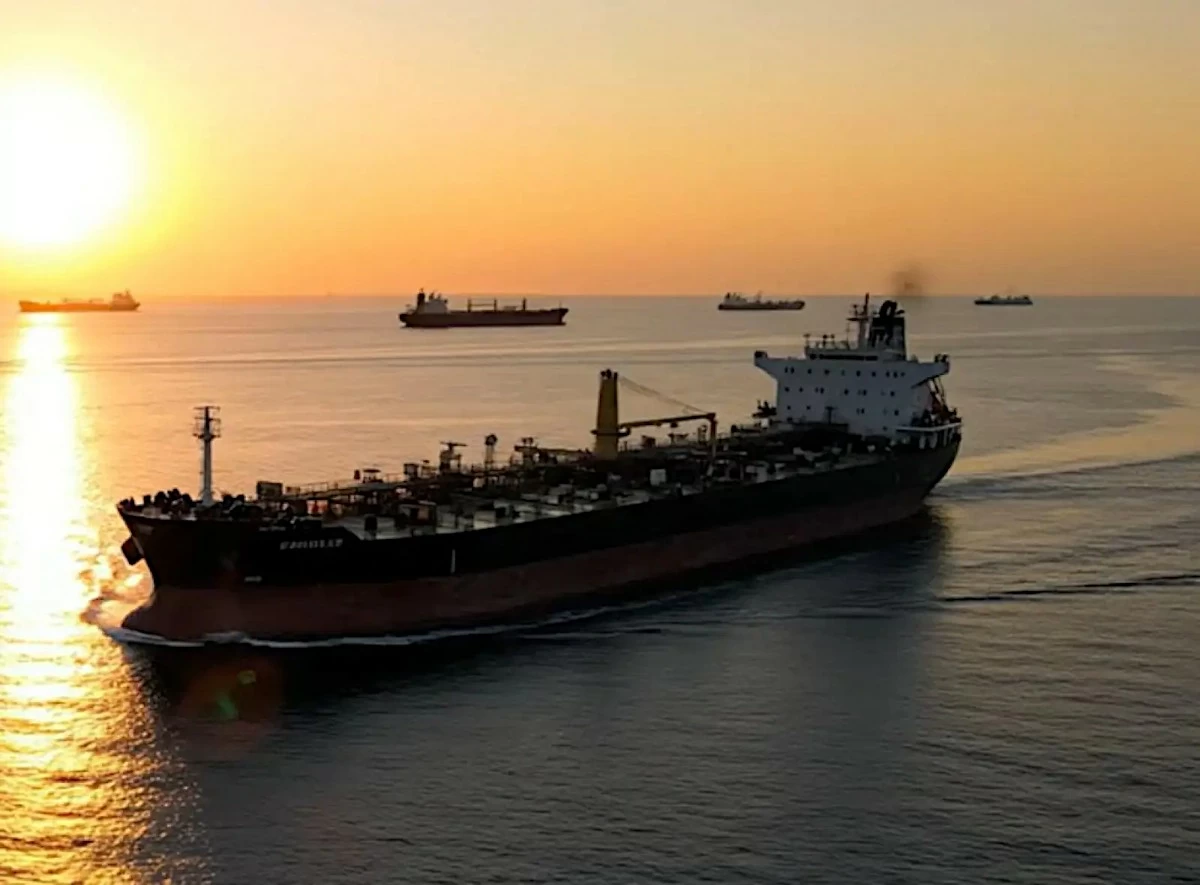
Iran is negotiating with the United States through Oman over possible arrangements for the Strait of Hormuz.
These talks reportedly stem from Tehran's rejection of a prior U.S. proposal that included transit fees and a continued American military presence in the region. The current discussions, according to Ardestani, center on a plan where Iran would assume management of the Strait of Hormuz. Under this proposal, ships transiting the waterway would be subject to a tariff equivalent to 7% of their cargo value.
Washington did not want to take direct responsibility for the discussions.
Ardestani further claimed that the revenue generated from these proposed fees would be divided between Iran and Oman, with Iran set to receive 75% and Oman the remaining 25%. Iran maintains its position of sovereignty over the Strait of Hormuz, asserting that all ships entering the waterway must use Iranian routes. Departures, he added, would involve routes that include both Iran and Oman.
Iran would manage the Strait of Hormuz and impose a tariff of 7% of cargo value on ships passing through the waterway.
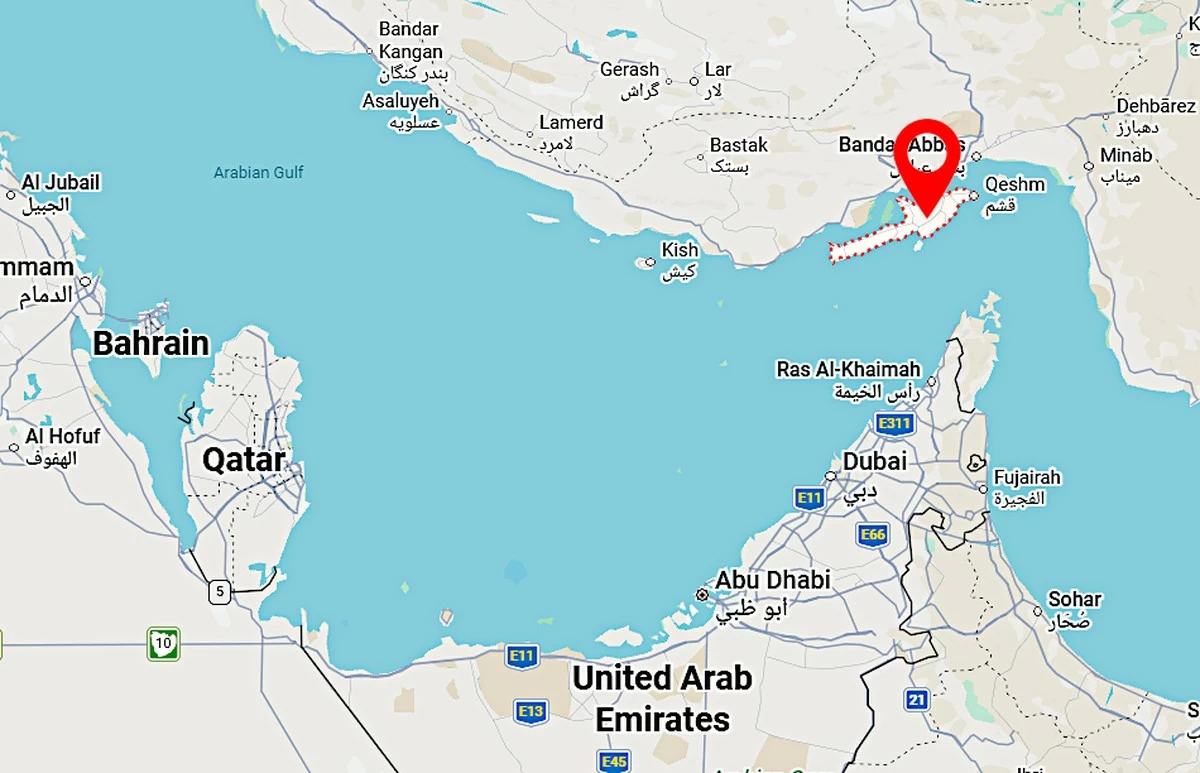
The Strait of Hormuz is a critical chokepoint for global oil supplies, with approximately 30% of the world's seaborne oil trade passing through it. Any disruption or new arrangements in this vital waterway could have significant implications for international energy markets.
Revenues from the proposed fees would be divided between Iran and Oman, with Iran receiving 75% and Oman 25%.
DistantNews Editorial
Originally published by Arab Times. Summarized and contextualized by our editorial team with added local perspective. Read our editorial standards.
More Stories

From Our Blog

What Gets Lost (and Found) When News Is Translated

The Critical Role of Diaspora Media in Global News

What Travellers Should Know About Countries with Restricted Press

A Digital Nomad's Guide to Following Local News

How the Same Story Looks Different in Different Countries
