


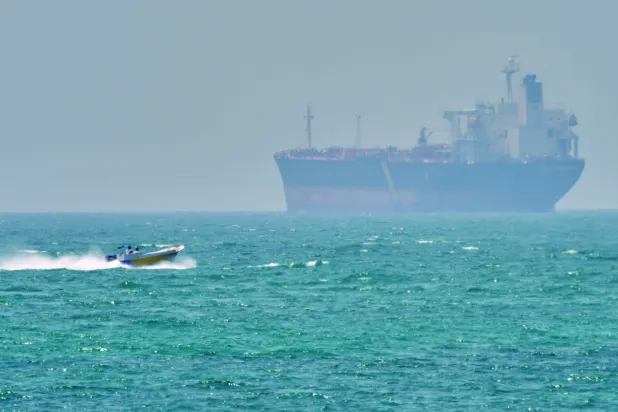
Iran Says Progress in Oman Talks on Hormuz Strait Management
Summarized and contextualized by DistantNews.
At a glance
News
Sources not specified
Ongoing story
- Iran and Oman have made progress in talks regarding the management of the Strait of Hormuz.
- Discussions focused on ensuring safe shipping passage while respecting sovereign rights.
- Iran reported stopping six vessels attempting to transit the strait, citing warnings.
Iran announced on Sunday that it has achieved progress in ongoing negotiations with Oman concerning the management of the Strait of Hormuz, a vital waterway for global oil and gas trade.
common principles and operational mechanisms
These talks follow recent U.S. actions against Iran and a prior memorandum of understanding aimed at easing tensions. Foreign ministry spokesman Esmaeil Baqaei stated that several rounds of discussions were held in Tehran between Iranian and Omani deputy foreign ministers. The core of these negotiations centered on establishing common principles and operational mechanisms to guarantee the safe transit of vessels through the strait, while upholding the sovereign rights of both nations.
Baqaei described the consultations as "useful" and indicated that progress has been made, with ongoing technical and political exchanges. In June, Oman and Iran had indicated discussions about imposing service fees, a move opposed by Washington. However, Muscat also offered passage through its waters for ships transiting Hormuz, which had angered Tehran, leading to a pattern of escalation.
useful
Separately, Iran's armed forces reportedly stopped six vessels attempting to pass through the Strait of Hormuz within the past 24 hours, issuing warnings beforehand, according to state television. This action occurred despite Iran stating it had not recorded any U.S. attacks in nearly two weeks. News site Axios reported that U.S. President Donald Trump declined to authorize further strikes, opting instead for renewed talks after an Omani delegation arrived in Tehran.
no change
DistantNews Editorial
Originally published by Asharq Al-Awsat. Summarized and contextualized by our editorial team with added local perspective. Read our editorial standards.
More Stories

From Our Blog

What Gets Lost (and Found) When News Is Translated

The Critical Role of Diaspora Media in Global News

What Travellers Should Know About Countries with Restricted Press

A Digital Nomad's Guide to Following Local News

How the Same Story Looks Different in Different Countries
