

Iran sets preconditions for US deal, demands release of frozen assets
Translated from Vietnamese and summarized by DistantNews. Read the original for the full story.
At a glance
News
Sources not specified
Context piece
- Iran's Parliament Speaker Mohammad Bagher Ghalibaf stated the country will not accept any deal with the US until its people's rights are guaranteed.
- This comes amid reports of a new, tougher negotiation framework proposed by the Trump administration.
- Iran demands the release of $12 billion in frozen assets and rejects US claims about its nuclear program.
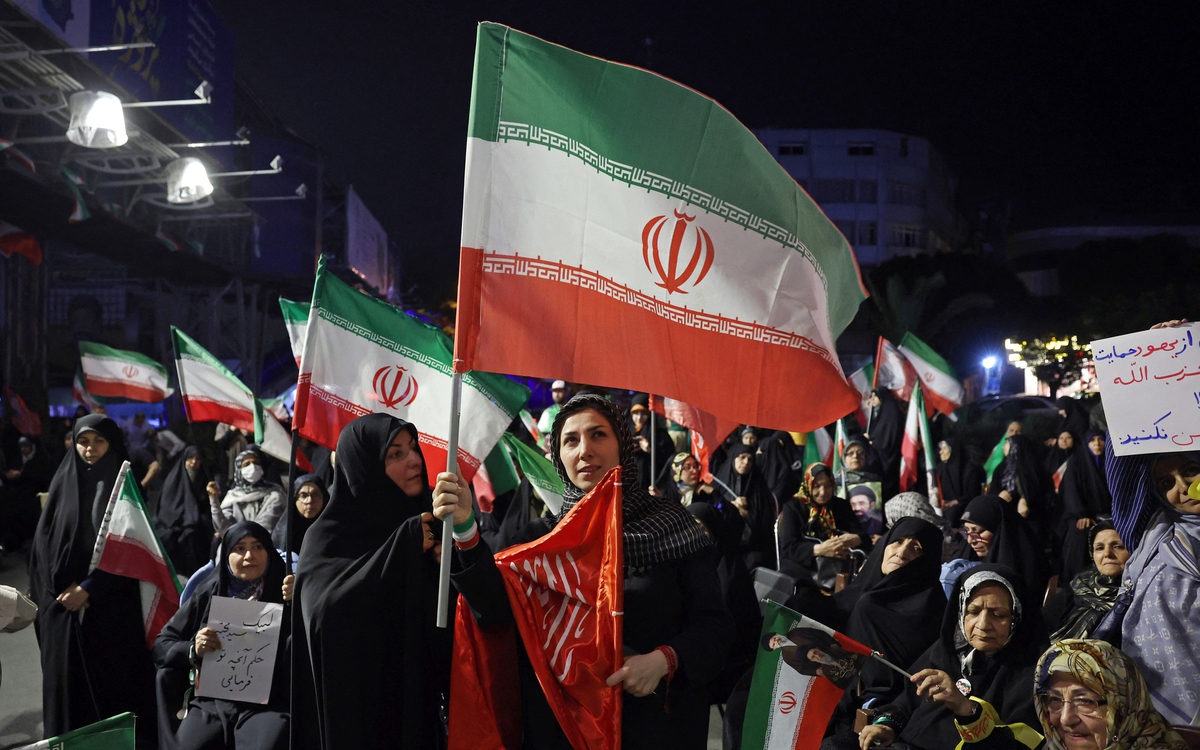
Iran will not accept any agreement with the United States until the rights of its people are guaranteed, Parliament Speaker Mohammad Bagher Ghalibaf declared. His statement follows reports that the Trump administration has sent a new negotiation framework with reportedly tougher conditions.
We will not accept any agreement with the US until it is certain that the rights of the Iranian people are guaranteed.
The specifics of the US proposal remain undisclosed. However, if Washington indeed tightens its terms, the process to end the conflict in the Middle East and restore maritime navigation through the Strait of Hormuz could face further delays. President Trump has consistently emphasized two main priorities: preventing Iran from developing nuclear weapons and fully reopening the strategic Strait of Hormuz.
Despite Trump's assertions that Iran has agreed not to pursue nuclear weapons, Iran expresses skepticism. The Islamic Republic maintains a significant gap remains between the two sides on core issues. Iran is demanding the release of $12 billion in blocked assets before engaging in substantive talks about its nuclear program.
The only guarantee I need is that they will not have nuclear weapons. They agreed to that.
Furthermore, Iran has dismissed Mr. Trump's statements regarding the potential destruction of its enriched uranium stockpile, labeling them as baseless. The nation is also pushing for Lebanon's inclusion in future agreements, amidst ongoing clashes between Israel and Hezbollah forces.
These are baseless assertions.
About this summary
Originally published by Tuổi Trẻ in Vietnamese. Translated, summarized, and contextualized automatically by DistantNews, with a note on how the source frames the story. Not individually reviewed before publishing. How this works.
More Stories
From Our Blog

What Gets Lost (and Found) When News Is Translated

The Critical Role of Diaspora Media in Global News

What Travellers Should Know About Countries with Restricted Press

A Digital Nomad's Guide to Following Local News

How the Same Story Looks Different in Different Countries
