


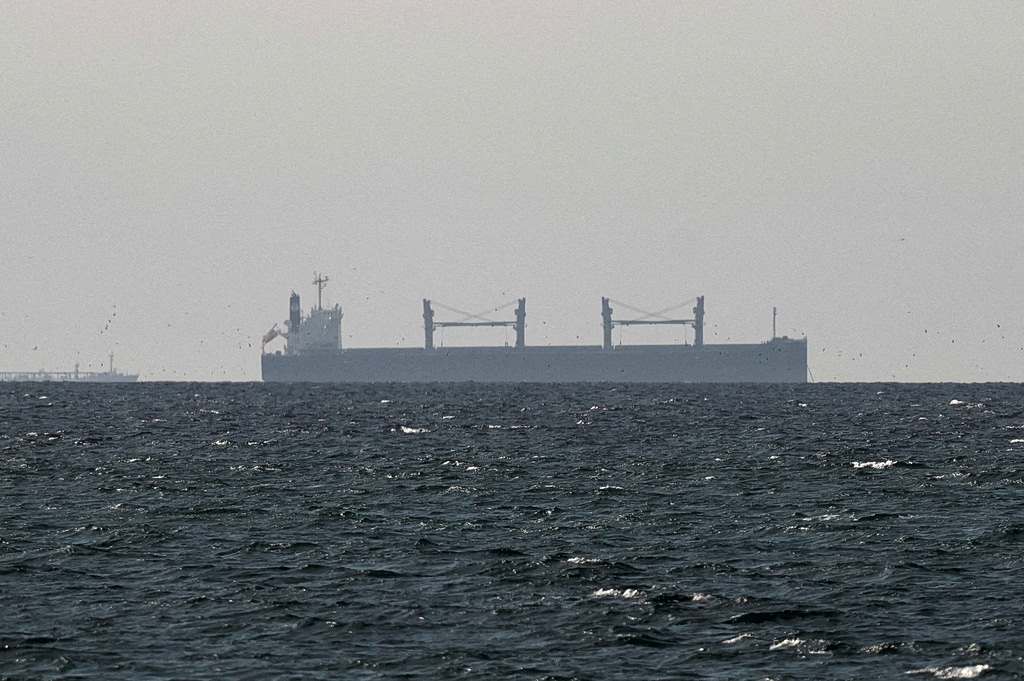
Iran sets terms for Strait of Hormuz opening, demands end to regional war
Translated from Greek and summarized by DistantNews. Read the original for the full story.
At a glance
News
Sources not specified
Context piece
- Iran has outlined conditions for reopening the Strait of Hormuz, demanding an end to regional conflict as a primary requirement.
- The country is preparing a list of terms for mediators, which includes U.S. compliance with Tehran's demands for passage through the strait.
- Iran also denied reports concerning a plot to assassinate U.S. President Donald Trump's youngest son.
Iran is preparing to dictate terms for the reopening of the Strait of Hormuz, a critical global oil chokepoint, according to a top national security advisor. Mohsen Rezai stated that mediators have approached Tehran, prompting the nation to compile a list of conditions.
Iran is preparing a list, on which the end of the war in the region is included as a basic condition.
Central to Iran's demands is the cessation of "the war in the region," a phrase that could encompass various ongoing conflicts and geopolitical tensions. Rezai indicated that passage through the strait's designated central channel would only be permitted if the United States meets Tehran's stipulated terms.
In parallel, Iran and Oman have reportedly agreed to establish a shipping corridor that will traverse the Strait of Hormuz. This corridor will reportedly include segments within both Omani and Iranian waters, suggesting a coordinated effort to manage maritime traffic.
Ships will be able to use a designated central channel only if the United States meets the terms set by Tehran.
During the same televised interview, Rezai addressed and dismissed reports suggesting a plot to assassinate Barron Trump, the youngest son of U.S. President Donald Trump. He characterized these claims as "lies." The U.S. Secret Service acknowledged awareness of a video circulating on Iranian state television that discussed such a potential assassination plot.
These reports are lies.
About this summary
Originally published by Ta Nea in Greek. Translated, summarized, and contextualized automatically by DistantNews, with a note on how the source frames the story. Not individually reviewed before publishing. How this works.
More Stories


From Our Blog

What Gets Lost (and Found) When News Is Translated

The Critical Role of Diaspora Media in Global News

What Travellers Should Know About Countries with Restricted Press

A Digital Nomad's Guide to Following Local News

How the Same Story Looks Different in Different Countries
