

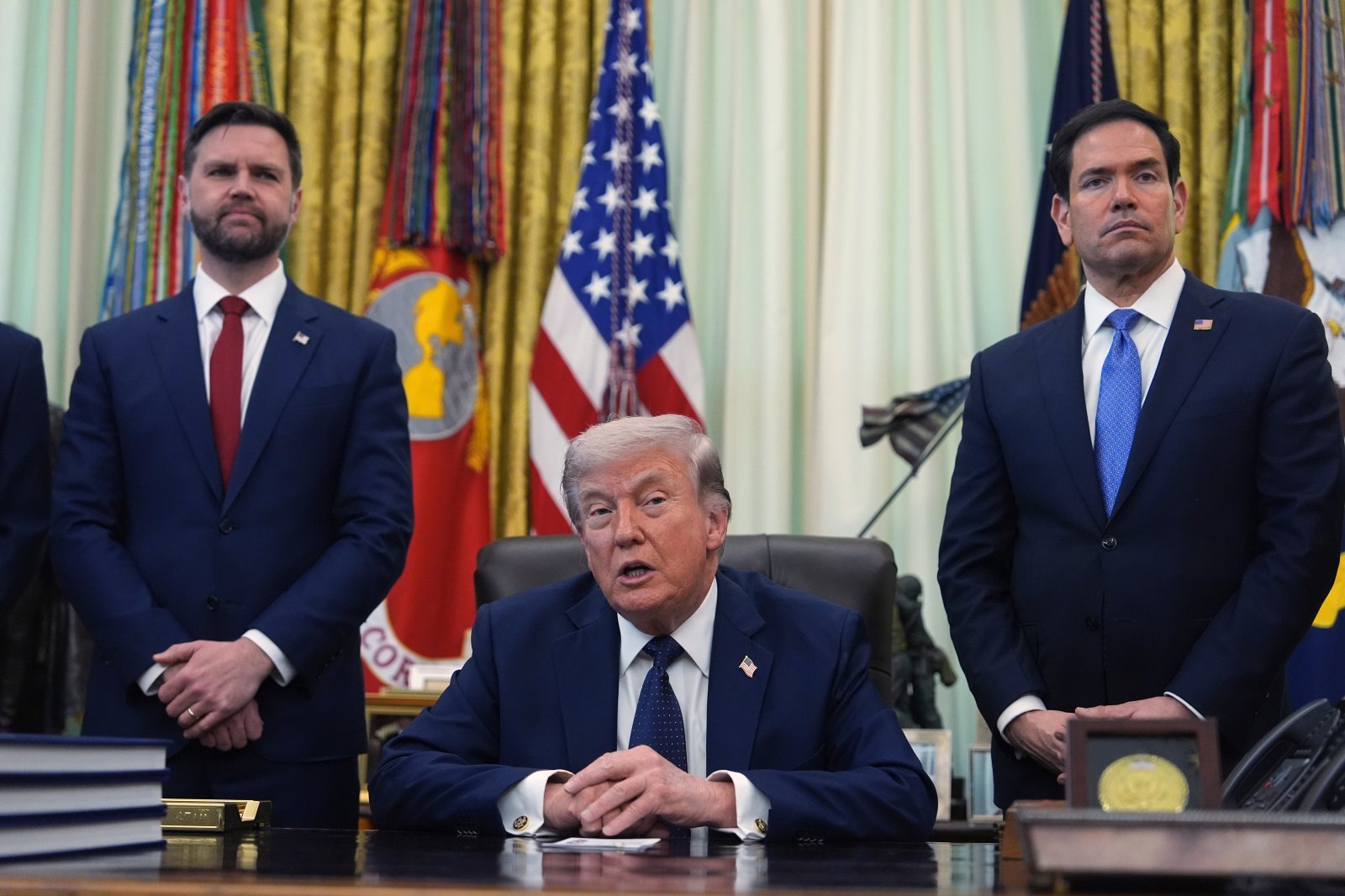

Iran Silent on US Proposal Ahead of Talks; White House on Edge
Translated from Korean, summarized and contextualized by DistantNews.
TLDR
- The US has avoided immediate conflict with Iran by extending a ceasefire, but negotiations for a second peace treaty are uncertain as Iran has not responded to US proposals.
- The White House experienced a volatile day, with initial optimism about a potential written agreement dashed when Iran failed to respond and postponed sending its delegation.
- Tensions escalated with the US seizure of an oil tanker in the Gulf of Oman, which Iran condemned as setting a dangerous precedent, while the US Treasury signaled intensified economic pressure.
The Trump administration's approach to Iran remains a tightrope walk, balancing the desire to avoid prolonged conflict with the need to exert pressure on Tehran. While a potential ceasefire extension offers a temporary reprieve, the core issue of lifting maritime blockades remains a significant hurdle for any substantive negotiations.
Trump strongly avoided prolonging an unpopular war with the public, and found a compromise to maintain indefinite pressure until Iran presents a concrete proposal.
The internal dynamics within Iran, marked by divisions between civilian negotiators and hardliners within the Islamic Revolutionary Guard Corps (IRGC), complicate matters further. The Supreme Leader's silence on key issues leaves negotiators without a clear mandate, hindering the possibility of a unified Iranian position.
Trump is willing to give Iran an additional 3 to 5 days to sort out its position. It's not indefinite.
The US seizure of an oil tanker in the Gulf of Oman, the first such action outside the Middle East, has undoubtedly inflamed tensions. Iran's strong condemnation of this act as setting a dangerous global precedent underscores the fragility of the current situation. The US Treasury's confident assertion of tightening financial pressure, including potential oil storage facility closures, signals a continued strategy of economic strangulation.
leaving a dangerous global precedent.
Despite the apparent deadlock, diplomatic channels remain open, with countries like Pakistan actively mediating. Experts suggest that a quiet de-escalation, perhaps through indirect communication, could pave the way for renewed talks. This approach might involve the US easing port blockades and Iran reciprocating by partially easing its own maritime restrictions in the Strait of Hormuz, a move that could foster mutual de-escalation.
Within days, the Harg Island oil storage facility will be full, and vulnerable Iranian oil wells will be closed.
DistantNews Editorial
Originally published by Hankyoreh in Korean. Translated, summarized, and contextualized by our editorial team with added local perspective. Read our editorial standards.
More Stories


From Our Blog

What Gets Lost (and Found) When News Is Translated

The Critical Role of Diaspora Media in Global News

What Travellers Should Know About Countries with Restricted Press

A Digital Nomad's Guide to Following Local News

How the Same Story Looks Different in Different Countries
