


Iran: Strait of Hormuz to reopen only if US changes stance, accepts demands
Translated from Korean, summarized and contextualized by DistantNews.
At a glance
News
Named sources
New plan
- Iran's top security official stated that the Strait of Hormuz will not reopen until the U.S. changes its stance and accepts Iran's conditions.
- Mohsen Rezai, the new secretary-general of Iran's Supreme National Security Council, outlined Iran's six demands for reopening the strait.
- Rezai criticized the U.S. as the source of instability in the Gulf and praised China for not supporting anti-Iran resolutions at the UN.
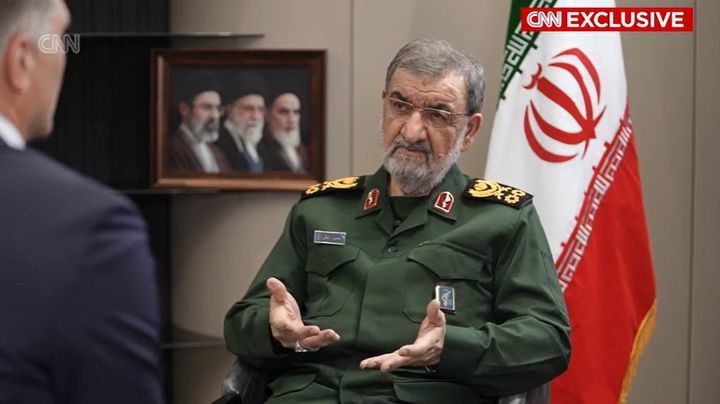
Iran's top security official has reiterated the country's conditions for reopening the Strait of Hormuz, emphasizing that a change in U.S. policy is paramount. Mohsen Rezai, the newly appointed secretary-general of Iran's Supreme National Security Council (SNSC), stated that the vital waterway will remain closed until Washington alters its approach and accepts Tehran's demands.
Speaking during a meeting with the Chinese ambassador to Iran, Rezai outlined Iran's six-point proposal for reopening the strait. Key demands include an end to threats against Iran, a permanent cessation of wars involving Iran and its allies, the lifting of maritime blockades, the withdrawal of U.S. forces, full compensation for war damages, and the unfreezing of Iranian assets.
The Strait of Hormuz will not be opened until the United States changes its attitude and accepts Iran's conditions.
Rezai further criticized the United States, labeling it the primary source of instability in the Persian Gulf and accusing it of driving the region toward "illegal war." He clarified that even if individual transit agreements are reached between Iran and Oman, the broader issue of reopening the strait is a separate matter.
The SNSC secretary-general also highlighted the potential for enhanced cooperation between Iran and China through organizations like the Shanghai Cooperation Organisation (SCO) and BRICS. He expressed gratitude to China for its stance against anti-Iran resolutions at the United Nations Security Council. Rezai, a hardliner and former commander of the Islamic Revolutionary Guard Corps (IRGC), assumed his current role overseeing Iran's national security policy on August 9.
The United States is the source of instability in the Persian Gulf and is driving the entire region into an illegal war.
DistantNews Editorial
Originally published by Dong-A Ilbo in Korean. Translated, summarized, and contextualized by our editorial team with added local perspective. Read our editorial standards.
More Stories

From Our Blog

What Gets Lost (and Found) When News Is Translated

The Critical Role of Diaspora Media in Global News

What Travellers Should Know About Countries with Restricted Press

A Digital Nomad's Guide to Following Local News

How the Same Story Looks Different in Different Countries
