


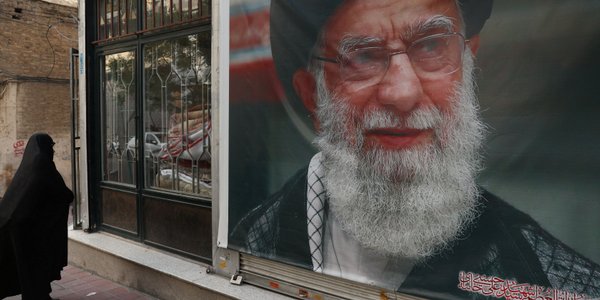
Iran strikes Israel in escalating cycle of retaliation
Translated from Polish, summarized and contextualized by DistantNews.
At a glance
News
Named sources
Ongoing story
- Iran launched retaliatory strikes against Israel following an Israeli airstrike on Beirut, which was a response to Hezbollah's earlier rocket fire on northern Israel.
- The escalating violence is seen as an uncontrolled spiral, with Iran seeking to protect Hezbollah's influence in Lebanon as part of its negotiations with the US.
- Hezbollah, described as a state within a state in Lebanon, is crucial for Iran's regional strategy, and its survival is linked to Iran's broader geopolitical aims.
An escalating cycle of violence has gripped the Middle East, with Iran launching retaliatory strikes against Israel after an Israeli airstrike hit a Hezbollah stronghold in Beirut. This latest exchange follows days of rocket fire from Hezbollah into northern Israel, creating an "uncontrolled spiral of violence."
Despite appeals for restraint from U.S. President Donald Trump, Israeli Prime Minister Benjamin Netanyahu appears committed to a hardline stance against Iran, believing further military action is necessary to pressure the Tehran regime. The article questions Iran's motivation for protecting Hezbollah, suggesting it is a strategic move linked to ongoing negotiations with the U.S. aimed at ending the war.
There is no doubt that Iran led to the current escalation after the agreement reached last week between the Lebanese and Israeli authorities to suspend arms and pacify Hezbollah with the help of the USA.
Nadim Shehadi, a former expert at the Chatham House think tank, told "Rzeczpospolita" that Iran instigated the current escalation after a recent Lebanon-Israel agreement to suspend hostilities and pacify Hezbollah. Hezbollah, a long-standing ally and armed proxy for Iran, has established significant power in Lebanon, making its preservation vital for Tehran's regional influence and its negotiating position with the U.S.
Supporting the resistance movement in Lebanon is the duty of all of us, and the removal of Israel from the region is an achievable goal for Muslims.
Esmail Kaani, commander of the IRGC's Quds Force, recently stated, "Supporting the resistance movement in Lebanon is the duty of all of us, and the removal of Israel from the region is an achievable goal for Muslims." Iran's current objective appears to be the withdrawal of Israeli forces from southern Lebanon, a territory occupied by Israel, in an effort to weaken Hezbollah both militarily and politically.
For Israel, combating Hezbollah is a top priority, nearly on par with preventing Iran from acquiring nuclear weapons. The recent U.S.-brokered Lebanon-Israel agreement was intended to curb Hezbollah's actions, but the group rejected it and fired rockets into Israel, actions attributed to Tehran's orders. Shehadi believes Hezbollah is fighting for survival as it faces declining support even within Lebanon's Shia community, weary of the conflict.
There is no doubt that this happened on Tehran's orders, which wants at all costs to maintain its influence in Lebanon by including the Hezbollah issue in the agreement with the USA.
DistantNews Editorial
Originally published by Rzeczpospolita in Polish. Translated, summarized, and contextualized by our editorial team with added local perspective. Read our editorial standards.
More Stories


From Our Blog

What Gets Lost (and Found) When News Is Translated

The Critical Role of Diaspora Media in Global News

What Travellers Should Know About Countries with Restricted Press

A Digital Nomad's Guide to Following Local News

How the Same Story Looks Different in Different Countries
