

Iran-US tensions persist despite ceasefire extension, expert says
Translated from Spanish, summarized and contextualized by DistantNews.
TLDR
- The Trump administration has extended a ceasefire with Iran, temporarily halting plans for direct armed conflict.
- An international analyst suggests this political decision stems from Iran's economic fragility and a stalemate in high-level negotiations.
- The situation remains tense, with ongoing volatility and Iran's actions in the Strait of Hormuz contributing to the uncertainty.
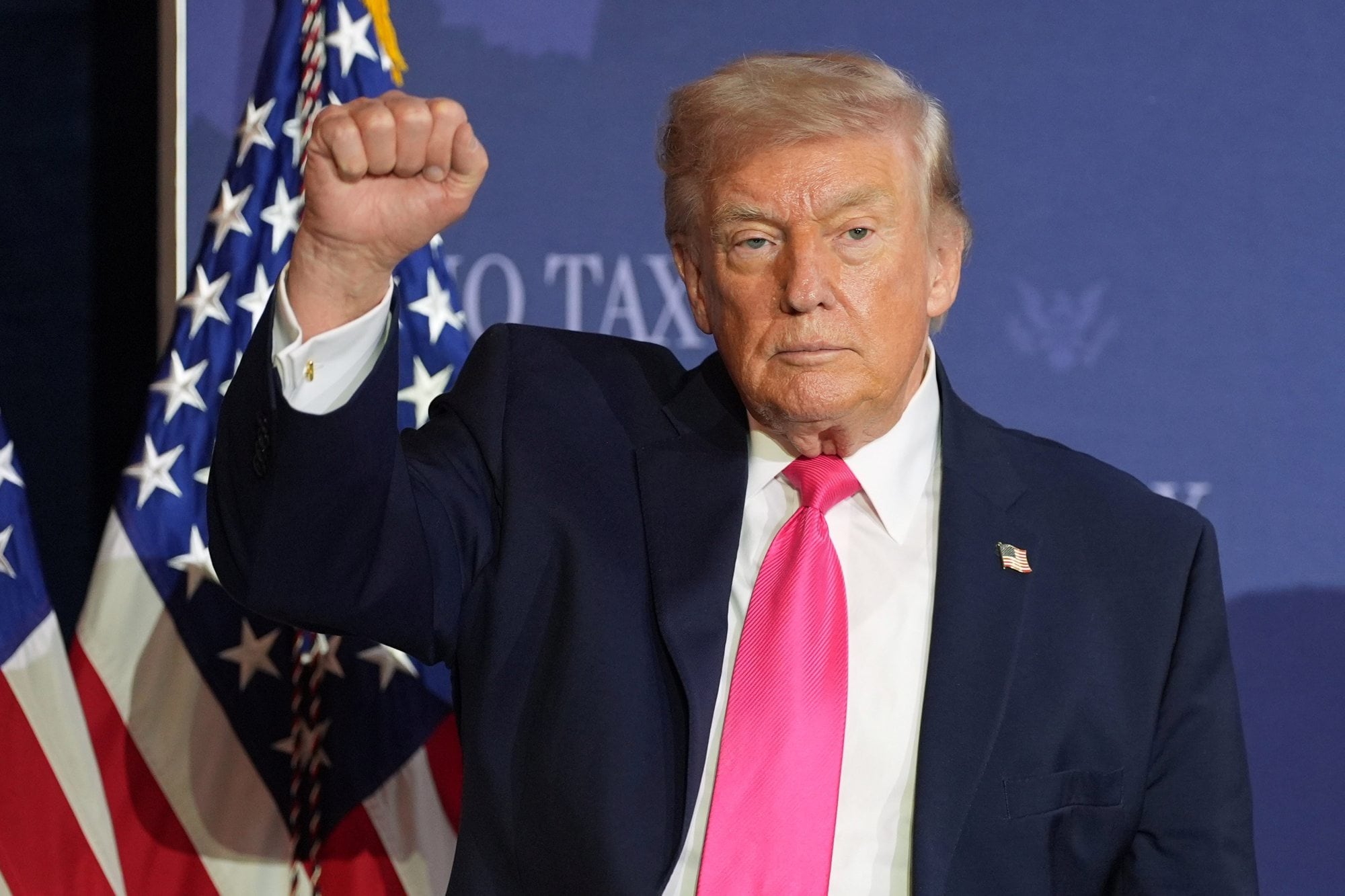
From Buenos Aires, La Nación reports on the complex and volatile situation between the United States and Iran, highlighting the strategic implications of President Trump's shifting stance. Analyst Andrés Repetto, speaking on LN+, provides a critical perspective, suggesting that Trump's unilateral extension of the ceasefire, despite previous aggressive rhetoric, could impact his international credibility.
The summit that wasn't could be the title and from now on the big question.
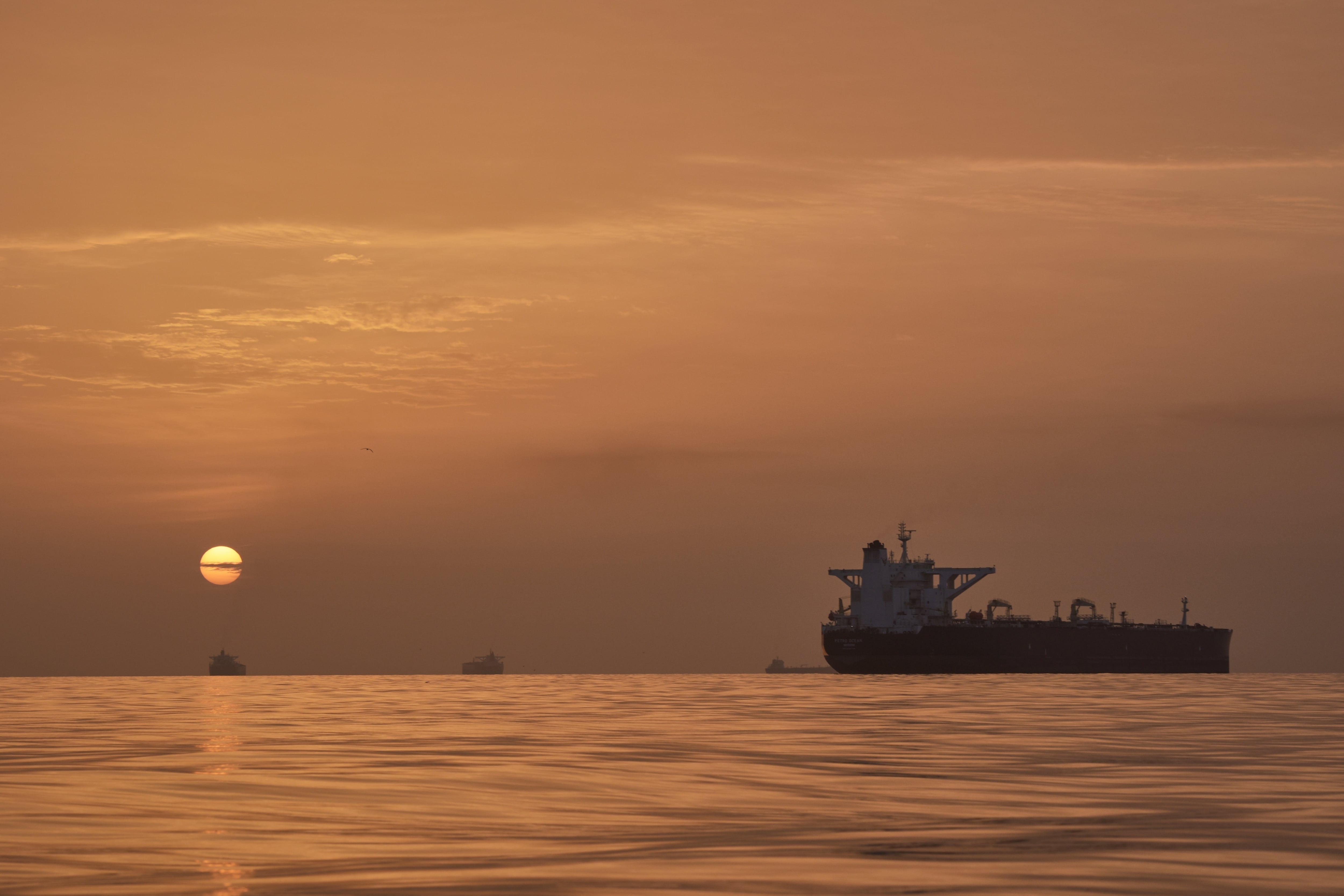
Repetto points out the inherent tension, noting that Iran's actions, such as the reported attacks on merchant ships in the Strait of Hormuz and military parades showcasing missile power, are presented by the regime as victories. This framing, he argues, contrasts sharply with Trump's announcement of a ceasefire, creating a confusing and precarious dynamic.
Until now it is like this, but this can change.
The article emphasizes that while the immediate threat of an armed offensive may have receded, the underlying issues and the potential for escalation remain significant. The analyst's commentary underscores the delicate balance of power and the strategic maneuvering at play, suggesting that the "summit that wasn't" could be the defining narrative, leaving the future uncertain.
The situation of tension that continues. What the president is saying is to continue with the ceasefire and not to attack and there will not be a rain of bombs against Iran.
DistantNews Editorial
Originally published by La Nación in Spanish. Translated, summarized, and contextualized by our editorial team with added local perspective. Read our editorial standards.
More Stories


From Our Blog

What Gets Lost (and Found) When News Is Translated

The Critical Role of Diaspora Media in Global News

What Travellers Should Know About Countries with Restricted Press

A Digital Nomad's Guide to Following Local News

How the Same Story Looks Different in Different Countries
