

Iran, US Tensions Rise Over Peace Talks and Strait of Hormuz
Translated from English, summarized and contextualized by DistantNews.
TLDR
- Iran has not decided whether to attend new peace negotiations with the US, casting doubt on efforts to prevent the resumption of a regional war.
- US President Trump is sending negotiators to Pakistan for talks but has threatened to attack Iranian infrastructure if no deal is reached, while Iran accuses the US of violating a temporary truce.
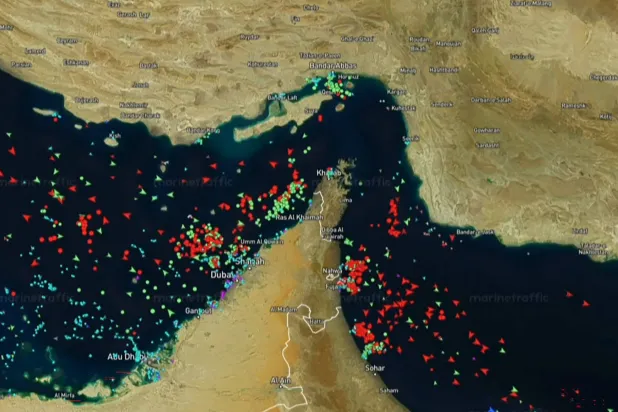
- Tensions are high over the Strait of Hormuz trade route, with Iran warning ships without permission will be targeted, and a separate ceasefire in Lebanon is also facing challenges.
From the perspective of Asharq Al-Awsat, the escalating tensions between Iran and the United States over the Middle East conflict present a grave concern for regional stability and global markets. The article highlights the precariousness of the situation, with both sides accusing each other of violating a fragile truce. Iran's foreign ministry spokesman, Esmaeil Baqaei, voices skepticism about the US's commitment to diplomacy, pointing to actions like the blockade of Iranian ports and seizure of a ship as clear breaches of the ceasefire. This sentiment reflects a common narrative in the region, where trust in US intentions is often viewed with caution.
We have no plans for the next round of negotiation, and no decision has been made in this regard.
The report also touches upon the broader implications of the conflict, including the disruption of vital oil and gas shipments through the Strait of Hormuz. Iran's Revolutionary Guards have issued stark warnings, indicating that any unauthorized passage through the strait will be met with force. This assertive stance underscores Iran's determination to protect its interests and project its power in the region.
The US is carrying out behaviors that do not in any way indicate seriousness in pursuing a diplomatic process.
Furthermore, the article notes the complexities arising from the conflict in Lebanon, where a ceasefire involving Hezbollah is also under strain. The differing interpretations of the truce by Israel and Hezbollah, coupled with ongoing military posturing, add another layer of volatility to an already volatile situation. The involvement of international actors, such as China's President Xi Jinping urging for the maintenance of normal traffic through the Strait of Hormuz, further emphasizes the global stakes of this regional crisis. Asharq Al-Awsat aims to provide a comprehensive overview of these interconnected developments, reflecting the deep anxieties and strategic considerations prevalent within the Arab world regarding this escalating confrontation.
will soon respond and retaliate against this armed piracy
DistantNews Editorial
Originally published by Asharq Al-Awsat in English. Translated, summarized, and contextualized by our editorial team with added local perspective. Read our editorial standards.
More Stories
From Our Blog

What Gets Lost (and Found) When News Is Translated

The Critical Role of Diaspora Media in Global News

What Travellers Should Know About Countries with Restricted Press

A Digital Nomad's Guide to Following Local News

How the Same Story Looks Different in Different Countries
