

Iran-US War Warnings Escalate as Ceasefire Deadline Looms; Peace Talks Uncertain
Translated from English, summarized and contextualized by DistantNews.
TLDR
- The US and Iran issued war warnings as a ceasefire deadline approached, with uncertainty surrounding peace talks announced by President Trump.
- Iran accused the US of violating the truce through port blockades and ship seizures, with its parliament speaker warning against negotiations under threat.
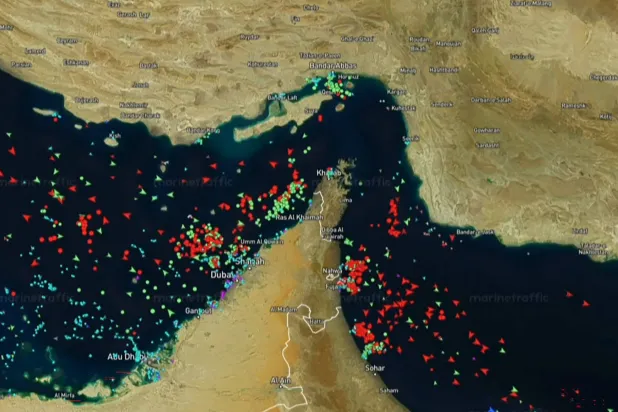
- Oil prices fluctuated as markets hoped for a deal to reopen the Strait of Hormuz, while Tehran's decision on attending peace talks remained unconfirmed.
Tensions are once again at a fever pitch between the United States and Iran as a critical ceasefire deadline looms. President Trump's announcement of renewed peace talks in Pakistan has been met with a starkly different reception from Tehran, which accuses Washington of violating the truce. The seizure of an Iranian ship and the ongoing blockade of Iranian ports are seen by Iran's leadership as attempts to dictate terms rather than engage in genuine negotiation.
By imposing a blockade and violating the ceasefire, Trump wants to turn this negotiating table into a surrender table or justify renewed hostilities, as he sees fit.
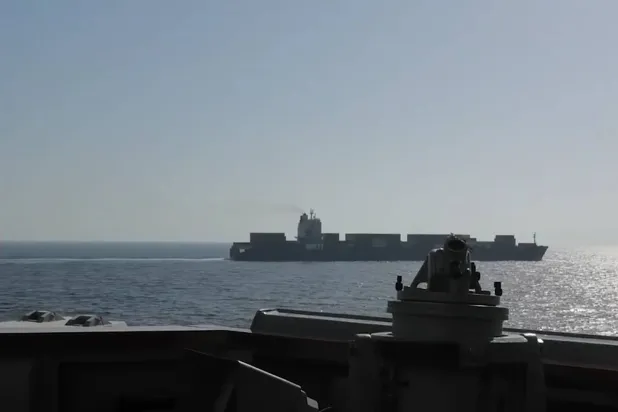
Mohammad Bagher Ghalibaf, Iran's powerful parliament speaker, has been unequivocal in his stance, stating, "We do not accept negotiations under the shadow of threats." He further warned that Iran is prepared to "show new cards on the battlefield" if hostilities resume. This hardline position is amplified by the Revolutionary Guards' threat to target any vessel attempting to pass through the Strait of Hormuz without permission, a vital chokepoint for global oil transit.
We do not accept negotiations under the shadow of threats, and in the last two weeks we have been preparing to show new cards on the battlefield.
While the US insists on concessions regarding Iran's nuclear program, Tehran views the blockade as a direct violation of the ceasefire. The situation remains volatile, with oil prices reacting to the uncertainty surrounding the potential reopening of the Strait of Hormuz. Despite the return of some normalcy in Tehran, the underlying anxiety among residents underscores the precariousness of the current situation. The coming hours will be crucial in determining whether diplomacy prevails or if the region plunges back into conflict.
We agreed to be there.
DistantNews Editorial
Originally published by Asharq Al-Awsat in English. Translated, summarized, and contextualized by our editorial team with added local perspective. Read our editorial standards.
More Stories
From Our Blog

What Gets Lost (and Found) When News Is Translated

The Critical Role of Diaspora Media in Global News

What Travellers Should Know About Countries with Restricted Press

A Digital Nomad's Guide to Following Local News

How the Same Story Looks Different in Different Countries
