


Iran war – America, Israel yet to realise their goals
Summarized and contextualized by DistantNews.
At a glance
News
Sources not specified
Ongoing story
- The G7 summit is expected to focus on Donald Trump's fluctuating stance on the Iran war.
- Trump reportedly backed off from escalating the conflict after calls from leaders in the UAE, Qatar, and Pakistan.
- Negotiations are underway for a 60-day ceasefire, an end to Iranian funding of allied groups, and the reopening of the Strait of Hormuz.
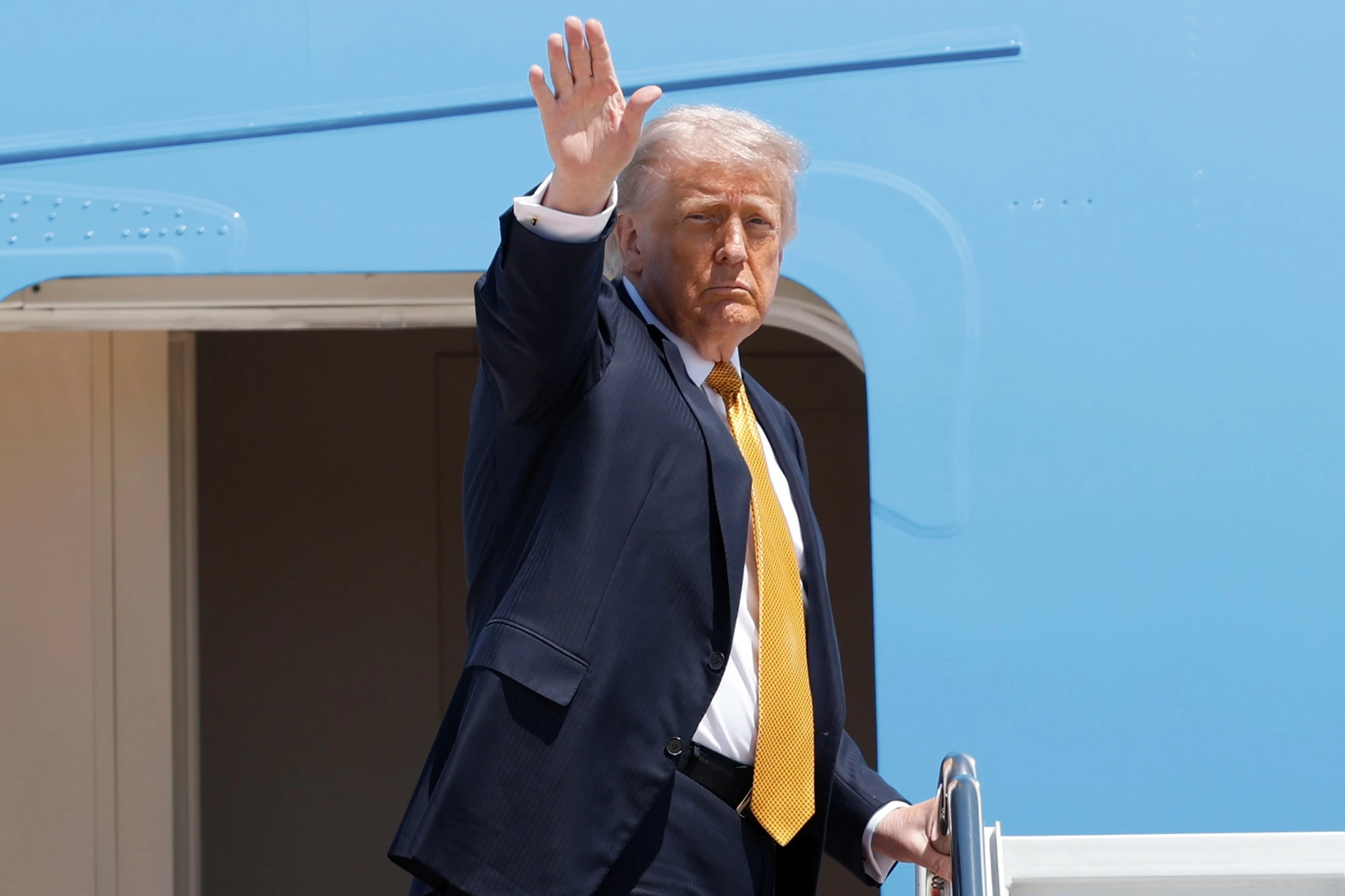
The upcoming G7 summit in France is anticipated to be dominated by U.S. President Donald Trump's indecisiveness regarding the Iran war. Trump has shown a pattern of abrupt policy shifts, oscillating between escalating the conflict and seeking negotiations.
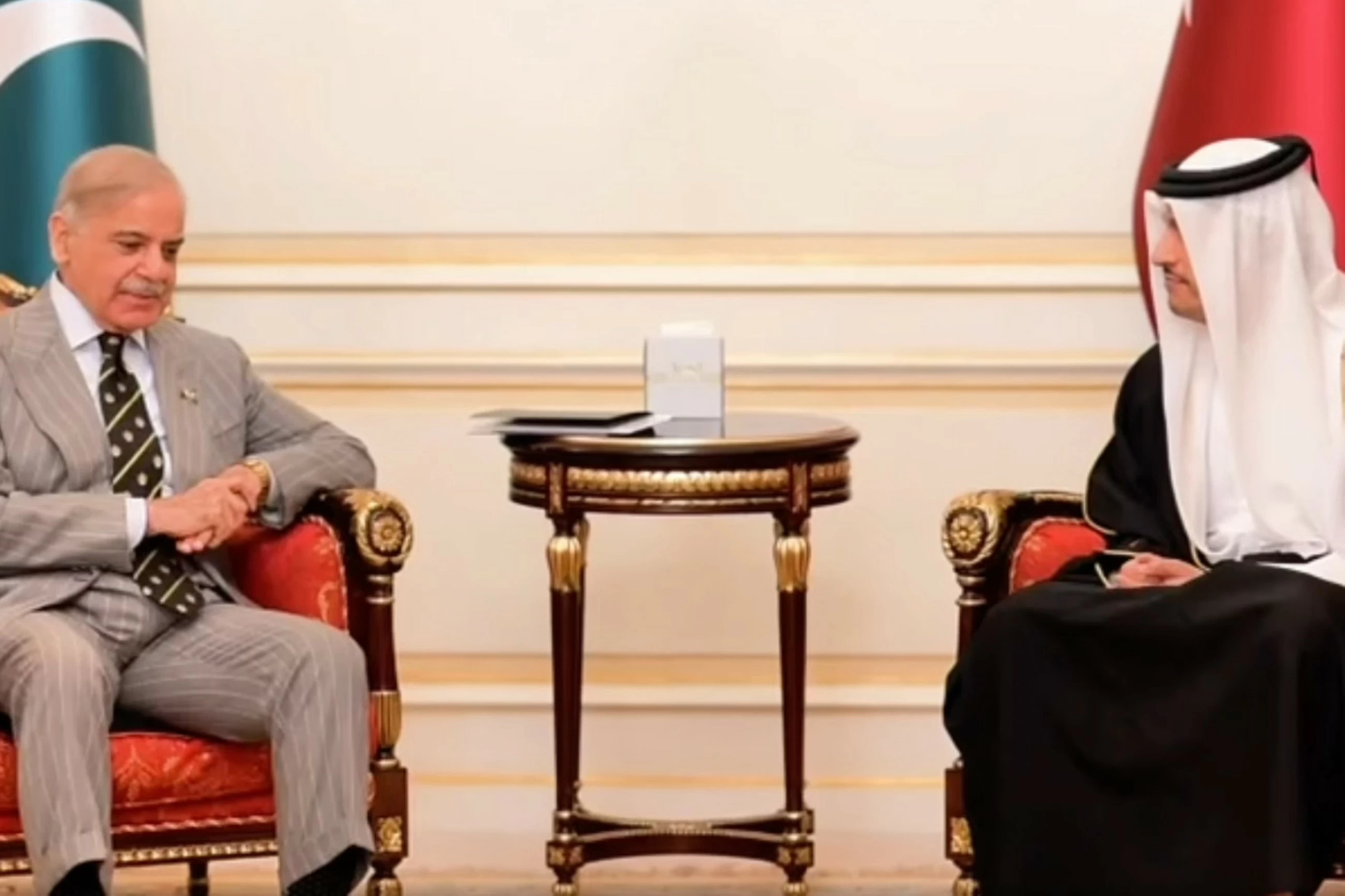
Last Friday night, mere hours after threatening severe strikes against Iran, Trump reportedly reconsidered following urgent telephone calls from Emirati President Mohamed Bin Zayed Al Nahyan, Qatari Emir Tamim Bin Hamad Al Thani, and Pakistani defense chief Asim Munir. Trump now appears eager to disengage from the war he initiated with Israeli Prime Minister Binyamin Netanyahu on February 28th. Sources indicate Trump informed Netanyahu of his decision to abandon the war without seeking his input, leaving the Israeli Prime Minister with little choice but to comply.
Gulf and Pakistani leaders urged Trump to halt the escalation as negotiations neared a Memorandum of Understanding (MOU). This proposed agreement includes a 60-day ceasefire in the U.S.-Israeli war on Iran and Lebanon, alongside talks to end the conflict. It also mandates an end to Iranian funding for allied groups and the immediate reopening of the Strait of Hormuz for global shipping. While Iran would maintain management of the strait, no tolls would be imposed. The U.S. blockade of Iranian ships in the Gulf would be lifted, and an agreement would be sought to release $12-24 billion of frozen Iranian assets.
Releasing these assets presents a significant political challenge for Trump, who previously criticized former President Barack Obama for unfrozen approximately $50 billion of Iran's assets under the 2015 nuclear deal. Trump withdrew the U.S. from that deal in 2018, reimposing sanctions. Ironically, Trump may now be compelled to accept terms potentially less favorable than Obama's agreement. Iran's nuclear program, significantly advanced before being targeted by U.S. and Israeli strikes a year ago and in March, would take years to reconstitute, leaving a weakened Iran unlikely to invest in new nuclear development.
DistantNews Editorial
Originally published by Gulf Today. Summarized and contextualized by our editorial team with added local perspective. Read our editorial standards.
More Stories
From Our Blog

What Gets Lost (and Found) When News Is Translated

The Critical Role of Diaspora Media in Global News

What Travellers Should Know About Countries with Restricted Press

A Digital Nomad's Guide to Following Local News

How the Same Story Looks Different in Different Countries
