

Iran War Exposes Trump's Economic Vulnerability as Diplomacy Beckons Amidst Rising Costs
Translated from English, summarized and contextualized by DistantNews.
TLDR
- Seven weeks of war in Iran have not toppled its rulers or met all US demands, but have highlighted the vulnerability of economic pressure as a US tool.
- Despite Iran reopening the Strait of Hormuz, the crisis revealed limits to President Trump's tolerance for domestic economic pain, with rising gas prices, inflation, and falling approval ratings pushing him toward a diplomatic deal.
- Analysts suggest rivals like China and Russia may learn that while Trump may use military force, he seeks a diplomatic exit when domestic economic consequences become uncomfortable.
The conflict in Iran, now in its seventh week, has starkly illuminated a critical vulnerability for the Trump administration: its reliance on economic pressure as a foreign policy tool. While military actions have not achieved all stated objectives, the true impact has been felt domestically, with rising energy costs, inflation, and a dip in presidential approval ratings forcing a pivot towards diplomacy.
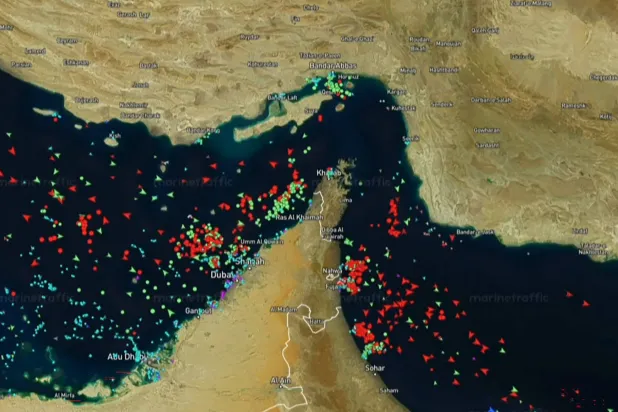
Iran's demonstrated ability to inflict economic pain, particularly through its control of the Strait of Hormuz, has caught US strategists off guard. The global energy shock, the worst on record, underscores the interconnectedness of international security and domestic economic stability. The International Monetary Fund's warning of a potential global recession further amplifies concerns.
Trump is feeling the economic pinch, which is his Achilles heel in this war of choice.
For Iran's leadership, the economic consequences faced by the US and its allies present a powerful negotiating lever. The pressure is mounting, especially with midterm elections looming for President Trump's Republican party. This dynamic suggests that while the US may exhibit a willingness for military engagement, a strong domestic economic backlash can serve as a potent catalyst for seeking diplomatic resolutions, a lesson potentially observed by geopolitical rivals.
As Brett Bruen, a former Obama administration foreign policy advisor, noted, "Trump is feeling the economic pinch, which is his Achilles heel in this war of choice." This highlights how domestic economic considerations can significantly shape foreign policy decisions, even in the face of military objectives. The administration's stated focus on resolving "temporary" energy market issues while pursuing its broader economic agenda reflects this delicate balancing act.
while working toward a deal with Iran to resolve "temporary" energy market problems, the administration "has never lost focus on implementing the president’s affordability and growth agenda."
DistantNews Editorial
Originally published by Asharq Al-Awsat in English. Translated, summarized, and contextualized by our editorial team with added local perspective. Read our editorial standards.
More Stories
From Our Blog

What Gets Lost (and Found) When News Is Translated

The Critical Role of Diaspora Media in Global News

What Travellers Should Know About Countries with Restricted Press

A Digital Nomad's Guide to Following Local News

How the Same Story Looks Different in Different Countries
