

Iran war fallout puts UAE on tightrope between Jerusalem and Tehran
Summarized and contextualized by DistantNews.
At a glance
News
Named sources
Context piece
- The UAE finds itself in a difficult position due to the US-Israeli war against Iran, deepening military ties with Israel while facing Iranian attacks.
- Tensions exist between the UAE's role in the Abraham Accords and its need to coexist with Iran, complicating relations with the US and Israel.
- Reduced trust in US protection and the prospect of a future Israeli government may influence the UAE's willingness to openly normalize relations with Israel.
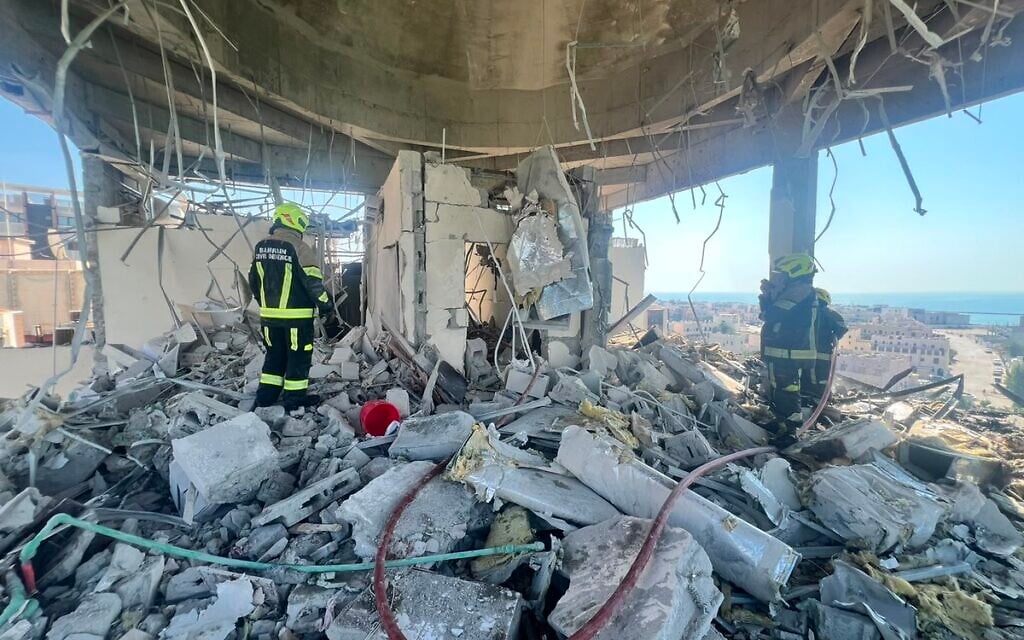
The United Arab Emirates is navigating a precarious path between Israel and Iran as the US-Israeli conflict against Tehran spills into the Gulf. Facing significant Iranian attacks, the UAE has strengthened its military cooperation with Israel, reportedly engaging in both defensive and offensive measures.
This deepening security partnership, however, occurs against a backdrop of heightened political tensions. The UAE, a key player in the US-brokered Abraham Accords that normalized relations with Israel, now finds its position complicated by the need to manage relations with Iran. Experts suggest that Washington's pursuit of a diplomatic solution with Iran, leaving the regime intact, is pushing Gulf states like the UAE back towards accommodating Tehran.
This shift strains Abu Dhabi's relationships with both the US and Israel. While Emirati policy has not yet seen a clear change, a diminished confidence in U.S. military guarantees and a growing acknowledgment of the necessity to coexist with the Iranian regime are significant factors. These, coupled with existing political disagreements with Israel, make it difficult for the UAE to openly embrace Jerusalem.
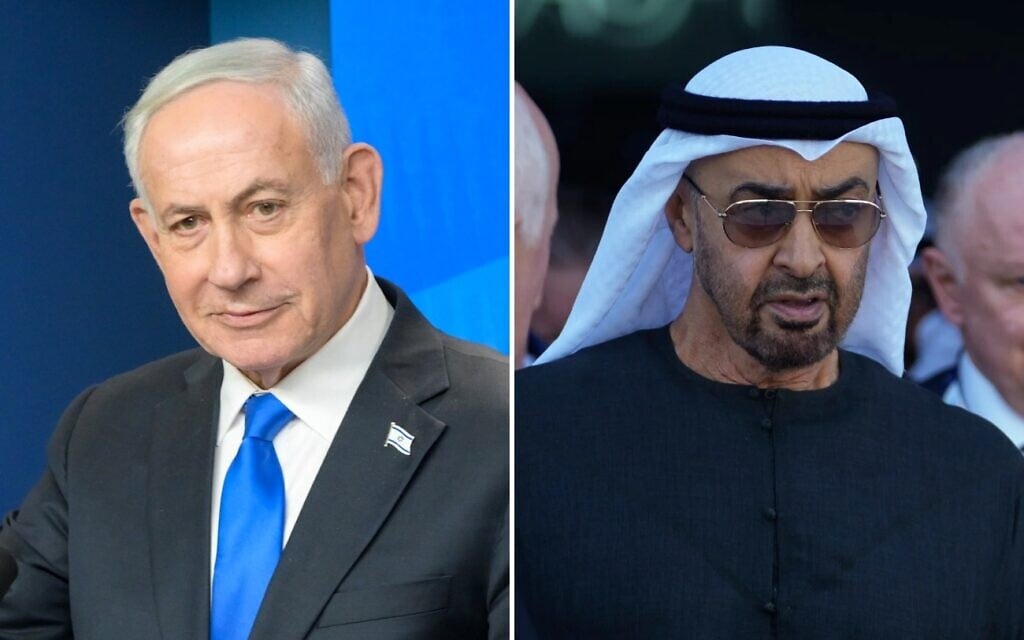
While quiet security cooperation between the UAE and Israel is expected to continue and potentially deepen, a more open warming of ties may be delayed. The timeline and extent of this normalization could be significantly influenced by the outcome of Israel's upcoming election and the nature of the subsequent government. Public diplomacy between Abu Dhabi and Jerusalem had already become more complex following Prime Minister Benjamin Netanyahu's return to power, particularly concerning Israeli actions and rhetoric regarding sensitive sites and Palestinian territories.
DistantNews Editorial
Originally published by Times of Israel. Summarized and contextualized by our editorial team with added local perspective. Read our editorial standards.
More Stories

From Our Blog

What Gets Lost (and Found) When News Is Translated

The Critical Role of Diaspora Media in Global News

What Travellers Should Know About Countries with Restricted Press

A Digital Nomad's Guide to Following Local News

How the Same Story Looks Different in Different Countries
