

Rubio: Iran will not be allowed to charge tolls in Strait of Hormuz under any final deal
Summarized and contextualized by DistantNews.
At a glance
News
Named sources
Ongoing story
- US Secretary of State Marco Rubio stated that Iran will not be permitted to charge tolls in the Strait of Hormuz, a key international waterway.
- Disputes over the strait, nuclear inspections, and missiles have surfaced early in negotiations between Washington and Tehran to end the Middle East war.
- The UN's maritime agency will evacuate over 11,000 sailors stranded by an Iranian blockade, with traffic through the strait showing signs of recovery.
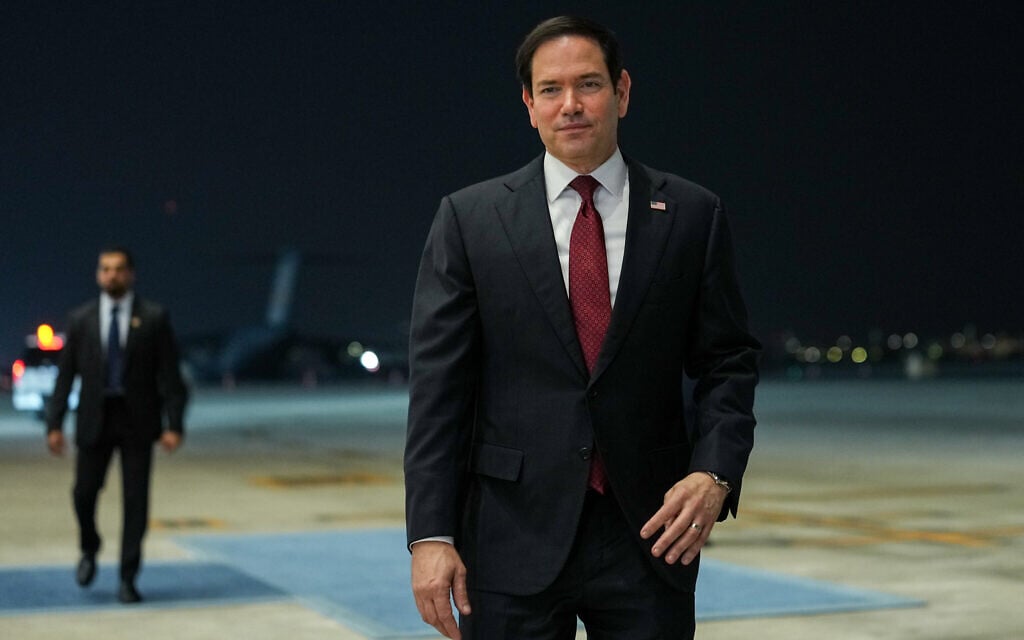
United States Secretary of State Marco Rubio declared Tuesday that Washington will not accept any Iranian tolls or fees on the Strait of Hormuz. This stance highlights early tensions in negotiations aimed at ending the Middle East war, with disputes also centering on nuclear inspections and missiles.
Washington and Tehran have reached a preliminary agreement to cease hostilities and have begun a 60-day negotiation period in Switzerland. Discussions will cover sanctions relief, Iran's nuclear program, and the future of the vital waterway. An earlier Iranian blockade of Hormuz had significantly impacted global oil prices, but maritime traffic has begun to increase since the deal was signed.
It’s an international waterway. No country is allowed to charge tolls or fees on an international waterway.
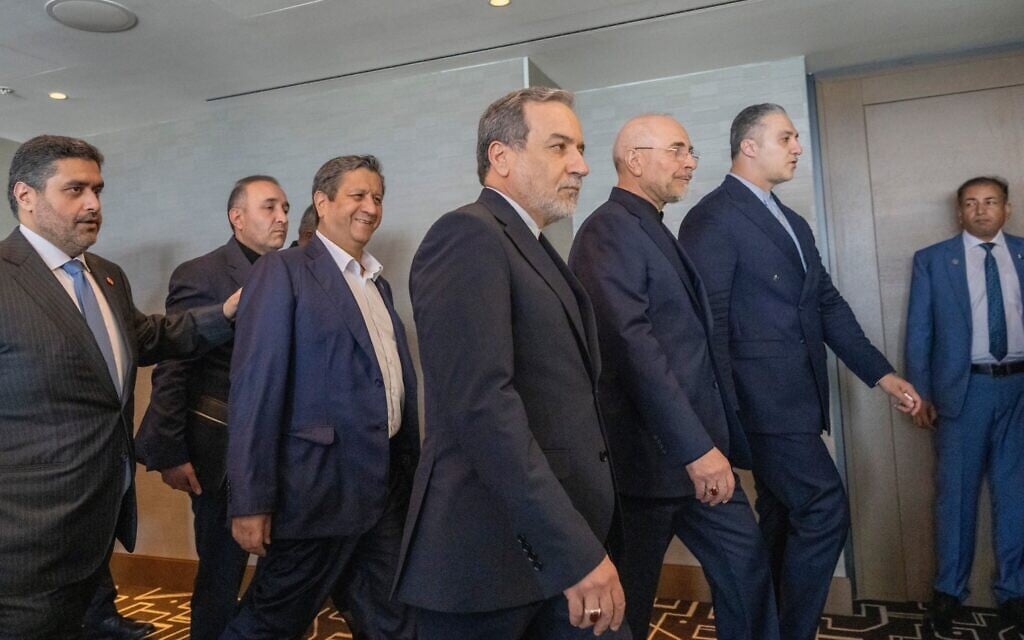
Rubio, speaking in the United Arab Emirates, emphasized that Hormuz is an international waterway where no country can impose tolls. He believes regional nations would support this view. Meanwhile, Iran's top negotiator, Mohammad Bagher Ghalibaf, asserted that Hormuz "will never return" to its pre-war status, despite agreements to maintain open communication lines.
The UN's maritime agency announced it would evacuate over 11,000 sailors stranded by the blockade, coordinating with Iran, Oman, and the United States. Maritime tracking platforms indicate that traffic through the strait reached its highest level since the war began on Monday, though it remains below normal peacetime levels. Oman, in coordination with the International Maritime Organization, is establishing a temporary maritime corridor to ensure freedom of navigation in line with international law.
Hormuz “will never return” to the pre-war status quo
DistantNews Editorial
Originally published by Times of Israel. Summarized and contextualized by our editorial team with added local perspective. Read our editorial standards.
More Stories

From Our Blog

What Gets Lost (and Found) When News Is Translated

The Critical Role of Diaspora Media in Global News

What Travellers Should Know About Countries with Restricted Press

A Digital Nomad's Guide to Following Local News

How the Same Story Looks Different in Different Countries
