


Iran War stalls after six months, exposing US vulnerabilities
Translated from Korean and summarized by DistantNews. Read the original for the full story.
At a glance
News
Named sources
Outcome reported
- The Iran war, launched six months ago by the US and Israel, has failed to achieve its primary goal of eliminating Iran's nuclear capabilities.
- The conflict has led to the blockage of the Strait of Hormuz, significantly impacting global oil trade and exposing US strategic weaknesses.
- Despite initial US claims of neutralizing Iran's missile capabilities, intelligence suggests a substantial portion remains operational, forcing a strategic shift to economic sanctions.
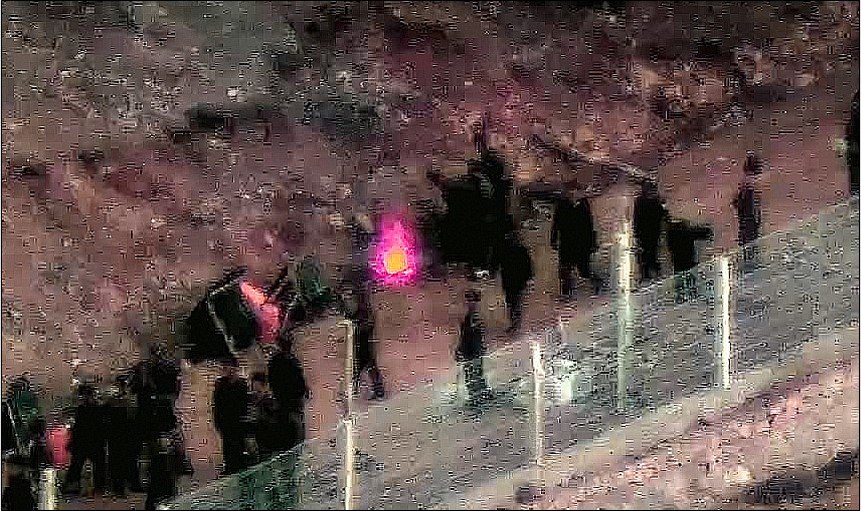
Six months after a US and Israeli preemptive strike, the war in Iran has stalled, failing to achieve its stated objective of eliminating nuclear capabilities and instead resulting in the closure of the Strait of Hormuz. This prolonged conflict has exposed significant vulnerabilities in US strategy and had far-reaching consequences globally.
Initially, US President Donald Trump emphasized a short-term operation to "eliminate Iran's nuclear weapons," predicting a swift victory within four to five weeks. However, the conflict dragged on for over three months. While a memorandum of understanding for a ceasefire was finally signed by both presidents on June 17, negotiations quickly collapsed over the reopening of the Strait of Hormuz. Renewed clashes occurred when oil tankers were attacked in the strait, prompting concentrated US airstrikes on Iranian military facilities in the Persian Gulf. Iran retaliated with attacks on US bases, including the 5th Fleet base in Bahrain, extending the military confrontations into late July and rendering the ceasefire agreement effectively void.
In August, the US shifted its strategy from direct attacks to a blockade, announcing an "economic expulsion operation" that intensified secondary sanctions on Iran's five key financial lifelines. This move has pushed the Iran war into a stalemate. The initial war aims, including the elimination of Iran's nuclear program and regime change, have evaporated. Despite US claims of neutralizing a significant portion of Iran's missile capabilities, intelligence assessments from US think tanks and intelligence agencies indicate that at least 50% of Iran's missile power remains operational. Iran's "mosaic strategy," decentralizing command and dispersing mobile missile launchers across the country, has preserved its capabilities, forcing the US to revert to maritime blockade and economic sanctions.
The war's most immediate and significant consequence has been the closure of the Strait of Hormuz. Since the conflict's inception, Iran has warned and subsequently enforced a blockade, threatening to "burn" any oil tankers attempting passage and vowing to prevent any oil from leaving the region. This has led to a dramatic decrease in vessel traffic, from 100-130 ships daily to just 4-10, and a 47% reduction in crude oil exports from the Persian Gulf. International oil prices surged, exceeding $100 per barrel in May. The reopening of the Strait of Hormuz was a central issue in the subsequent ceasefire negotiations, with the US offering sanctions relief and asset unfreezing in exchange for Iran's cooperation. Iran now seeks to control and manage passage through the vital waterway, a stark reversal from the initial US objectives.
We will burn any oil tanker that attempts to pass through the strait.
About this summary
Originally published by Hankyoreh in Korean. Translated, summarized, and contextualized automatically by DistantNews, with a note on how the source frames the story. Not individually reviewed before publishing. How this works.
More Stories


From Our Blog

What Gets Lost (and Found) When News Is Translated

The Critical Role of Diaspora Media in Global News

What Travellers Should Know About Countries with Restricted Press

A Digital Nomad's Guide to Following Local News

How the Same Story Looks Different in Different Countries
